Finishes, architecture and design
High-end finishes: 2026 trends
A guide to high-end finishes in 2026: premium materials, matte metals, home automation, biophilic design and sustainability. Luxury trends.
By Pedro Carvalho and Fernando Moreno
Quick answer: high-end finishes in 2026 favor natural, premium materials (stone, wood, high-tech porcelain tile), matte and brushed metals (graphite, aged copper, matte black, matte gold), discreet automation, biophilic design and sustainability as status. The palette is neutral and earthy (beige, sand, off-white, warm gray). Today's luxury is about genuine comfort, exclusivity and well-being — not about ostentation.
Finishes are what separate an ordinary property from a high-end one — and what weighs most in the perception of value. Knowing the trends helps anyone who is going to buy, renovate or invest make decisions that add value to their assets. Here is what is in.
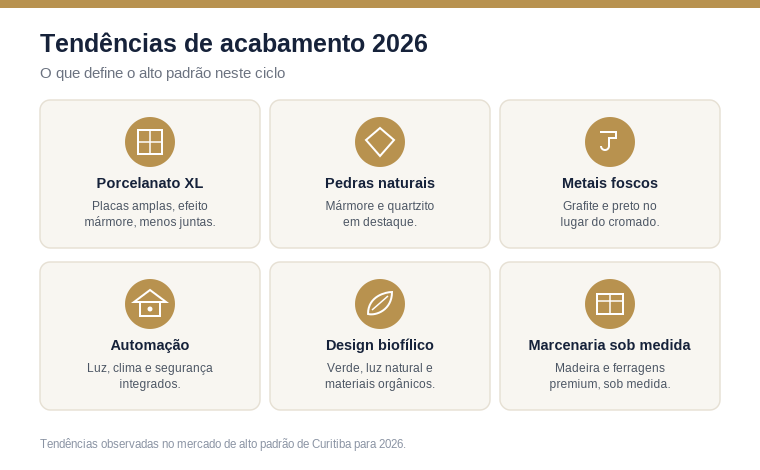
1. Natural and premium materials
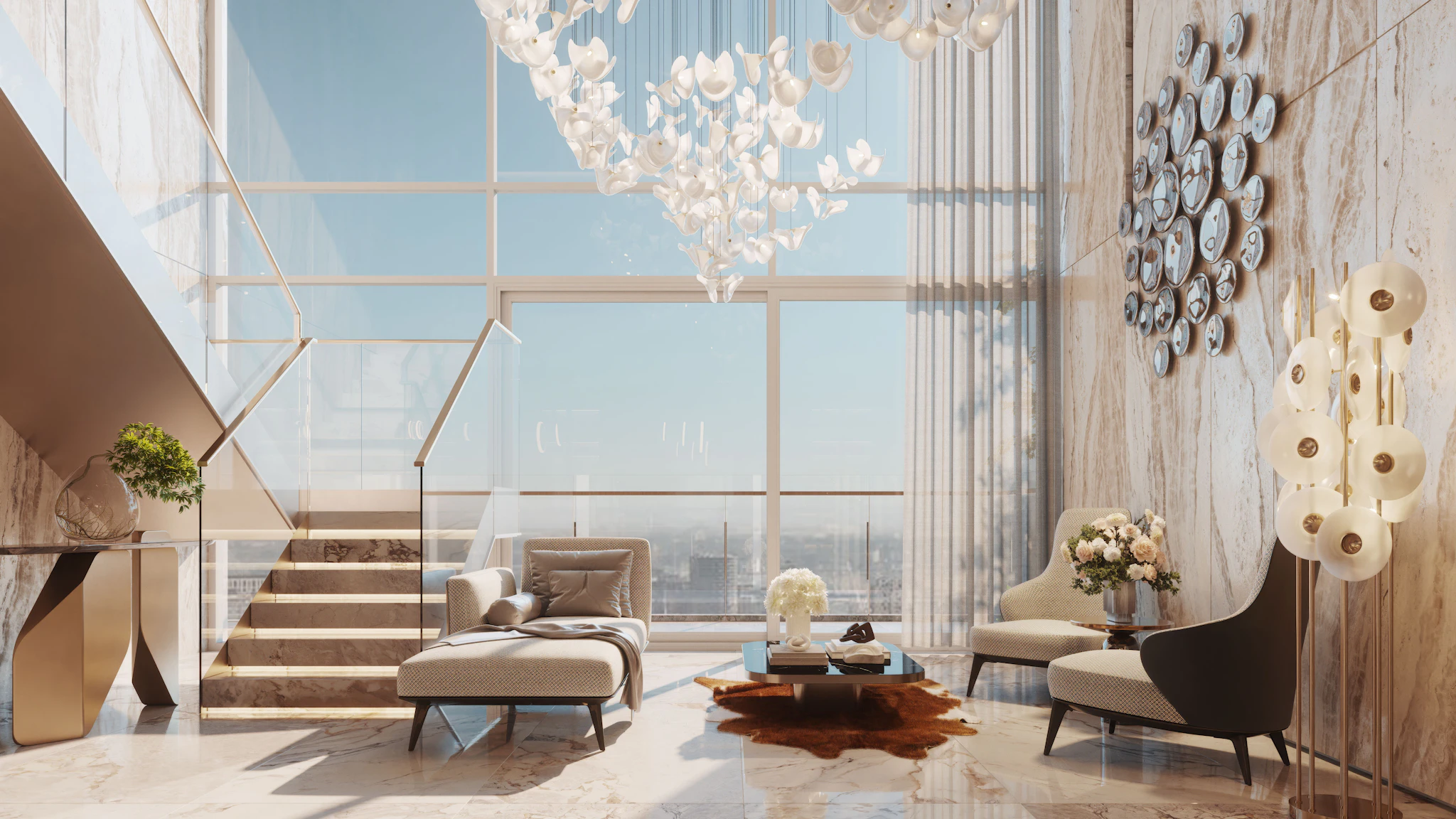
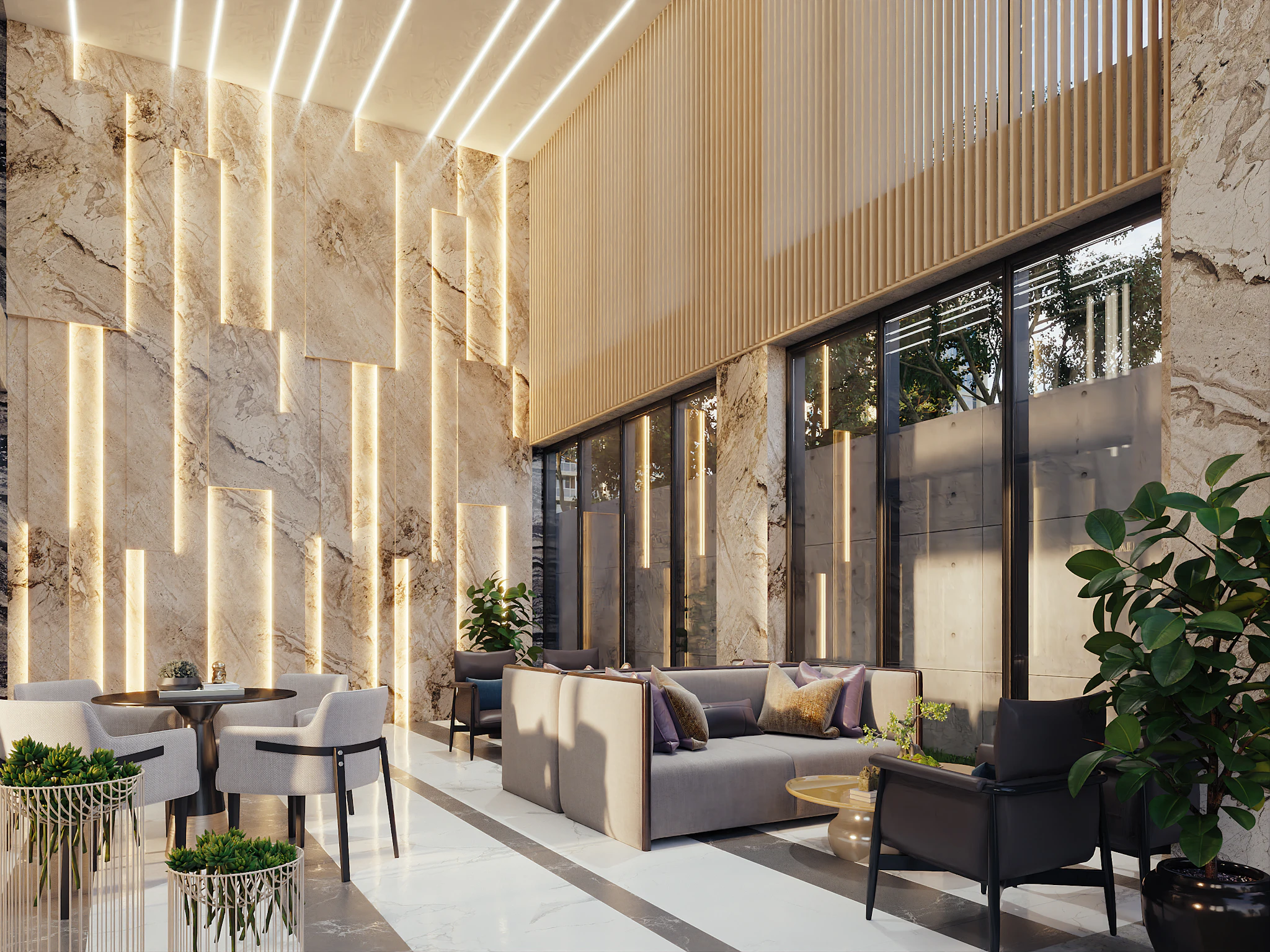
The big trend is the natural look. Materials that evoke stone, burnished cement, wood and aggregates dominate, combining beauty and durability. In 2026, digital printing on porcelain tile reaches realistic textures, with depth and detail that imitate rare marbles and woods — with greater durability and lower maintenance costs.
Where to use it: wall and floor coverings, countertops, feature panels.
2. Matte and brushed metals
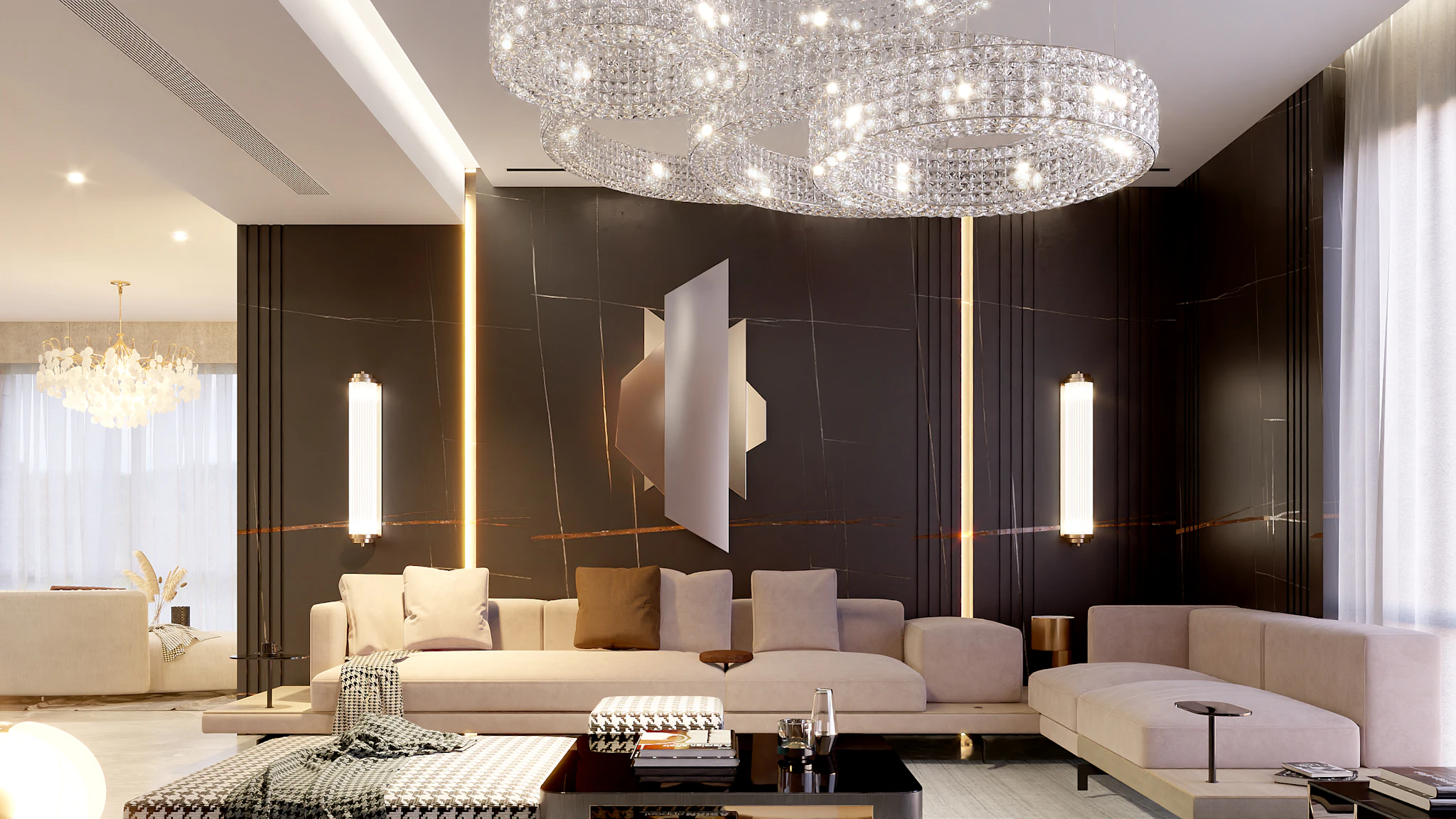
Excessive shine is out. On faucets, showers, handles and light fixtures, matte and brushed finishes are the hallmark of today's luxury: graphite, aged copper, matte gold and matte black. They bring understated sophistication and pair well with the neutral palette.
3. Discreet home automation
The technology of 2026 is sophisticatedly invisible — integrated into the architecture, not on display. The highlights:
- Smart lighting and programmed scenes.
- Automated climate control.
- Glass that changes its transparency.
- Built-in ambient sound.
- Biometric locks and access control.
Automation is no longer a "gadget"; it has become an expected feature in high-end homes.
4. Biophilic design
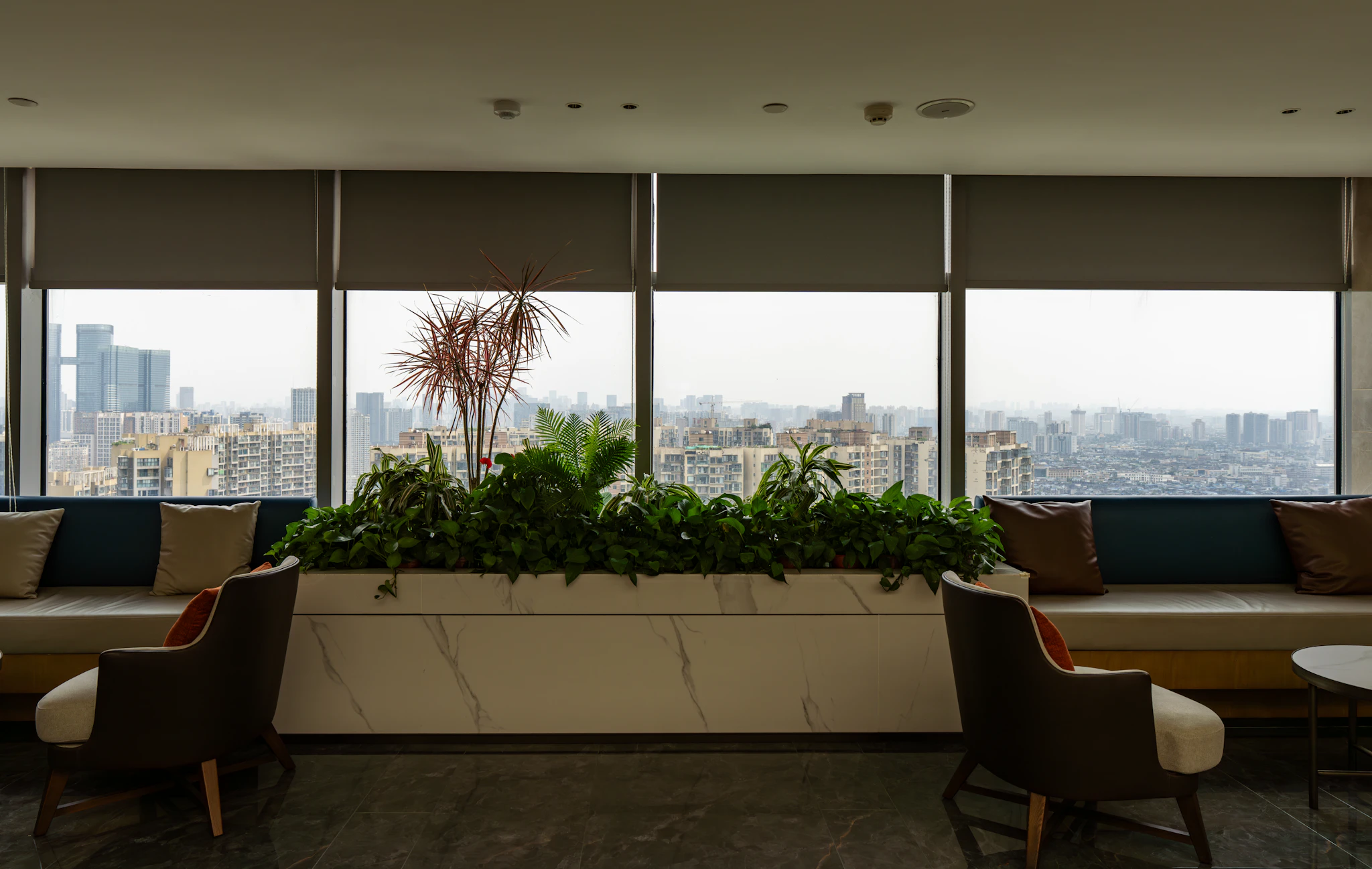
Biophilic design — bringing nature indoors — remains strong: plants, abundant natural light, cross ventilation and organic materials. It promotes well-being and a sensory connection, and it fits with green neighborhoods such as Ecoville.
5. A neutral, earthy color palette
Neutral and earthy tones create elegant, welcoming spaces: beige, sand, off-white, warm gray and shades of brown as a base. On top of it come textures and premium materials that add personality without visual clutter.
6. Sensory design and the handmade
For 2026, the language is more human and artisanal: organic textures, ceramics, leather, wood and handmade pieces. People want a home that reflects memories and emotions — luxury lies in exclusivity and genuine comfort, not in excess.
7. Sustainability as a status symbol
Sustainability has established itself as status in the high-end market: certified materials, renewable energy, water-saving solutions and low-impact construction now weigh on the purchase decision. An efficient property is, today, a more valuable property and a cheaper one to maintain. This also affects appreciation and investment.
Summary table of 2026 trends
| Trend | Examples | Effect |
|---|---|---|
| Natural materials | Stone, wood, realistic porcelain tile | Beauty + durability |
| Matte metals | Graphite, copper, matte black | Understated sophistication |
| Discreet automation | Lighting, climate, biometrics | Comfort and security |
| Biophilia | Plants, natural light | Well-being |
| Earthy palette | Beige, sand, warm gray | Welcoming elegance |
| Artisanal | Ceramics, leather, wood | Exclusivity |
| Sustainability | Certifications, energy, water | Status + savings |
How to use this when buying a property
- Evaluate the delivery finishes of the development — materials, brands, planned automation.
- Choose the timeless over the fad: stone, wood and a neutral palette age well.
- Check the infrastructure for automation (wiring, outlets) even if you install it later.
- Sustainability adds value — water reuse, solar energy and efficiency reduce costs and increase resale value.
Understand what separates high-end from luxury in high-end and luxury property: what it is.
High-end finishes by room
Where to invest in each room:
- Kitchen: quartz or large-format porcelain countertops, custom cabinetry with premium hardware, built-in appliances and an island integrated with the living area.
- Bathrooms and suites: wood-look or marble-look porcelain tile, sculpted basins, matte metals, indirect lighting and built-in niches. The primary suite calls for a walk-in closet and a spacious shower.
- Living room: large-format flooring or fine hardwood, slatted panels, an eco fireplace, automated curtains and built-in ambient sound.
- Outdoor area/terrace: decking, a barbecue grill or gourmet kitchen, a pergola, landscaping and weather-resistant non-slip surfaces.
- Powder room: the place to be bold — a statement stone, a sculpted basin, a mirror and scene lighting.
Finishes that add value vs. finishes that date
| Adds value (timeless) | Tends to date |
|---|---|
| Natural stone and wood | Very specific color trends |
| Neutral, earthy palette | Strong colors on fixed surfaces |
| Matte and brushed metals | Excessive shine/polished gold |
| Automation integrated into the architecture | Visible, improvised gadgets |
| Sober custom cabinetry | Low-quality "trendy" coverings |
The rule: apply the timeless to what is fixed and expensive to replace (floors, countertops, window frames) and save boldness for what is easy to change (decor, textiles, art).
Where to spend more (and where to save) on finishes
Not every square meter deserves the same budget. The high-end rule:
- Invest heavily in what is fixed and expensive to replace: floors, countertops, window frames, structural cabinetry and automation infrastructure (wiring, outlets). Redoing it later is expensive and means construction work.
- Strike a balance on mid-impact items: metals, fixtures, lighting — choose good product lines, but without excesses that date.
- Save on what is easy to change: decor, textiles, wallpaper, art. They are the "seasoning" and can evolve over time.
A good architecture and interior design project is what best protects the investment: it avoids rework, adds resale value and ensures coherence between rooms. In the high-end market, the design project is not a cost — it is what multiplies the return on the materials.
Finishes and resale value
Timeless, quality finishes speed up the sale and support the price. High-end buyers notice (and pay for) natural stone, well-made cabinetry, integrated automation and sustainable solutions. Highly personalized or "trendy" renovations, on the other hand, can put off part of the market — which is why a neutral palette and premium materials are safer bets for anyone thinking about resale. Understand the factors behind appreciation in property appreciation in Curitiba.
Questions people also ask
How much do finishes weigh in the cost of a high-end property?
Finishes account for a significant share of the cost of a luxury property, often more than the bare structure. Natural stone, custom cabinetry, premium metals and automation are the items that raise the value the most. That is why a good architecture and interior design project is what best protects this investment, avoiding rework.
Matte metals or gold metals: what is in?
Matte and brushed metals lead the 2026 trends — graphite, matte black, aged copper and matte gold — replacing excessive shine. They bring understated sophistication and pair well with the current neutral, earthy palette. Polished, very shiny gold tends to date faster.
Is it worth putting in the automation infrastructure during construction?
Yes. Even if you install the equipment later, securing the wiring and outlets during construction avoids tearing things up and costly rework. Automation is no longer a differentiator; it has become an expected feature in high-end homes. Smart lighting, climate control and biometric locks are the features with the highest perceived return.
Which finishes date a property fastest?
Strong colors on fixed surfaces, shiny polished gold, visible gadgets and low-quality "trendy" coverings are the ones that date the most. The rule is to apply the timeless — stone, wood and a neutral palette — to what is fixed and expensive to replace. Boldness is for items that are easy to change, such as decor, textiles and art.
Frequently asked questions
What are the high-end finish trends in 2026?
Natural materials (stone, wood, high-tech porcelain tile), matte and brushed metals, discreet automation, biophilic design, a neutral and earthy palette, handmade pieces and sustainability as status.
Which finish adds the most value to a property?
Timeless, premium finishes — natural stone, wood, quality porcelain tile — combined with automation and sustainable solutions. They preserve value and make resale easier.
Marble or porcelain tile in a high-end home?
Both have their place. Marble brings exclusivity and sophistication; high-tech porcelain tile offers a similar look with greater durability and less maintenance. The choice depends on how the room is used and on the budget.
What is biophilic design?
It is the concept of integrating nature into the built environment — with plants, natural light, ventilation and organic materials — to promote well-being. It is one of the main high-end trends.
Looking for a property with truly high-end finishes? At Antológica, you go over the delivery finishes of each development with one of the partners, beyond what the brochure shows. Talk to Antológica or see how we work.
Download for free the High-End Property Buyer's Guide to Curitiba: neighborhoods, costs, paperwork and a checklist of what to evaluate before buying.
Content produced by Pedro Carvalho and Fernando Moreno, partners at Antológica and specialists in Curitiba's high-end real estate market.