Second homes: coast, mountains and countryside
Luxury short-term rentals on the coast: do they pay off?
Luxury short-term rentals on the coast: how returns, seasonality, costs and management work. See how to calculate the return before investing.
By Pedro Carvalho and Fernando Moreno
Quick answer: luxury short-term rentals on the coast can earn well in high season (premium nightly rates in summer), but the real return depends on average annual occupancy — not on the peaks. Oceanfront and well-located properties have the best demand. Deduct the costs (condominium fee, IPTU, maintenance, the management company's commission) and the low-season vacancy. Well managed, it is what dilutes the cost of a second home and improves the return on your assets.
Anyone who buys a property on the coast almost always thinks: "I can rent it out when I am not using it". The idea is good — but the math needs to be realistic. See how returns on luxury short-term rentals work and how to calculate them.
How short-term rentals work on the coast
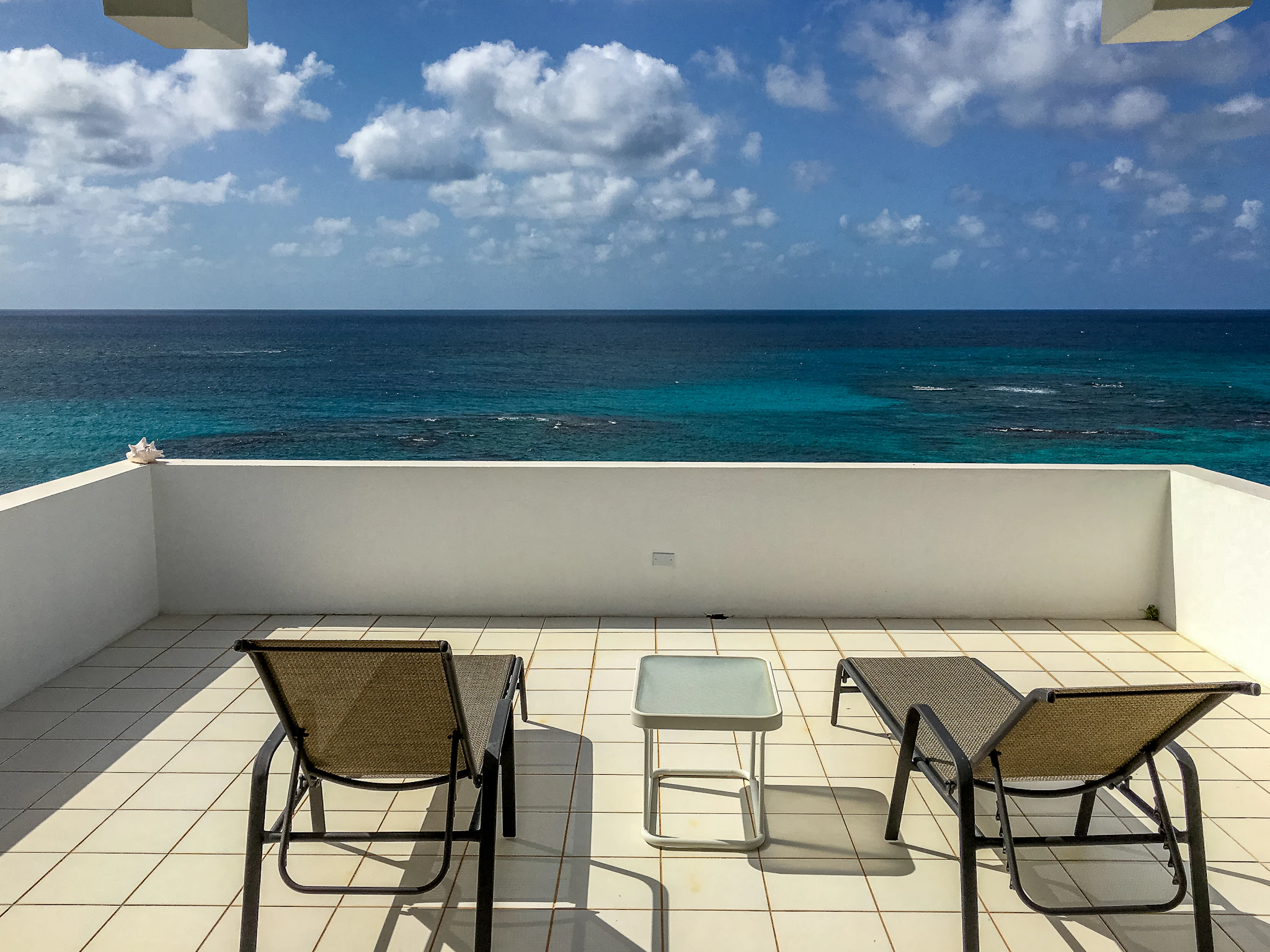
The model is simple: you rent the property by the night or week, mainly in high season (summer, holidays, events). Nightly rates for luxury properties — especially oceanfront ones — reach premium levels in season. The challenge is seasonality: demand plummets outside summer, and annual occupancy stays well below the peaks.
That is why the return is not measured by the January nightly rate, but by the revenue for the whole year divided by the property's value.
The real return: what to consider
To estimate the return, build the math honestly:
| Component | Effect on the return |
|---|---|
| Nightly rates in high season | Main revenue |
| Nightly rates in low season | Lower revenue, with high vacancy |
| Annual occupancy rate | Defines the real revenue |
| Condominium fee and IPTU | Fixed cost |
| Maintenance (salt air, cleaning, replacement) | Recurring cost |
| Management company's commission | ~15% to 30% of revenue (varies) |
| Guest acquisition/listing costs | Variable |
The classic mistake is projecting annual income by multiplying the peak nightly rate by 365 days. The reality is average occupancy — which, on a seasonal coast, is much lower.
Seasonality: the factor that weighs most
On the coast, revenue is concentrated in a few months. A property may bring in most of the year's revenue in December, January and February and have low occupancy for the rest. Strategies to smooth this out:
- Destinations with demand outside summer — cities with a life of their own (such as Balneário Camboriú) suffer less seasonality than summer-only beaches.
- Dynamic pricing — adjusting nightly rates to demand.
- Alternative audiences — events, retreats, remote work in the low season.
See why Balneário Camboriú stands out: its urban infrastructure attracts demand year-round, not only in season.
The right property earns more
Not every property earns the same. Those that perform best in season are:
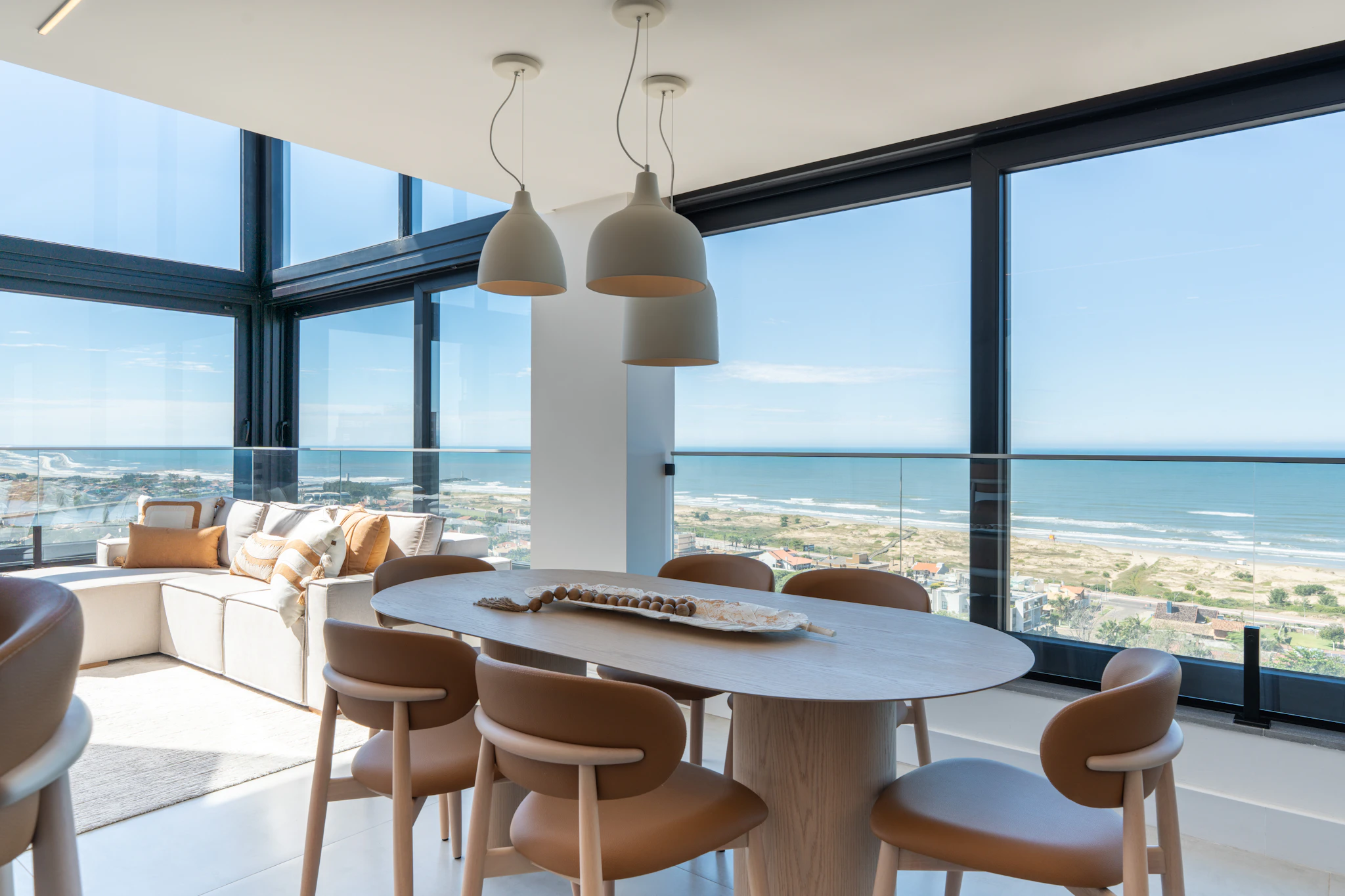
- Oceanfront and ocean views — higher demand and higher nightly rates (see oceanfront apartment).
- Good location — close to the beach, shops and services.
- Amenities and comfort — pool, gourmet area, air conditioning, good furniture.
- Capacity — properties for larger families broaden the audience.
A well-chosen, well-equipped property stands out in listings and sustains occupancy and nightly rates.
Managing from a distance
Managing a short-term rental from a distance takes work: listings, bookings, check-in/out, cleaning, maintenance and guest service. A management company professionalizes all of this in exchange for a commission (usually between 15% and 30% of revenue, depending on the service). For those who live in Curitiba and own a property on the coast, a management company is usually essential — it goes into the return calculation as a cost, but makes the operation viable.
Short-term rentals as part of the investment
Short-term rental income is rarely the only reason to buy: it dilutes the cost of a second home and improves the return on your assets, added to personal use and appreciation. That is the full logic of the second home as an investment and of the guide to beach and country houses for Curitiba residents. The dynamics are similar to those of luxury short-term rentals in Curitiba, with the difference of coastal seasonality.
The tax side
Short-term rentals generate taxable income, and the practical rules (registration, payment) may vary between Paraná and Santa Catarina. In some cases, it is worth structuring the operation through a legal entity. Consult an accountant to organize the taxes and keep everything compliant.
Questions people also ask
How much does a short-term rental management company charge?
The commission usually ranges between 15% and 30% of revenue, depending on the level of service provided. In return, the management company handles listings, bookings, check-in/out, cleaning, maintenance and guest service. For those who live far from the property, this cost makes the operation viable and goes into the return calculation.
What is the annual occupancy rate and why does it matter?
It is the percentage of days actually rented over the year, and it is this rate — not the peak nightly rate — that defines the real revenue. On the coast, demand is concentrated in summer, so average annual occupancy stays well below the peaks. Calculating the return based on average occupancy avoids overestimating it.
How can I reduce the seasonality of a short-term rental?
Some strategies help: choosing destinations with demand outside summer (cities with a life of their own, such as Balneário Camboriú), using dynamic pricing and targeting alternative audiences, such as events, retreats and remote work in the low season. None eliminates seasonality, but all of them soften the drop in revenue outside the peak. The right destination is the factor that weighs most.
Are short-term rentals taxed?
Yes, short-term rentals generate taxable income, and the practical rules for registration and payment may vary between Paraná and Santa Catarina. In some cases, it is worth structuring the operation through a legal entity. Consult an accountant to organize the taxes and keep everything compliant.
Frequently asked questions
Are luxury short-term rentals on the coast profitable?
They can be, especially in high season and with well-located oceanfront properties. But the real return depends on average annual occupancy, not on the peaks. After deducting costs and low-season vacancy, they usually dilute the cost of a second home and improve the return.
How do I calculate the return on a short-term rental?
Estimate annual revenue based on average occupancy (not on the peaks), add up all the nightly rates for the year and subtract the condominium fee, IPTU, maintenance and the management company's commission (15% to 30%). Divide by the property's value to arrive at the real return.
Which property earns the most in season?
Oceanfront properties and those with ocean views, a good location, amenities (pool, gourmet area) and room for larger families. These attributes sustain occupancy and higher nightly rates throughout the season.
How do I manage a short-term rental property from a distance?
The most common path is to hire a management company, which handles listings, bookings, check-in, cleaning and maintenance in exchange for a commission. For those who live in Curitiba and own a property on the coast, it is almost essential.
Looking for a short-term rental property that pays off on the coast? At Antológica you will find high-end properties on the coast and see the short-term rental numbers before buying. Talk to Antológica or see Airbnb management in Guaratuba and on the Paraná coast and Airbnb management in Bombinhas.
Free download: the Buyer's Guide to High-End Property in Curitiba, with neighborhoods, costs, documentation and the checklist of what to evaluate before buying.
Content produced by Pedro Carvalho and Fernando Moreno, partners at Antológica and specialists in the high-end real estate market. Informational content; it does not constitute an investment recommendation.