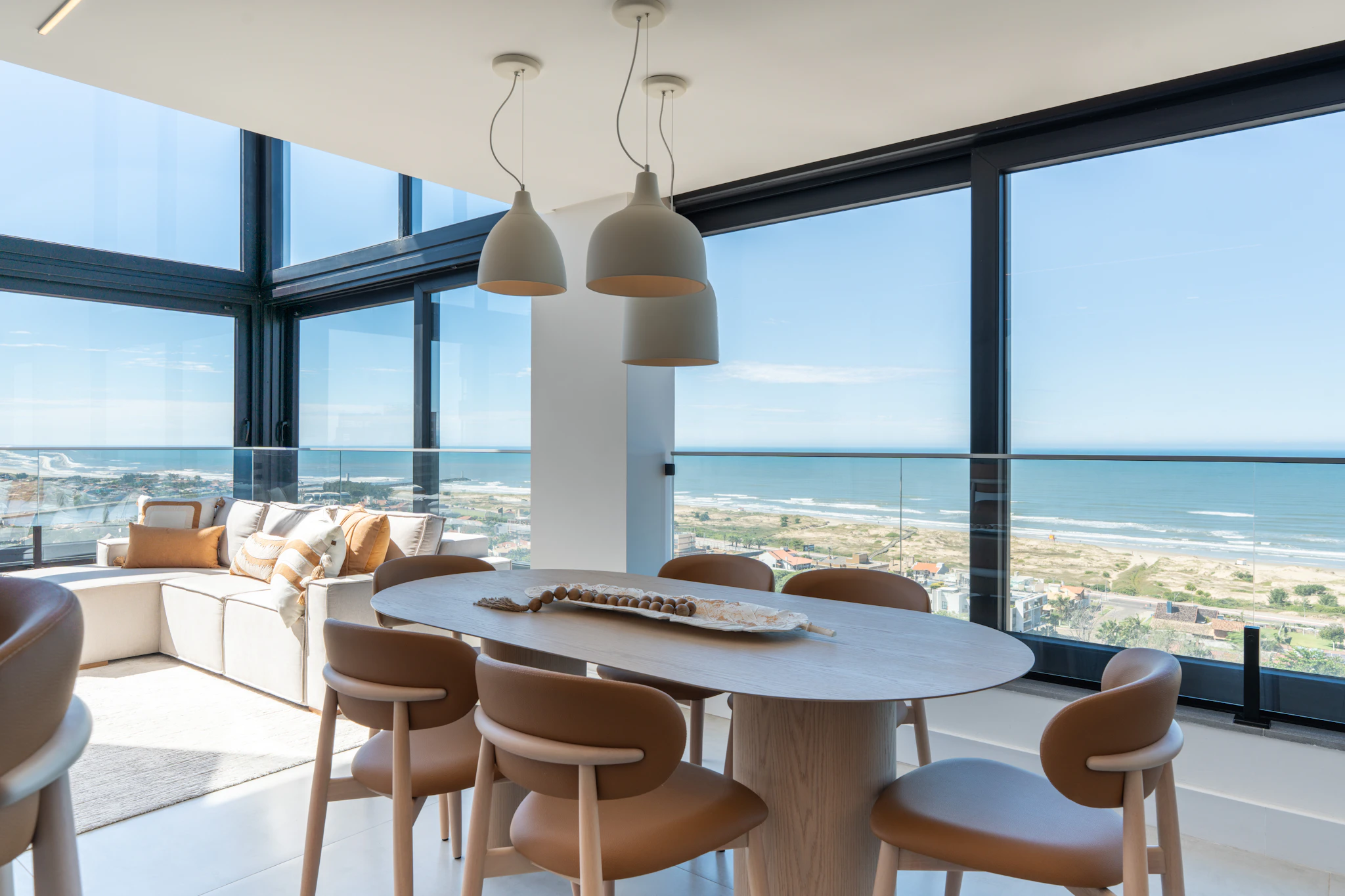
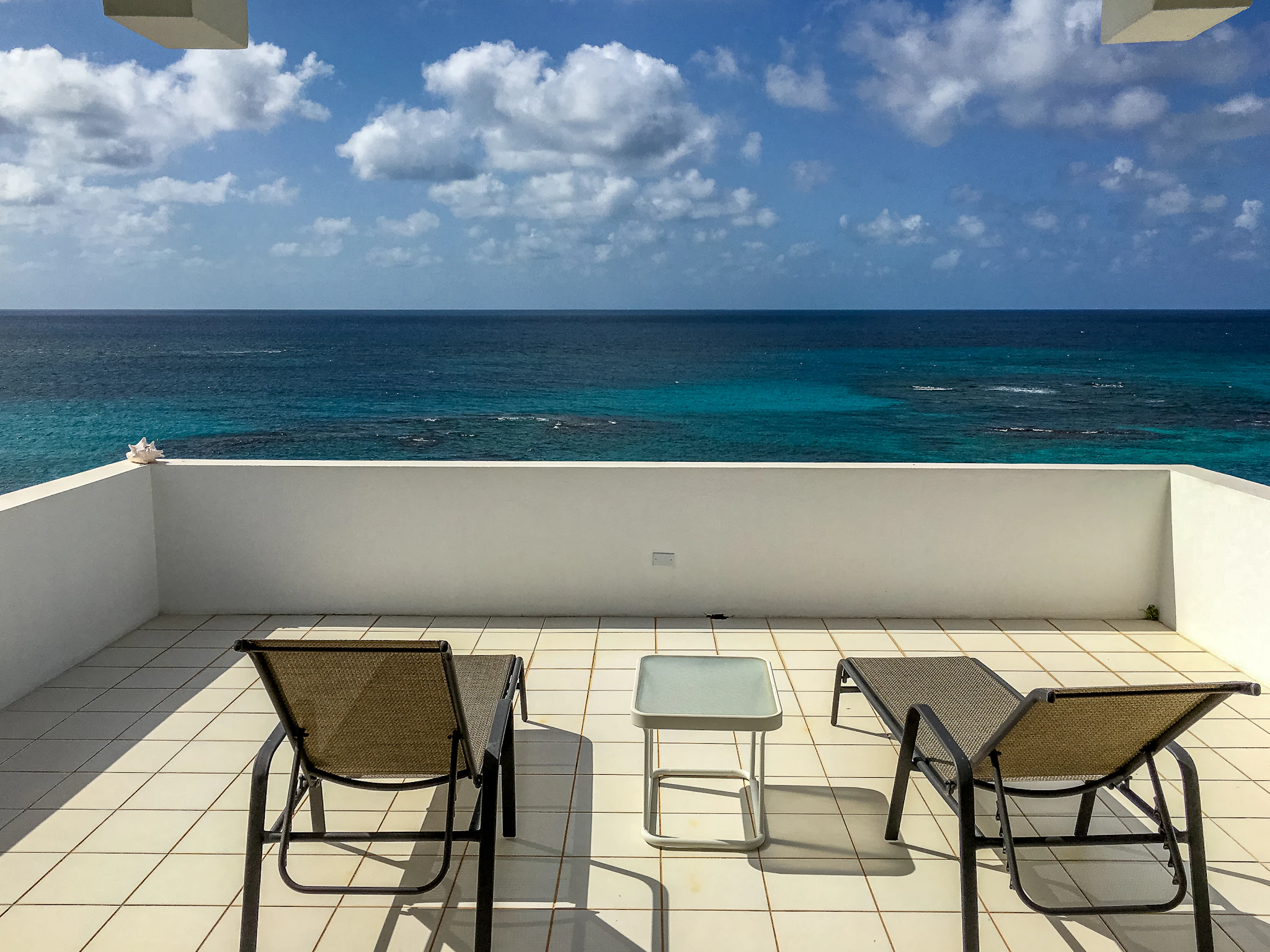
Second homes: coast, mountains and countryside
A second home as an investment: is it worth it?
Is a second home a good investment? See the logic of use, rental income and appreciation, the real costs and how to calculate the return before buying.
By Fernando Moreno

Quick answer: a second home works as an investment when it combines three functions: personal use, short-term rental income and appreciation of the asset. The secret is to choose a liquid, appreciating destination (such as Balneário Camboriú or beachfront property on the coast) and to calculate the average annual occupancy, not just the summer peaks. Ownership costs (condominium fee, IPTU, maintenance, management) go into the calculation — an underused house with no income can weigh on the budget.
"Is buying a beach house an investment or an expense?" The answer depends on how you use the property and how much it earns. Here is how to think about a second home with an investment mindset — and when it really pays off.
The three functions of a second home
Unlike a property bought only for income, a second home plays three roles at the same time:
- Personal use — leisure with the family, weekends and vacations (the "emotional dividend").
- Income — short-term rentals during the periods when you are not using it.
- Wealth — appreciation of the asset and diversification of the portfolio.
It is this combination that sets a second home apart from a purely financial investment — and that makes the math more subjective. For many, personal use alone justifies the purchase; income and appreciation are the bonus.
When it is worth it (and when it is not)
It tends to be worth it when:
- You will really use the property often (proximity helps).
- The destination is liquid and appreciating (beachfront, cities on the rise).
- You combine personal use + short-term rental income to spread the costs.
- There is a medium- to long-term horizon for the appreciation to materialize.
It tends not to be worth it when:
- The house is underused and earns no income (a fixed cost with no return).
- The destination has low liquidity and weak short-term rental demand.
- The ownership costs eat up any potential gain.
The investment math: what goes in
To assess the return, build the full calculation:
| Item | Counts as |
|---|---|
| Short-term rental income (annual) | Revenue |
| Estimated appreciation | Capital gain |
| Personal use | Lodging "savings" |
| Condominium fee, IPTU (municipal property tax), insurance | Cost |
| Maintenance (salt air, pool, garden) | Cost |
| Management/management company | Cost (commission) |
| Vacancy | Reduced revenue |
The most common mistake is projecting income from the summer peaks. Use the average annual occupancy — much lower — so as not to overestimate the return. The gap between summer and the low season can be large: in Bombinhas, by Antológica's calculation with AirROI figures (Aug 2025 to Jul 2026), the average monthly revenue from December to February was 4.6 times that of June, August and September, as the page on short-term rental management in Bombinhas shows.
Appreciation: the long-term engine
Appreciation is what turns a second home into a good investment. Established destinations on the rise — such as Balneário Camboriú, the leader in price-per-m² appreciation in Brazil — tend to preserve and increase value (2025 data; it may vary). Beachfront property is the product with the best liquidity and appreciation on the coast. See luxury real estate in Balneário Camboriú and beachfront apartments: what to assess. The logic is the same as for investing in luxury real estate in Curitiba: a premium location preserves value.
Short-term rental income: the complement
Short-term rentals spread the costs and can generate a good return in high season. But they require management (listings, check-in, cleaning, maintenance) — a management company professionalizes this remotely, in exchange for a commission. Understand the real returns in luxury short-term rentals on the coast.
Beach, countryside or city?
The destination defines the investment profile. The beach has strong summer income and appreciation for beachfront property; the countryside/mountains earn less from short-term rentals, but have low seasonality and year-round use; the city (a second apartment in Curitiba) has more stable income. Compare the options in the guide luxury beach and country houses for Curitiba residents.
Points to watch before buying
- Seasonality — calculate the year's average occupancy, not just the peak.
- Remote management — consider a management company from the start.
- Maintenance costs — salt air, pool and garden weigh on a property that is rarely used.
- Paperwork and taxation — rules vary by municipality and state; rent generates taxable income. Consult an accountant.
- Exit liquidity — choose a property that will be easy to resell.
Questions people also ask
What are the three functions of a second home?
They are personal use (leisure with the family, the "emotional dividend"), short-term rental income (renting it out during the periods when you are not using it) and wealth (appreciation of the asset). It is this combination that sets a second home apart from a purely financial investment. For many buyers, personal use alone justifies the purchase, and income and appreciation are the bonus.
When is a second home not worth it as an investment?
It tends not to be worth it when the house is underused and earns no income, when the destination has low liquidity and weak short-term rental demand, or when ownership costs eat up any potential gain. In these cases, it becomes a fixed cost with no return. That is why real use, the destination's liquidity and cost control are decisive.
Which costs go into the calculation for a second home?
The condominium fee, IPTU, insurance, maintenance (salt air, pool, garden), the management company's commission and the effect of vacancy on revenue. These costs must be deducted from the short-term rental income and the estimated appreciation. Ignoring them is the fastest way to overestimate the return.
Why shouldn't I estimate income from the summer peaks?
Because the most common mistake is projecting annual income by multiplying the peak nightly rate by the whole year. The reality is the average annual occupancy, much lower on the seasonal coast. Using this number avoids overestimating the return and making a decision based on unrealistic expectations.
Frequently asked questions
Is a second home a good investment?
It can be, when it combines personal use, short-term rental income and appreciation. The secret is to choose a liquid, appreciating destination and to calculate the average annual occupancy. An underused house with no income, however, tends to be a cost, not an investment.
How do you calculate the return on a beach house?
Add up the short-term rental income (based on average annual occupancy, not the peaks), the estimated appreciation and the value of personal use; subtract the condominium fee, IPTU, insurance, maintenance and the management company's commission. The result shows whether the property pays for itself.
Which destination appreciates the most as a second home?
Established destinations on the rise tend to appreciate more — Balneário Camboriú leads price-per-m² appreciation in Brazil. Beachfront property is the product with the best liquidity and appreciation on the coast (2025 data; it may vary).
Is the beach or the countryside a better investment?
The beach has strong summer income and appreciation for beachfront property; the countryside earns less from short-term rentals, but has year-round use and low seasonality. For income, the beach usually earns more; for frequent use close to the city, the countryside.
Want to turn a second home into an investment? At Antológica you see the math before deciding: what short-term rentals can earn and what they cost. Talk to Antológica or see our short-term rental management.
Download for free the High-End Home Buyer's Guide to Curitiba: neighborhoods, costs, paperwork and the checklist of what to assess before buying.
Content produced by Fernando Moreno, partner at Antológica and specialist in the high-end real estate market. Informational content; it does not constitute investment advice.