Security and gated communities
Gated community vs. apartment building: which is safer?
Is a gated community safe? A comparison between horizontal gated communities and apartment buildings in security, privacy, amenities and cost in Curitiba's high-end segment.
By Fernando Moreno
Quick answer: both models can be very safe — the difference lies in how they protect you. A horizontal gated community offers a controlled perimeter (walls, gatehouse, patrols), ideal for houses with a yard and maximum privacy. An apartment building (vertical condominium) concentrates security at the front desk and vertical access (airlock entry, biometrics in the elevators), with the advantage of height. The choice depends less on "which is safer" and more on lifestyle: a house with land or a practical, central apartment.
Anyone looking at the high-end segment almost always faces this question: live in a house in a gated community or in a high-end apartment? In terms of security, both deliver — but in different ways. This comparison helps you decide according to your profile. For the full picture of the layers of protection, see the guide security in high-end properties in Curitiba.
The two models, side by side
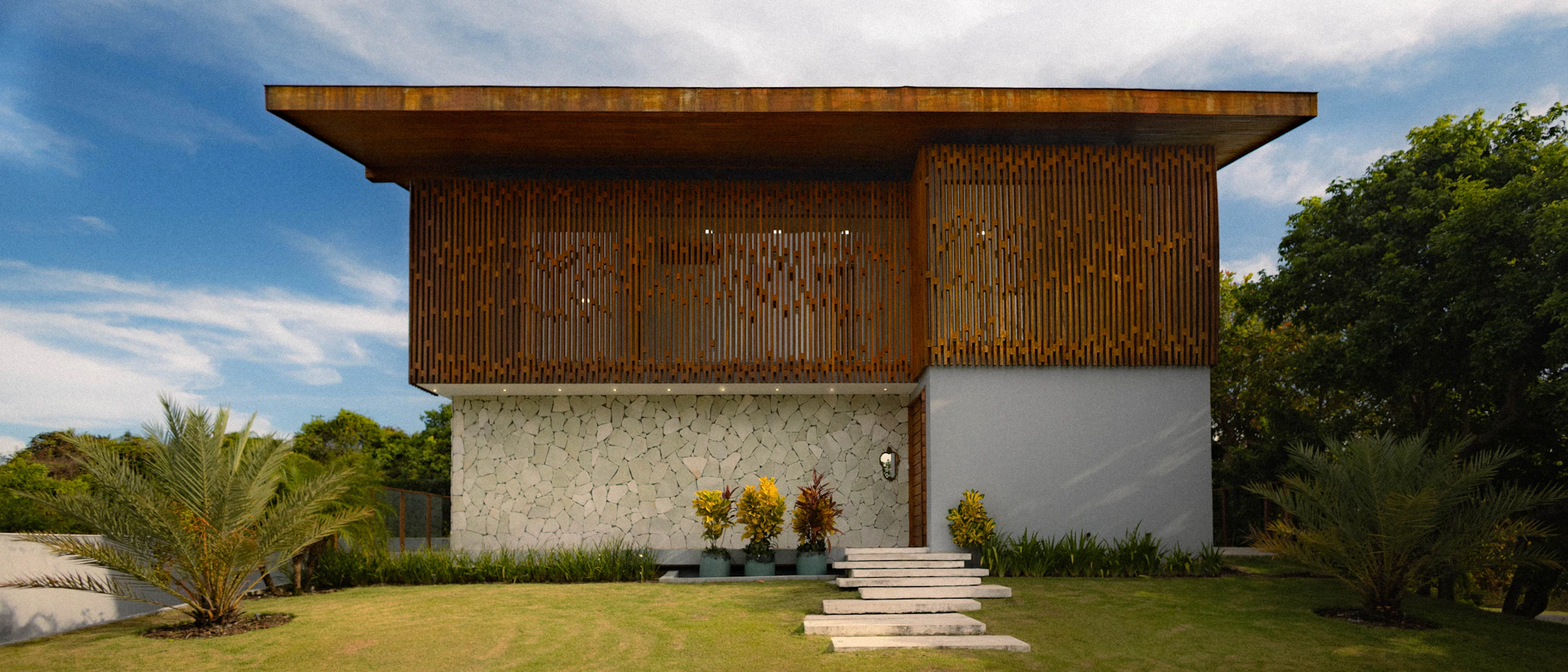
- Horizontal gated community: a walled development with a gatehouse, patrols and private internal streets, where the houses are (ready-built or land plots to build on). Security is perimeter-based — it controls who enters the "closed town."
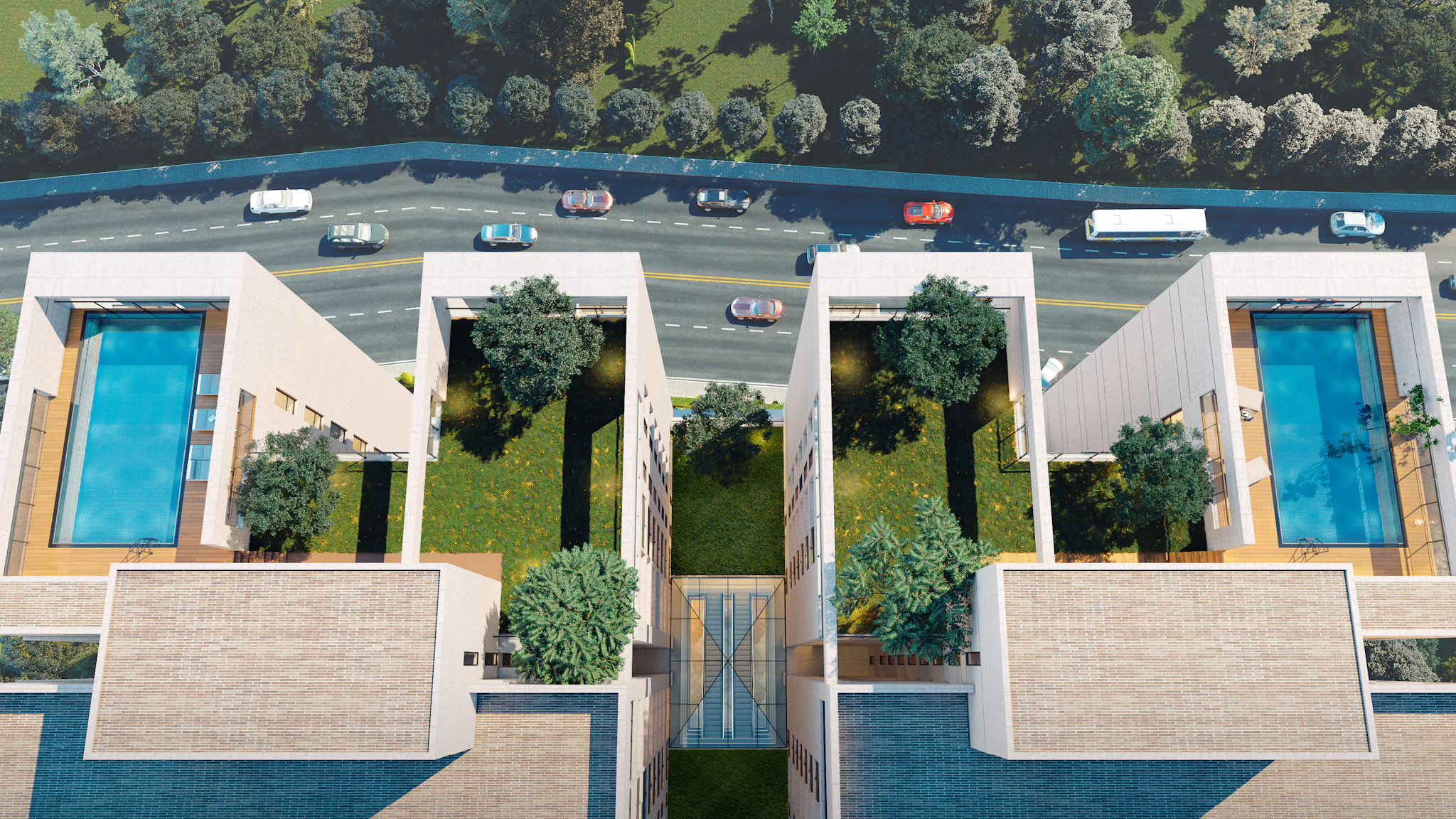
- Vertical condominium (apartment building): one or more buildings with a front desk, access control and common areas. Security is concentrated and vertical — the front desk filters access and height adds a natural barrier.
How security works in each one
In a horizontal gated community, protection starts at the wall and the gatehouse: entry control for residents, visitors, service providers and vehicles, internal patrols and CCTV along the perimeter. Inside, each house has its own security (alarm, sensors). The great advantage is the large, controlled perimeter, which creates a safe environment for walking around, cycling and children playing.
In an apartment building, the 24-hour front desk with an airlock entry (double-door vestibule) is the heart of it: no one enters without identification. Vertical access may require biometrics in the elevator (which stops only at the resident's floor), and height makes unauthorized access harder. Higher apartments add privacy and tranquility.
Comparison: horizontal vs. vertical
| Criterion | Horizontal gated community | Apartment building (vertical) |
|---|---|---|
| Type of security | Perimeter (wall, gatehouse, patrols) | Front desk + vertical access |
| Privacy | High — detached house, private yard | Good, especially on high floors |
| Space | House with land, garden | Apartment, no private land |
| Amenities | Extensive, outdoors | Concentrated in the common areas |
| Location | Usually farther out (RMC) | Generally central, in the upscale neighborhoods |
| Practicality | Requires commuting; house maintenance | More practical day to day |
| Maintenance cost | House + condominium fee | Condominium fee (shared cost of the common areas) |
Who each model is for
- Families with children who want space, a yard and freedom to move around tend to prefer the horizontal gated community.
- Those who value a central location, practicality and views usually choose the apartment building in the upscale neighborhoods.
- Many high-end buyers go through both stages of life — a central apartment in the more urban phase, a house in a gated community when the family grows.
There is no single answer: there is what suits your lifestyle.
In Curitiba: where to find each format
In Curitiba, high-end buildings are concentrated in Batel, Água Verde, Ecoville and Bigorrilho. Horizontal gated communities, on the other hand, are found mostly in the western region (Santa Felicidade and surroundings) and in the Curitiba Metropolitan Region (RMC) — Pinhais (such as Alphaville Graciosa), São José dos Pinhais and Campo Largo. See the overview in horizontal gated communities in Curitiba and the region and high-end houses in Curitiba.
Costs: what weighs in each one
In an apartment building, the condominium fee shares the cost of the front desk, amenities and maintenance of the common areas — the more infrastructure, the higher the fee. In a horizontal community, the condominium fee (perimeter security, streets, amenities) is added to the maintenance of the house itself (garden, pool, repairs). Include these recurring costs in the decision, along with IPTU (municipal property tax) and insurance.
Security is not just about the type of condominium
It is worth remembering: the model matters less than the execution. A building with an attentive front desk and a good airlock entry can be safer than a horizontal community with lax management — and vice versa. Assess the actual infrastructure, the management and the track record, not just the format. The step-by-step is in how to assess a condominium's security before buying.
People also ask
Apartment or house in a gated community: which has more liquidity?
A high-end apartment usually has greater liquidity, as it attracts a broader pool of buyers and is located in central neighborhoods. A house in a horizontal gated community appeals to families seeking space and privacy, but has a more specific audience. In both cases, location and the quality of the development are decisive for resale.
How much more does it cost to live in a horizontal gated community?
In addition to the condominium fee, which covers perimeter security, streets and amenities, a house resident bears the maintenance of the property itself — garden, pool and repairs. In an apartment building, much of this maintenance is already spread across the shared fee. Always add IPTU and insurance when comparing the real cost of each format.
Is a gated community suitable for people without children?
Yes: although it is very popular with families, a gated community also suits couples and professionals who value security, peace and quiet, and amenities without leaving home. The difference lies in how much weight is given to commuting: those who work downtown may find a horizontal community too far out. A high-end apartment building tends to be the more central option.
Is it worth giving up a central location for a horizontal gated community?
It depends on your priority: the horizontal community offers space, a yard and perimeter security, in exchange for longer commutes to work, schools and services. For families with children, this trade-off usually pays off; for those living an urban routine, a central apartment building tends to make more sense. Evaluate your daily commute before deciding.
Frequently asked questions
Is a gated community safer than an apartment?
Both can be very safe. A horizontal gated community offers a controlled perimeter (walls, gatehouse, patrols), ideal for houses; an apartment building concentrates security at the front desk and vertical access, with the barrier of height. The choice depends on the type of property and lifestyle.
What is the difference between a horizontal and a vertical condominium?
The horizontal one is a walled development with houses (or land plots), perimeter security and ample outdoor space. The vertical one is a building with a front desk, common areas and security concentrated at the access point. The horizontal one offers a yard and privacy; the vertical one, a central location and practicality.
Is a gated community worth it for families?
It is usually the preference of families with children, for the space, the yard and the freedom to move around in a protected environment. In exchange, it is generally farther from city centers and adds house maintenance to the costs.
What matters more for security than the type of condominium?
Execution: an attentive front desk, an airlock entry that works, real access control, CCTV, patrols and good management. A well-run model outperforms a poorly managed one. Assess the infrastructure and the track record, not just the format.
Want to compare houses in gated communities and high-end apartments in Curitiba? In Antológica's portfolio you can filter by type, house or apartment, and by neighborhood, en-suite bedrooms and price. Talk to Antológica or see how we work.
Free download: the High-End Property Buyer's Guide to Curitiba, with neighborhoods, costs, paperwork and the checklist of what to evaluate before buying.
Content produced by Fernando Moreno, partner at Antológica and a specialist in Curitiba's high-end real estate market.