Security and gated communities
How to evaluate a condominium's security when buying
A checklist to evaluate a condominium's security before buying: gatehouse, sally port, CCTV, patrols, access control and warning signs.
By Pedro Carvalho
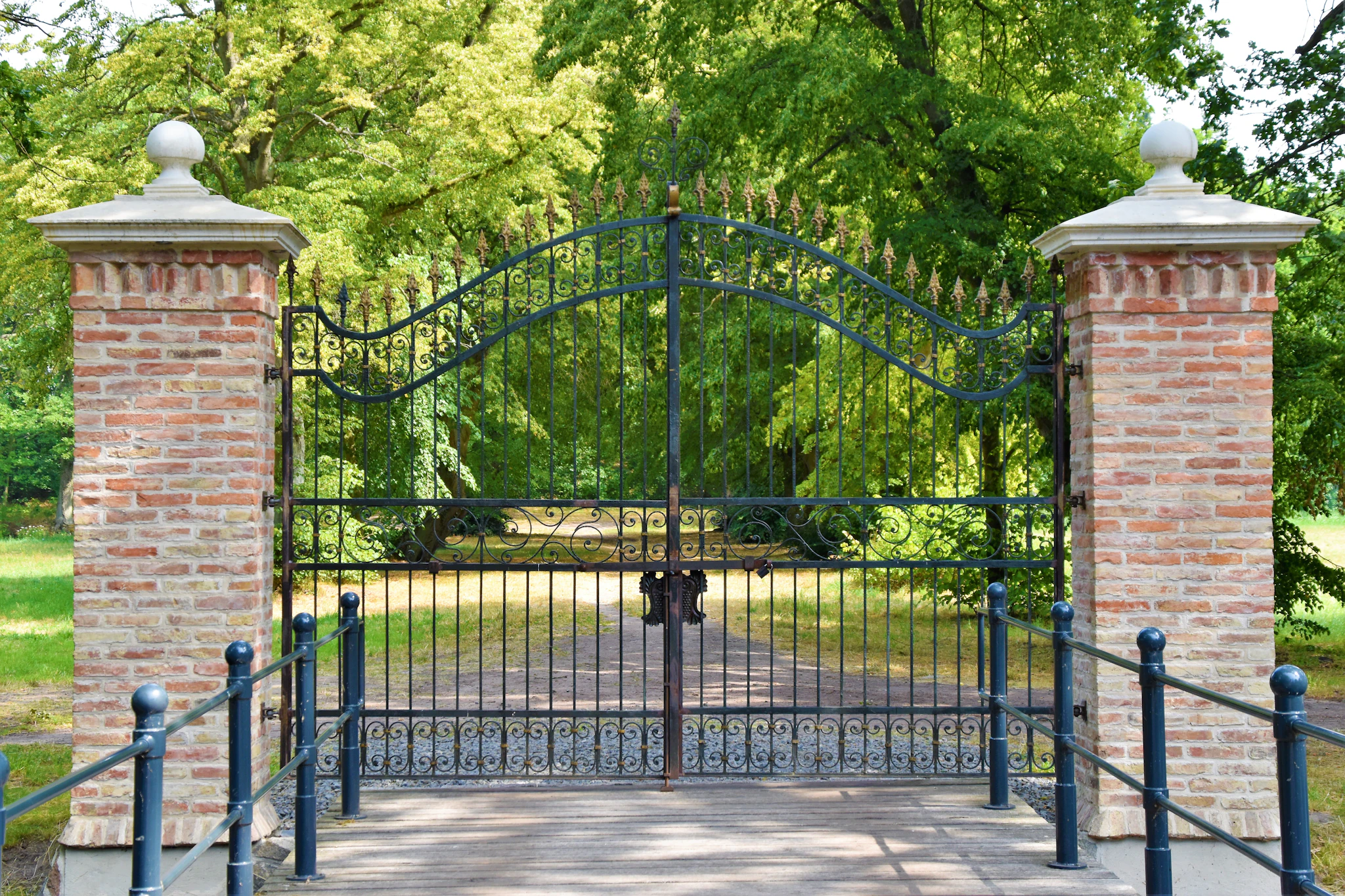
Quick answer: to evaluate a condominium's security before buying, go beyond the brochure: visit at different times, observe whether the gatehouse requires identification and whether the sally port works, check the CCTV coverage and whether there are patrols and 24-hour monitoring, ask the síndico (the condominium manager) or the management company about incidents and management, read the minutes and the internal rules, and evaluate the unit's infrastructure for automation. Good security is the kind that works in practice, not the kind that is in the ad.
Buying a high-end property is, to a large extent, buying security and peace of mind. But brochures promise technology that is not always operated as it should be. This checklist helps you evaluate the real security of a condominium, complementing the guide security in high-end properties in Curitiba.
1. Visit at different times
Security changes with the day and the hour. Visit the condominium:
- By day and at night — the lighting and nighttime control reveal a lot.
- On a weekday and on the weekend — the operation and the movement change.
- At peak times for deliveries/service providers — that is when control is tested the most.
A single visit at noon on a Tuesday does not show the reality. See the condominium "in operation" in different scenarios.
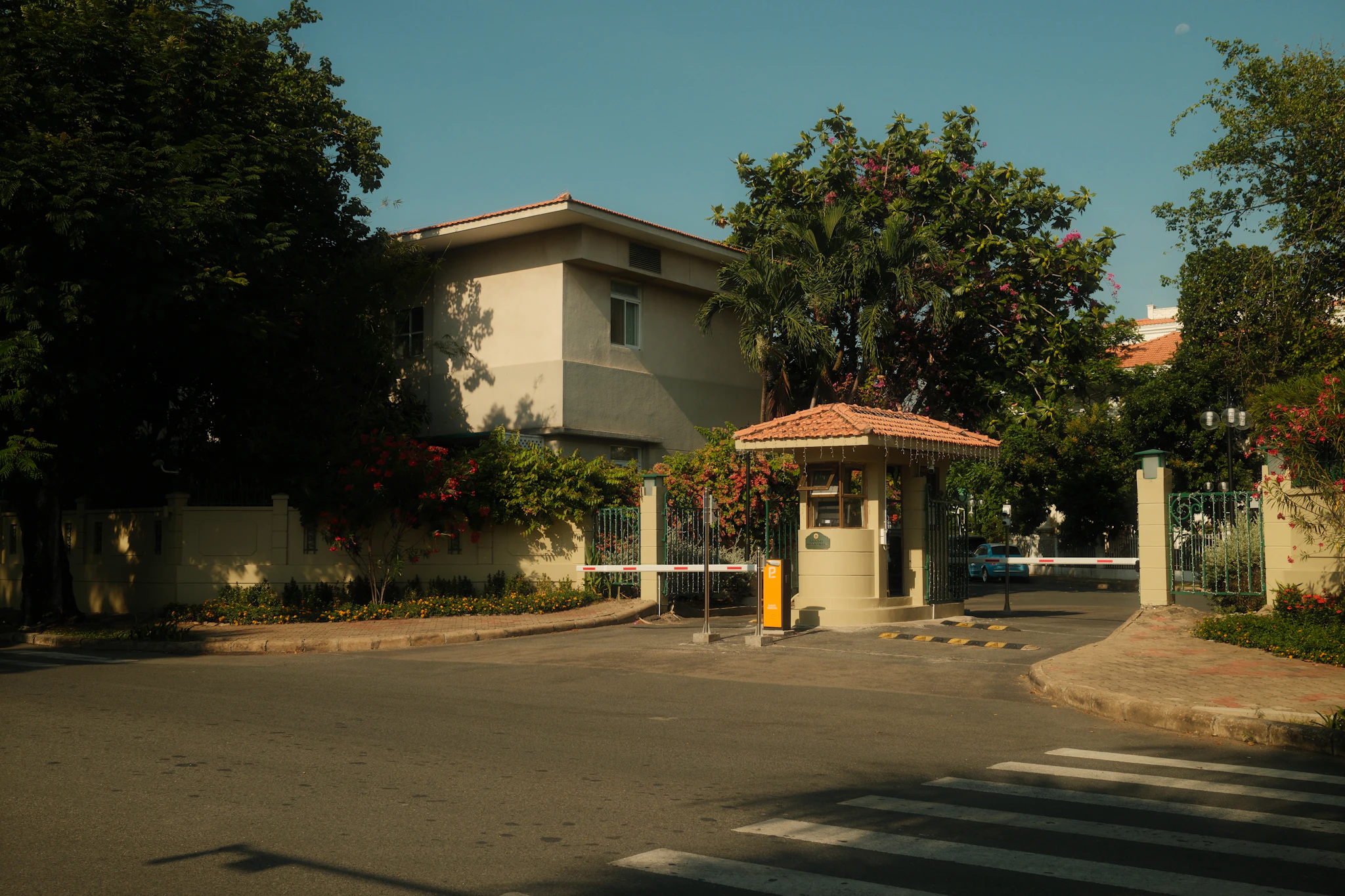
2. Observe the gatehouse and the sally port
The entrance is the critical point. In practice, observe:
- Did the gatehouse ask for your identification? (Even if you "look like" a resident.)
- Is there a sally port (double-gate entry) for pedestrians and vehicles, and is it used — or left open for convenience?
- Is the guard booth protected/armored, and does the team seem alert and trained?
- What kind of gatehouse is it — staffed in person 24 hours, remote, hybrid?
Details in armored gatehouse and access control. A gatehouse that lets people in without asking is a warning sign, however beautiful it may be.
3. Check the CCTV and the monitoring
Ask and observe:
- Do the cameras cover the perimeter, entrances and common areas?
- Is there recording (ideally in the cloud), and for how long is it kept?
- Is there a 24-hour monitoring center following the images, or do the cameras only "record for later"?
- Are there smart CCTV features (analytics, license plate reading)?
A camera that no one monitors has limited value. See what to expect in security technology in luxury condominiums.
4. Evaluate patrols and access control
- Are there scheduled, logged internal patrols?
- How do visitors, service providers and delivery workers get in — is there pre-registration, logging, time windows?
- Do delivery workers circulate in the internal areas, or is there a procedure (gatehouse, lockers, delivery room)?
- Is vehicle control effective (tag, license plate reading)?
Strict, well-organized access control is worth more than any single piece of equipment.
5. Talk to the síndico, the management company and residents
People tell you what the brochure does not:
- Incident history — have there been incidents? How were they handled?
- Management and financial health — a poorly managed condominium cuts security to save money.
- Security team — an outsourced firm with a good reputation? Trained? Turnover?
- Residents' perception — ask the people who live there whether they feel safe.
Management is what keeps security working over time.
6. Read the condominium's documents
Before closing, ask for and read:
- Bylaws (convenção) and internal rules — rules on access, visitors, renovations, coexistence.
- Minutes of the latest general meetings — they reveal problems, conflicts and investments in security.
- Financial statements — they show whether there are resources to maintain the structure.
These papers tell the real story of the condominium.
7. Evaluate the unit and the infrastructure for automation
Security ends at your door:
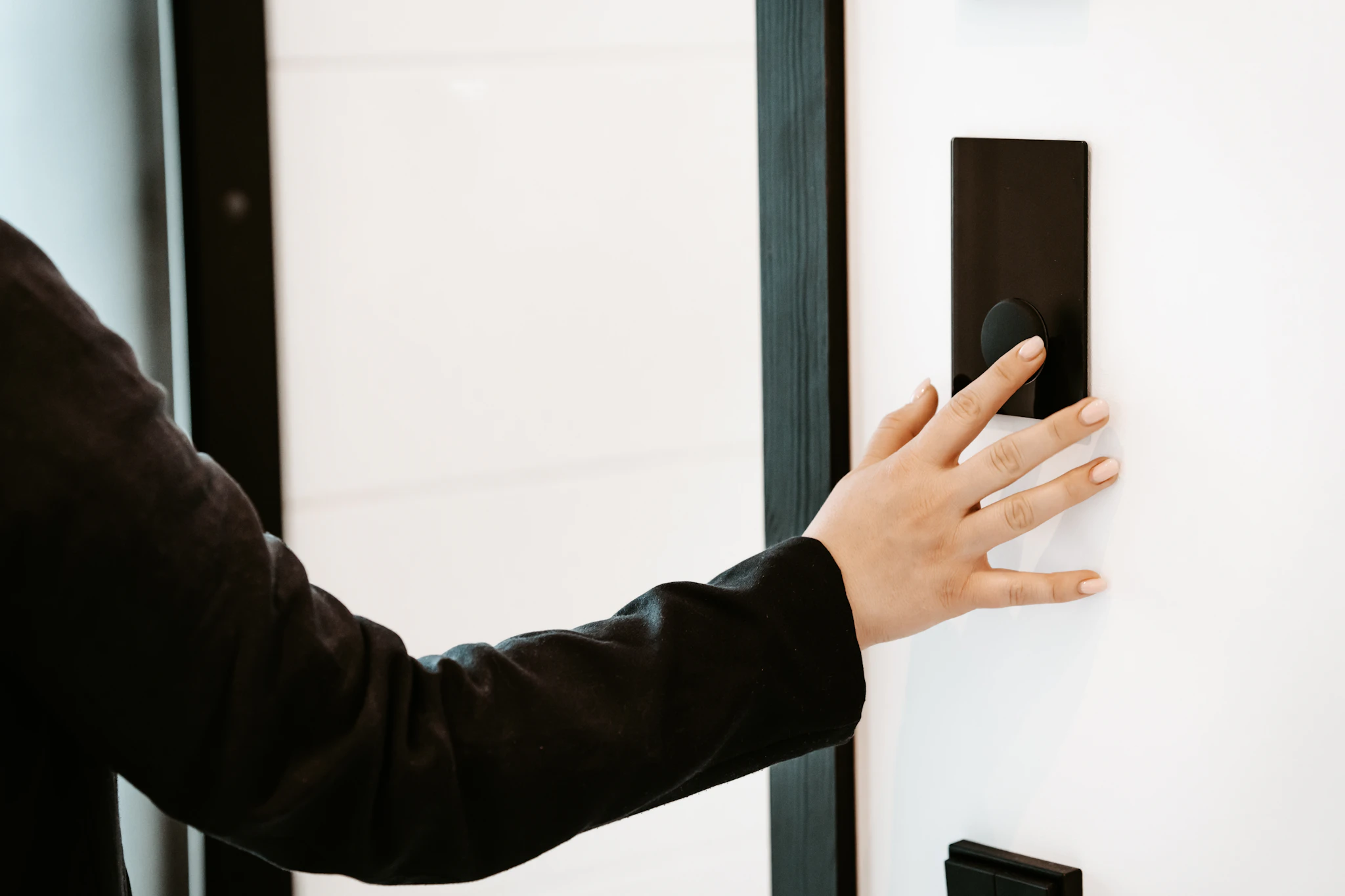
- Can the unit accommodate a biometric lock, alarm and sensors? See biometric locks.
- Is there infrastructure (outlets, cabling) for CCTV and automation?
- In an apartment: how does vertical access work (biometrics in the elevator, per-floor control)?
- In a house: is the unit's perimeter (walls, fence) adequate?
Warning signs
Be suspicious when: the gatehouse lets people in without identifying them, the sally port is left open, the cameras are only recording without monitoring, control of service providers is lax, there is a history of poorly resolved incidents or the management is disorganized. Expensive technology does not make up for careless operation.
Questions people also ask
What should you look for on your first visit to the condominium?
Notice whether the gatehouse requires identification even from people who look like residents, whether the sally port is actually used and whether there are cameras at strategic points and adequate lighting at night. These practical signs reveal more about security than the sales brochure. Visiting at different times, including at night, shows the real operation.
Does a safe neighborhood guarantee a safe condominium?
Not directly. Being in one of Curitiba's safest neighborhoods helps, but actual protection depends on the operation of the condominium itself — gatehouse, sally port, patrols and management. There are great addresses with careless operation, and the opposite also happens. Evaluate the neighborhood and the condominium separately.
Is it worth hiring a specialist to evaluate security?
In a high-value purchase, it usually pays off. An experienced broker or a security consultant identifies flaws that go unnoticed by a layperson and helps read minutes, financial statements and the physical structure with a technical eye. The cost is small compared with the value of the property and the risk of a poor choice.
Can I improve my unit's security after buying?
Yes. Regardless of the shared structure, you can reinforce the door with a biometric lock, install an alarm and sensors, plan for CCTV and automation and take care of the house's perimeter. Security ends at your door — the unit's protection complements that of the condominium. Check beforehand whether there is infrastructure (outlets and cabling) for these systems.
Frequently asked questions
How do you know if a condominium is really safe?
Evaluate the operation in practice: visit at different times, see whether the gatehouse requires identification and whether the sally port is used, check the CCTV coverage and monitoring, confirm patrols and access control, and talk to the síndico, the management company and residents about incidents and management.
What should you ask the síndico about security?
Ask about the incident history and how incidents were handled, the security team's company and training, whether there are patrols and 24-hour monitoring, the procedures for visitors and deliveries, and the condominium's financial health to maintain the structure.
Which documents should you review to evaluate security?
The bylaws (convenção) and internal rules (rules on access and coexistence), the minutes of the latest general meetings (which reveal problems and investments) and the financial statements (which show whether there are resources to maintain security). They tell the reality behind the brochure.
Are cameras enough to guarantee security?
No. Cameras without monitoring only record what has already happened. Real security comes from the sum of an alert gatehouse, a sally port in use, strict access control, patrols, 24-hour monitoring and good management — in addition to the protection of the unit itself.
Buying a high-end property in Curitiba and want to evaluate its security with rigor? At Antológica, whatever the development's listing does not answer about the gatehouse, cameras and patrols, you can ask one of the partners. Talk to Antológica or see how we work.
Free download: the Curitiba High-End Property Buyer's Guide, covering neighborhoods, costs, documentation and the checklist of what to evaluate before buying.
Content produced by Pedro Carvalho, partner at Antológica and a specialist in Curitiba's high-end real estate market.