Security and gated communities
Armored gatehouse and access control: how it works
What an armored gatehouse is and how access control works in luxury condominiums: security airlock, armoring, remote gatehouse and visitor management.
By Fernando Moreno
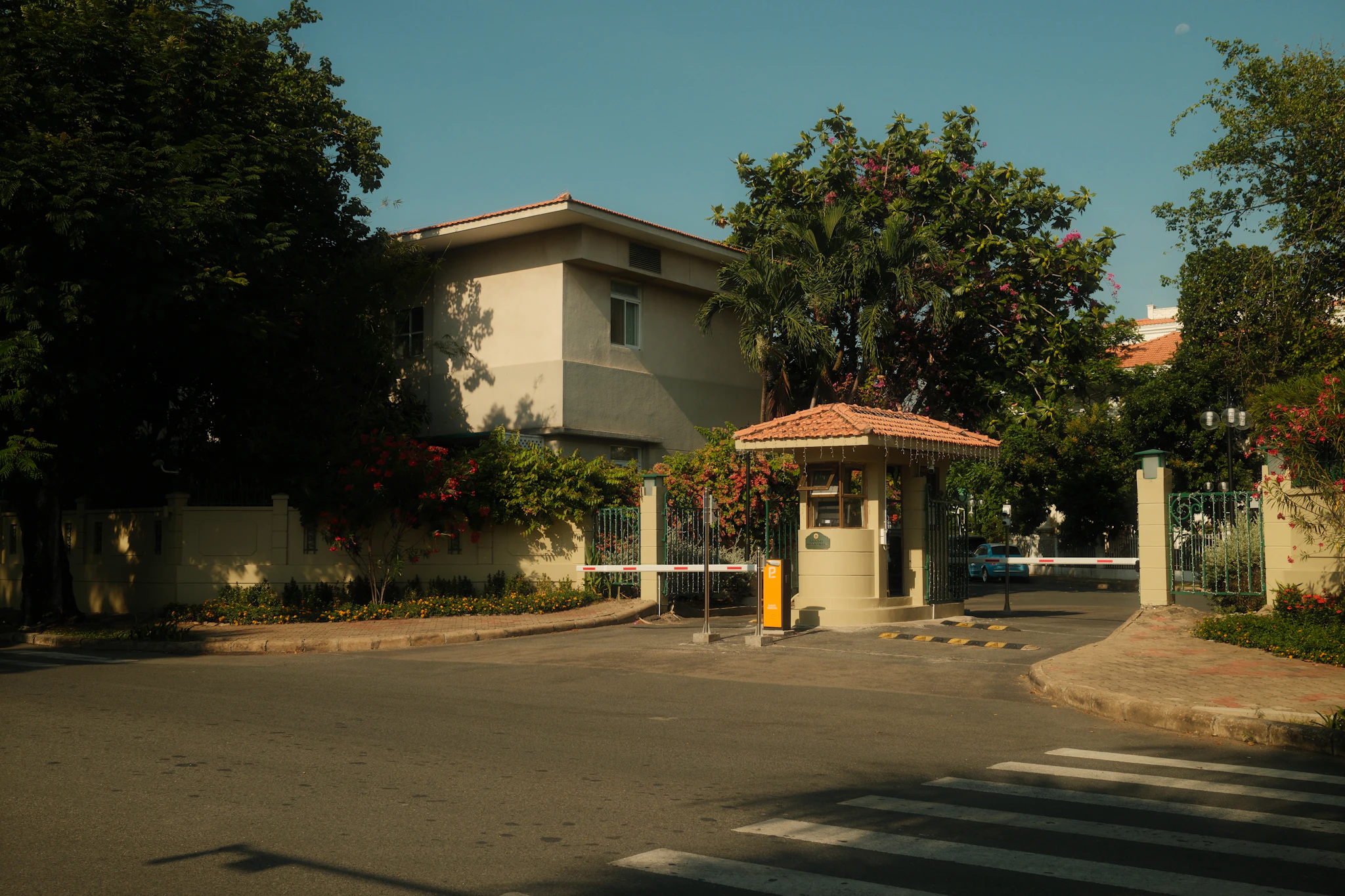
Quick answer: an armored gatehouse is a guardhouse protected by resistant materials (armored glass and structure) that shield the doorman and the condominium's most critical point — the entrance. It works together with the security airlock (mantrap), a system of two barriers in sequence for pedestrians and vehicles, and with access control, which screens residents, visitors, service providers and deliveries. Together, they prevent forced entry, and they are among the features that most raise the security of a high-end development.
The entrance is where a condominium is most vulnerable — and that is why it receives the most technological attention. Understanding how an armored gatehouse and access control work helps you assess a property's real security. This article details each piece, as part of the guide security in high-end properties in Curitiba.
What an armored gatehouse is
An armored gatehouse is a guardhouse reinforced with resistant glass and structure (matching the level of protection contracted), which protect the doorman and the control equipment. The logic is simple: since the gatehouse controls the opening of the entrances, protecting the operator prevents an approach to the guardhouse from compromising the entire system. In luxury developments, this is complemented by control over who approaches and direct communication with the monitoring center.
The airlock (mantrap): the heart of access control
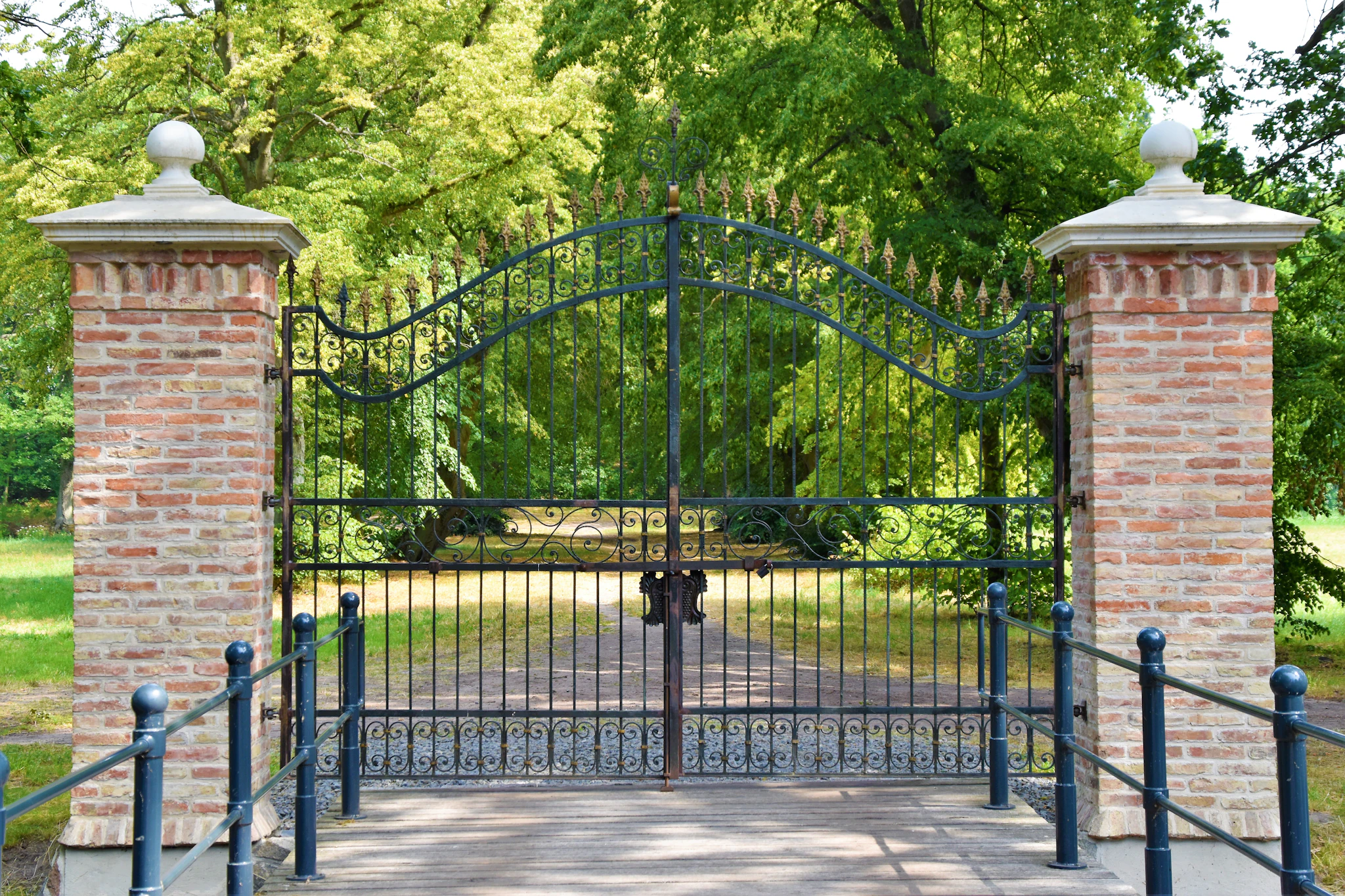
The airlock — also called a mantrap or cage — is the mechanism of two barriers in sequence: the second door/gate only opens after the first one closes. It exists for pedestrians and for vehicles:
- Pedestrian airlock: two controlled doors, with identification between them.
- Vehicle airlock (mantrap): two barrier arms/gates, preventing an unauthorized car from entering "tailgating" an authorized one.
It is the feature that neutralizes the classic entrance break-in scheme — and a game changer in security. It is part of the set of condominium security technology.
On-site, remote and hybrid gatehouses
There are different operating models:
| Model | How it works | Note |
|---|---|---|
| On-site 24-hour | Doorman on site, around the clock | The traditional high-end standard |
| Remote (virtual) | Access operated from a distance by a central station, with cameras and intercom | Lowers costs; depends on good technology |
| Hybrid | Combines on-site presence at critical hours with remote operation at other times | A balance between cost and presence |
In the high-end segment, the on-site 24-hour gatehouse is still the benchmark, often reinforced by remote resources. Remote gatehouses are growing, but they require robust infrastructure and well-defined protocols to maintain the level of security.
Access control: one rule for each profile
Access control defines how each type of person enters:
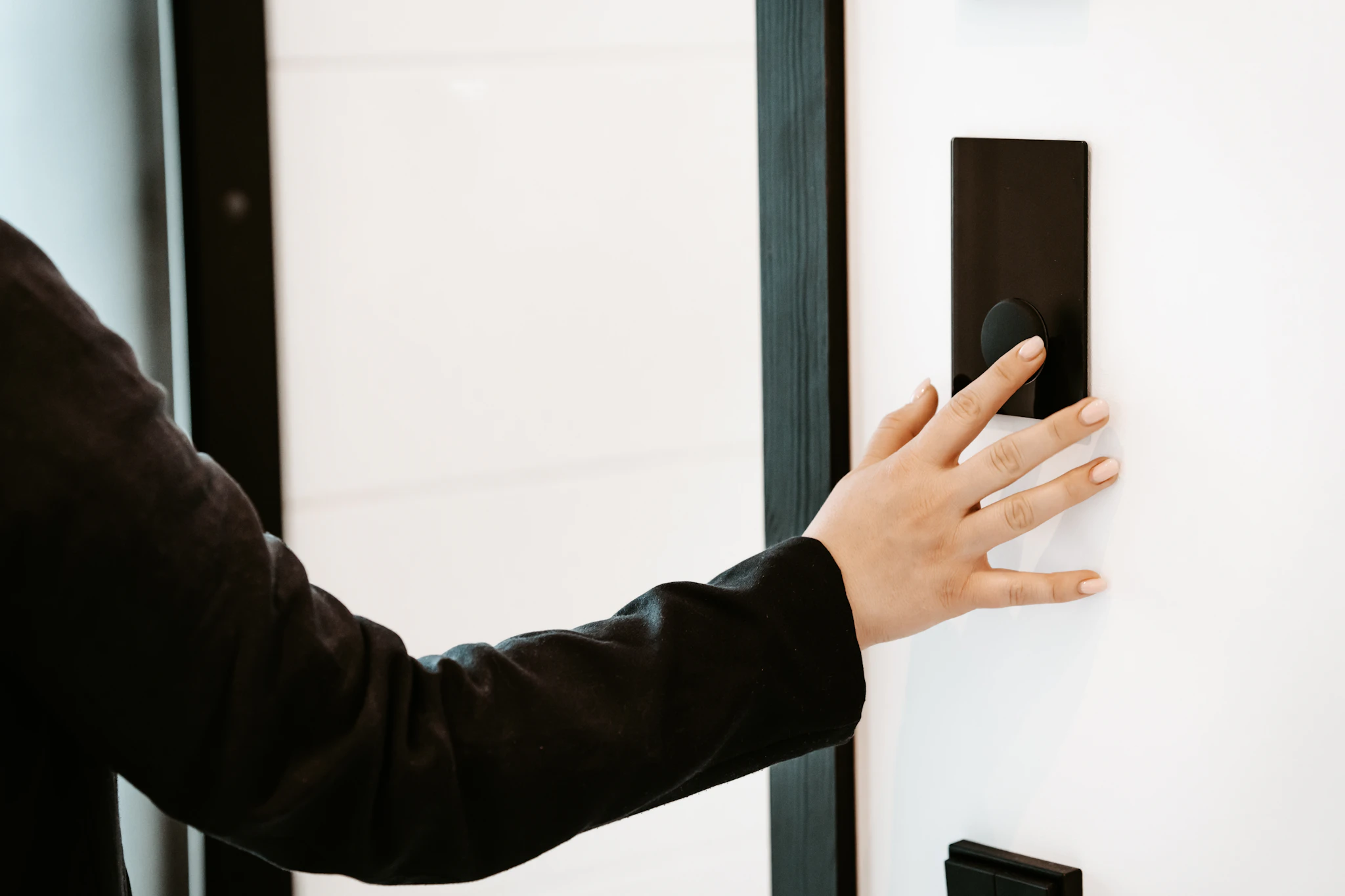
- Residents: biometrics, facial recognition, tag (vehicle) or remote control — quick, frictionless access.
- Visitors: pre-authorization by the resident (app, video intercom), registration and, often, a temporary QR code.
- Service providers and day housekeepers: registration, authorization and time windows.
- Deliveries: specific procedures (pickup at the gatehouse, smart lockers, a delivery room) so that couriers do not circulate in the internal areas.
The clearer and stricter the protocol, the smaller the gap. Inside the unit, access is completed by the biometric lock.
Materials and armoring levels
Gatehouse armoring comes in levels according to the desired resistance (from laminated safety glass to higher-level armored glass). The choice balances protection, cost and aesthetics — in luxury developments, the armored guardhouse is integrated into the architectural design, without looking like a "bunker". What matters is that the whole set — armoring, airlock, CCTV and communication — works in a coordinated way.
Good practices that make a difference
Technology depends on how it is operated. Signs of a truly secure gatehouse:
- Identification always required — including from anyone who "looks like" a resident.
- The airlock actually used, not left open for convenience.
- Strict registration of visitors and service providers.
- Trained staff in communication with the central station.
- A delivery procedure that avoids internal circulation.
- Maintenance of the equipment kept up to date.
A state-of-the-art gatehouse operated carelessly loses its value. Assess the real operation — see how in how to assess a condominium's security.
People also ask
What is the difference between an armored gatehouse and a 24-hour gatehouse?
They are complementary concepts: the armored gatehouse is the physically reinforced guardhouse (resistant glass and structure), while a 24-hour gatehouse refers to having a doorman present at all times. The ideal in the high-end segment is to have both — an armored guardhouse operated by staff present day and night. One protects the equipment; the other ensures continuous human surveillance.
Can vehicle access control be automated?
Yes, by TAG (the same technology used at toll plazas), license plate recognition (LPR) or an app, always combined with the vehicle airlock. Automation speeds up residents' entry without giving up the double barrier that keeps unauthorized cars from "hitching a ride". It is an increasingly common standard in Curitiba's luxury launches.
How much does it cost to install an armored gatehouse?
The cost varies with the armoring level, the size of the guardhouse and the integrated equipment (airlock, CCTV, access control), and it is usually shared among the unit owners. As a structural investment, it is diluted in the condominium's value and tends to be reflected in the units' appreciation and liquidity. It is worth evaluating the whole system, not the armoring alone.
Does an armored gatehouse eliminate the need for internal patrols?
No. The gatehouse controls the entrance perimeter, but patrols cover the internal areas and the condominium's blind spots. High-end security is made of layers — guardhouse, airlock, CCTV, patrols and monitoring — that complement each other. Relying on a single resource is the most common mistake.
Frequently asked questions
What is an armored gatehouse?
It is the condominium's guardhouse reinforced with resistant glass and structure, which protect the doorman and the access control equipment. Since the gatehouse controls the opening of the entrances, armoring it prevents an approach to the guardhouse from compromising the security of the entire development.
How does a condominium's security airlock work?
The airlock (or mantrap) is a system of two barriers in sequence — the second only opens after the first one closes. It exists for pedestrians and vehicles and prevents unauthorized people or cars from slipping in behind a cleared entry. It is one of the features that most raise security.
Is a remote gatehouse secure?
It can be, as long as it has robust infrastructure (cameras, video intercom, airlock) and well-defined protocols. In the high-end segment, the on-site 24-hour gatehouse is still the benchmark, often combined with remote resources. The level of security depends on the operation and the technology, not just on the model.
How should delivery control work in a luxury condominium?
Ideally, couriers should not circulate in the internal areas: pickup at the gatehouse, smart lockers or a delivery room, with registration. This reduces exposure and keeps the perimeter controlled without hurting residents' convenience.
Looking for a condominium in Curitiba with a gatehouse and access control that measure up? In Antológica's listings you can filter by neighborhood, type, en-suite bedrooms, parking spaces and price. Whatever the listing page does not answer about security, you can ask one of the partners. Talk to Antológica or see how we work.
Free download: the High-End Property Buyer's Guide to Curitiba — neighborhoods, costs, paperwork and a checklist of what to evaluate before buying.
Content produced by Fernando Moreno, partner at Antológica and specialist in Curitiba's high-end real estate market.