Security and gated communities
Security technology in luxury condominiums
Security technology in luxury condominiums: AI-powered CCTV, biometric and facial access, security airlocks, perimeter alarms and 24-hour monitoring.
By Pedro Carvalho
Quick answer: luxury condominiums combine several layers of technology: smart CCTV (cameras with AI analysis and license plate recognition), access control by biometrics, facial recognition and tags, a security airlock at the entrance, electric fencing and perimeter sensors, alarms and 24-hour monitoring from a control center, all integrated and accessible through the residents' app. No single item solves the problem on its own — security comes from the sum of these layers and from operating them well.
Security is one of the main criteria for buyers in the high-end segment, and luxury developments respond with cutting-edge technology. But it is easy to get lost in a brochure full of acronyms. This guide explains, in plain language, what each system does and why it matters — complementing the guide security in high-end real estate in Curitiba.
Smart CCTV: cameras that "think"
Cameras have evolved from simple recording to smart analysis:
- AI analytics: they detect movement in restricted areas, crowding or stationary objects, and trigger alerts in real time.
- LPR (license plate recognition): they identify vehicles at the entrance, speeding up access for residents and logging visitors.
- High resolution and night vision, covering the perimeter and common areas.
- Cloud recording, which preserves the footage even if the local equipment is damaged.
The modern camera does not just record — it warns in advance, before something happens, turning monitoring from reactive into preventive.
Access control: who gets in, and how
It is the backbone of security. Luxury condominiums use several methods, often combined:
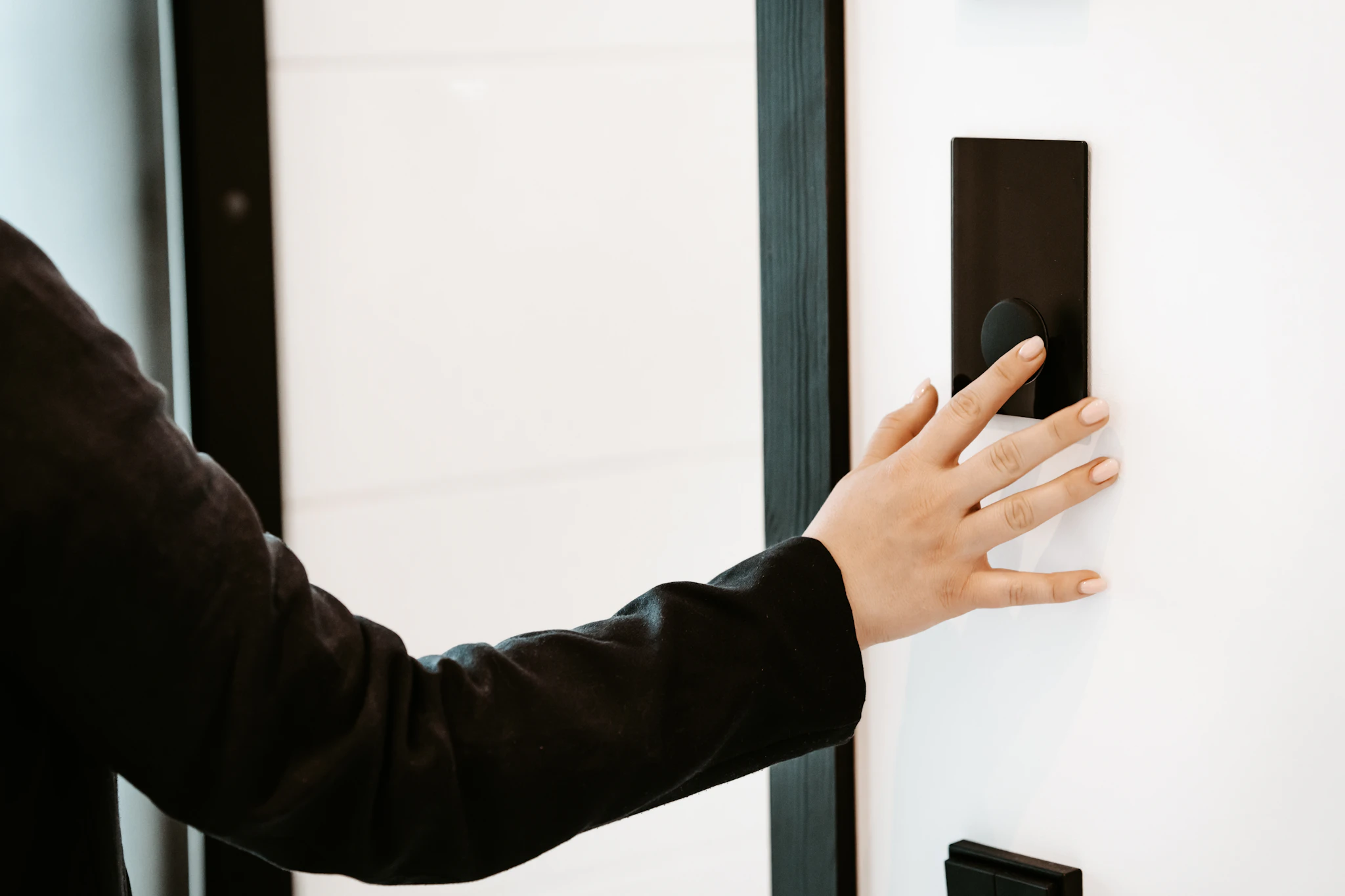
- Biometrics (fingerprint) and facial recognition for residents.
- Proximity tags and remotes for vehicles.
- QR codes and pre-registration of visitors and service providers via the app.
- Video intercom to grant access with confirmation.
The goal is to ensure that only authorized people get in — without friction for residents. Inside the unit, this extends to biometric locks.
Security airlock: the smart physical barrier
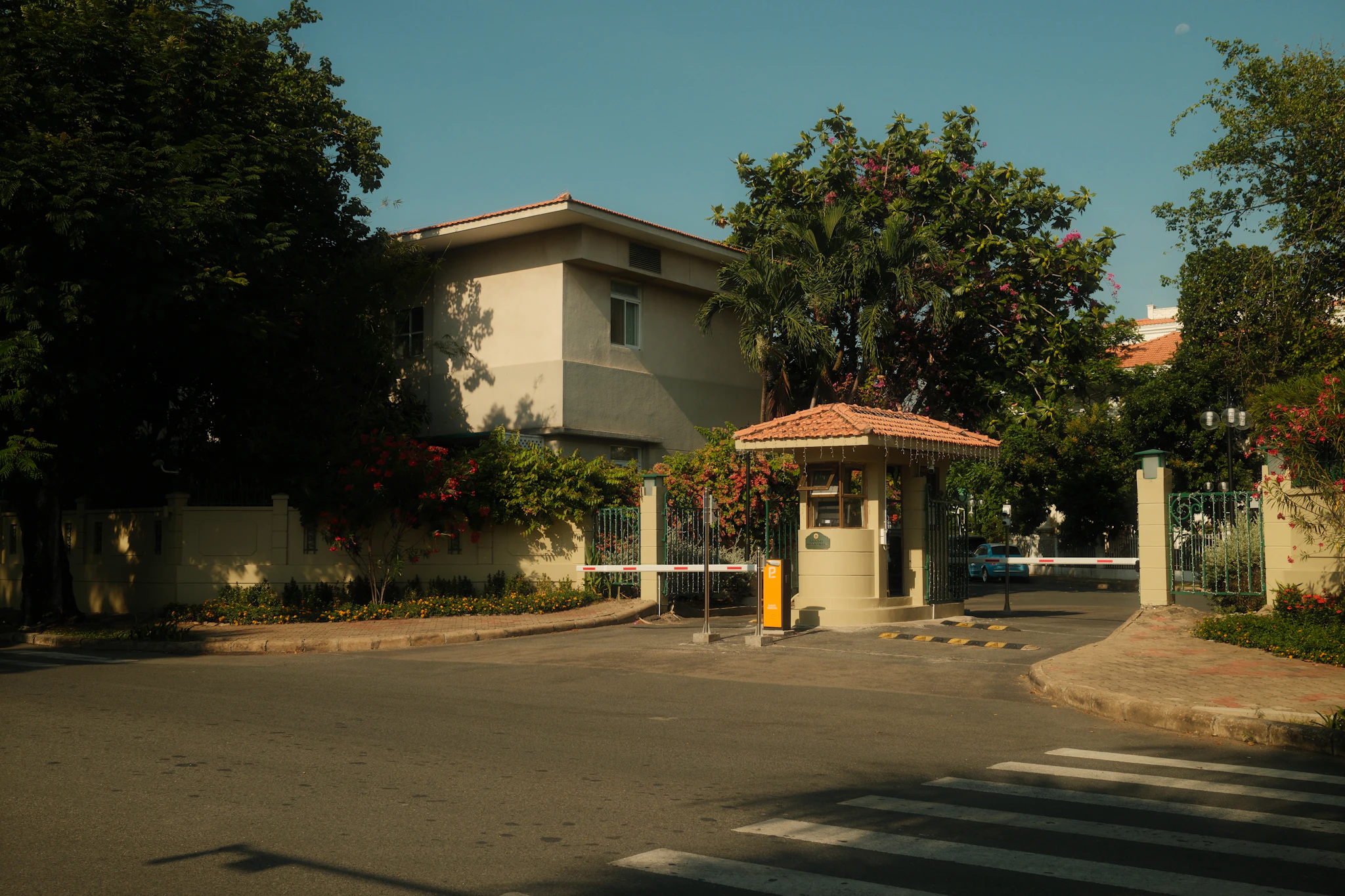
The security airlock (called eclusa or clausura in Brazil) is a system of two doors or gates in sequence: the second only opens when the first closes, creating a controlled "trap" for pedestrians and vehicles. Combined with an armored gatehouse, it prevents forced entry by "tailgating" an authorized car. It is one of the items that most raise a condominium's level of security.
Perimeter protection
The first physical line of defense, especially in gated communities of houses:
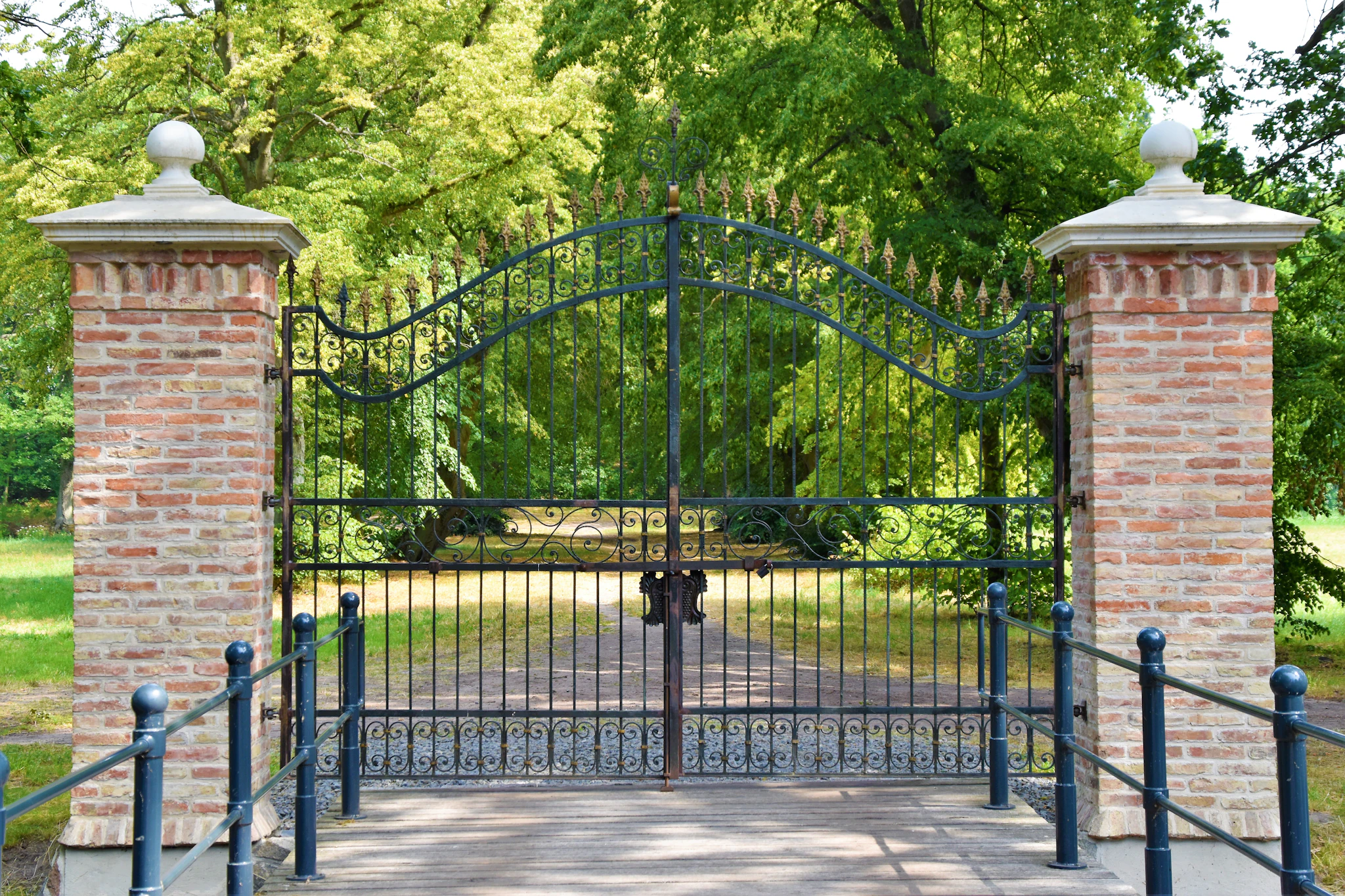
- Electric fencing on top of the walls.
- Perimeter sensors (infrared, sensor cable) that detect intrusion attempts.
- Razor wire and barriers when necessary.
- Automated lighting, which turns on when it detects movement.
A well-protected perimeter detects and deters before anyone reaches the units.
24-hour monitoring and the security control center
Technology only works if someone watches and reacts. Luxury condominiums maintain:
- A 24-hour monitoring center, with operators watching cameras and alarms.
- Scheduled and logged internal patrols.
- Response protocols for incidents, integrated with security companies and public law enforcement.
- Panic buttons and direct communication with the gatehouse.
The combination of technology + trained staff + processes is what really protects.
Integration and the residents' app
The trend is the integration of all systems into a single platform, accessible through the condominium app. Through it, residents admit visitors, receive package notifications, follow what is happening at the gatehouse, authorize service providers and receive alerts. Integration also connects the unit's security (alarm, automation) to that of the condominium, creating a cohesive mesh of protection.
Trends: AI, facial recognition and predictive analytics
The near future has already reached luxury launches: facial recognition as the main form of access, AI that learns patterns and flags anomalies, license plate recognition integrated with the residents' register and predictive analytics that anticipate risks. Security is moving from "recording what happened" to "preventing what could happen".
What to assess in practice
Cutting-edge technology in the brochure is not enough — check that it works:
- Does the control center actually monitor 24 hours a day?
- Is the security airlock working, and is it used?
- Is access control for visitors and service providers strict?
- Do the cameras cover the perimeter and common areas, with recording?
- Are there patrols and clear protocols?
The complete step-by-step is in how to assess a condominium's security.
Questions people also ask
What is facial recognition in condominium access control?
It is the technology that identifies residents by their face to grant entry, doing away with cards or keys and making unauthorized access harder. It is becoming standard in luxury launches, often integrated with license plate recognition for vehicles. It raises both security and convenience, with a log of who comes in and goes out.
How does the residents' app work in a luxury condominium?
The app brings the condominium's services together in one place: admitting visitors, package notifications, authorizing service providers and security alerts. It can also integrate the gatehouse with the automation of the unit itself, creating a cohesive mesh of protection. It is one of the main management and security trends in new developments.
Does a condominium's security affect the property's value?
Yes, properties in condominiums perceived as safe have greater demand, better liquidity and more solid appreciation. Security is one of the main criteria for high-end buyers, alongside location and construction standards. Investing in a well-protected development tends to pay off at resale.
Who monitors a luxury condominium's security 24 hours a day?
Surveillance is carried out by a monitoring center, with operators who watch cameras and alarms in real time, supported by internal patrols and response protocols. Technology alone is not enough: it is the sum of equipment, trained staff and processes that ensures protection. Panic buttons and direct communication with the gatehouse complete the structure.
Frequently asked questions
What security technologies should a luxury condominium have?
Smart CCTV (with AI and license plate recognition), access control by biometrics and facial recognition, a security airlock at the entrance, electric fencing and perimeter sensors, alarms, 24-hour monitoring from a control center and the integration of everything into a residents' app.
What is a security airlock (eclusa) in a condominium?
It is a system of two doors or gates in sequence: the second only opens after the first closes, creating a controlled passage for pedestrians and vehicles. It prevents forced entry by following an authorized access and greatly raises security.
Is AI-powered CCTV worth it?
Yes. AI cameras detect movement in restricted areas, crowding and suspicious objects, triggering alerts in real time. They turn monitoring from reactive (reviewing footage) into preventive (warning in advance), increasing the effectiveness of security.
Does technology replace the security team?
No. Technology enhances it, but real protection comes from the sum of equipment, trained staff and response protocols. A control center that monitors and reacts 24 hours a day, with patrols and clear processes, is as important as the cameras and access control.
Looking for a high-end condominium with cutting-edge security in Curitiba? In Antológica's portfolio you can filter by neighborhood, type, en-suite bedrooms, parking spaces and price. Whatever the listing does not answer about security, you can ask one of the partners. Talk to Antológica or see how we work.
Download for free the High-End Home Buyer's Guide to Curitiba: neighborhoods, costs, paperwork and the checklist of what to assess before buying.
Content produced by Pedro Carvalho, partner at Antológica and specialist in Curitiba's high-end real estate market.