Finishes, architecture and design
Biophilic design: nature in the luxury home
Biophilic design in the high-end market: how to bring nature, light and plants into a luxury home for more well-being, appreciation and quality of life.
By Pedro Carvalho
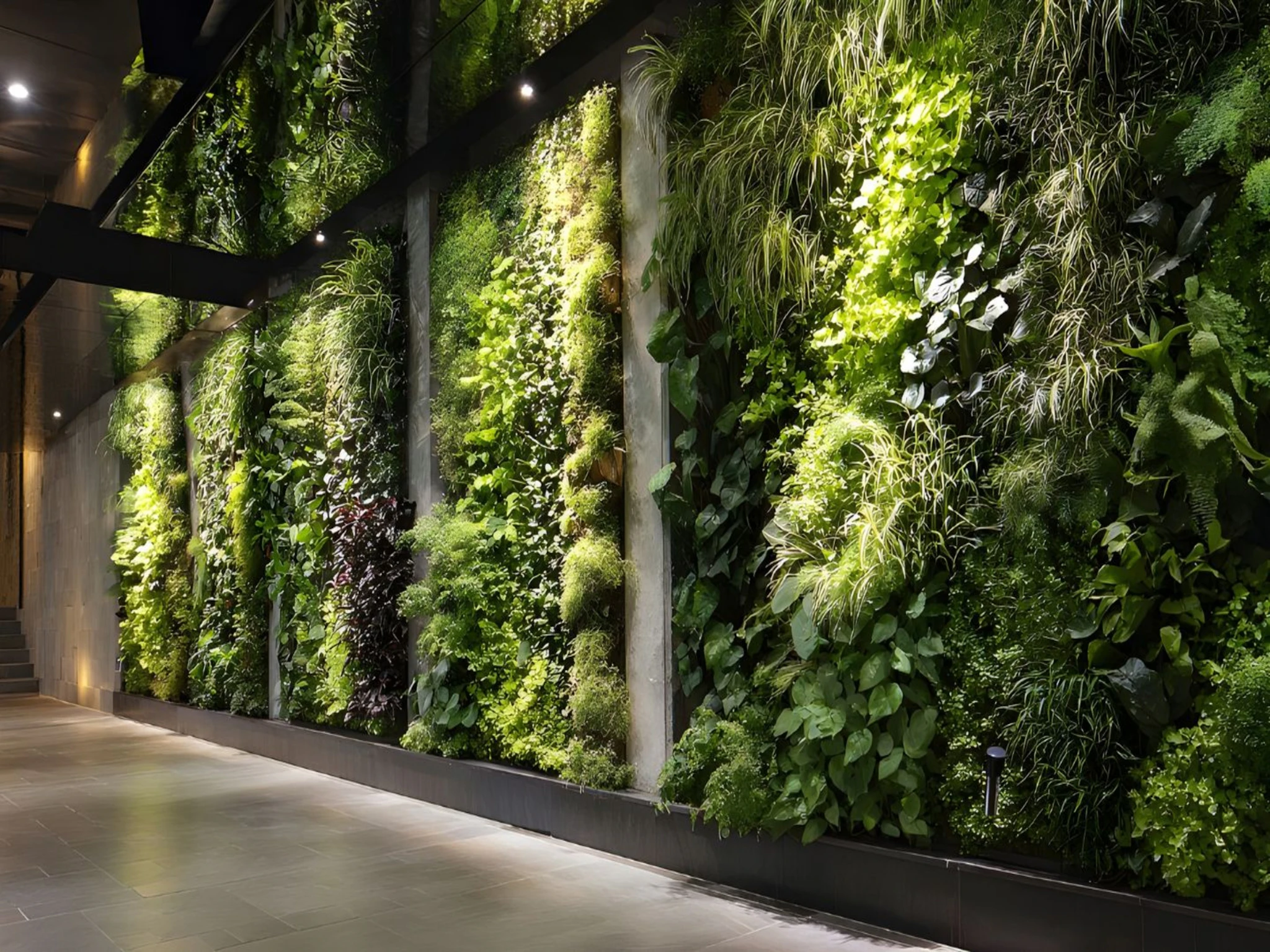
Quick answer: biophilic design is the approach that integrates nature into the built environment to promote well-being. In practice, it means abundant natural light, plants and gardens (including vertical ones), organic materials (wood, stone, fibers), natural ventilation, water, green views and organic shapes. It is one of the main trends in the high-end market because it reduces stress, improves air quality and sleep, and adds value to the property. The concept starts from the idea that humans have an innate connection with nature (biophilia).
More than aesthetics, biophilic design responds to a real need: reconnecting people who live in urban environments with nature. In the high-end market, it has become one of the most sought-after features — and an investment in health and quality of life. Here is what it is and how to apply it. For an overview of trends, see high-end finishes and interior design trends for 2026.
What biophilia is (and why it works)
The term biophilia describes the innate human tendency to seek connection with nature and other living beings. Biophilic design translates this into architecture and interiors: it brings into the home natural elements that our body and mind recognize and respond to positively. It is not mysticism — there is growing evidence that environments with natural light, plants and organic materials reduce stress and improve mood, concentration and sleep.
The elements of biophilic design
1. Natural light
The most important element. Large openings, high ceilings, skylights and open floor plans maximize the entry of light, which regulates the biological rhythm and gives a sense of spaciousness. In the high-end market, natural light is treated as the protagonist of the design.
2. Plants and vegetation
From pots to vertical gardens (green walls), including indoor gardens and winter gardens. Vegetation purifies the air, adds humidity, reduces noise and brings life to the rooms. On penthouses and terraces, landscaping is part of the luxury.
3. Organic materials
Wood, natural stone, fibers, linen, wool, leather, ceramics. Materials that evoke nature and age well, in tune with the neutral, earthy palette. They bring texture, warmth and authenticity.
4. Water
Reflecting pools, fountains and water features bring a relaxing sound, freshness and movement. In high-end projects, they appear in amenity areas, gardens and even indoor spaces.
5. Ventilation and natural air
Cross ventilation, fresh air and the connection with the outdoors. Besides comfort, it improves indoor air quality — which is increasingly valued.
6. Views and a visual connection with greenery
Windows frame trees, parks and landscape. That is why properties facing green areas are so valued — the view is part of the biophilic design. This is the case in tree-lined, planned neighborhoods such as Ecoville.
7. Organic shapes and patterns
Curves, shapes that imitate nature, organic patterns on the floor, in the millwork and in the textiles. They reinforce the sense of naturalness, in line with the 2026 trend toward curves.
Table: element and benefit
| Element | Main benefit |
|---|---|
| Natural light | Regulates sleep and mood, makes the space feel larger |
| Plants and gardens | Purify the air, reduce noise and stress |
| Organic materials | Sensory comfort and authenticity |
| Water | Relaxation and freshness |
| Natural ventilation | Air quality and thermal comfort |
| Green views | Connection with nature and appreciation |
How to apply it in apartments
You do not need a house on a large lot to embrace biophilia:
- Maximize natural light: light curtains, mirrors that reflect light, a light palette on the walls.
- Create a green spot: a vertical garden, larger pots, a winter garden in a well-lit corner.
- Use natural materials: wood in the millwork, stone on a feature wall, fibers in the textiles.
- Make the most of the balcony: turn the terrace into a green extension, with plants and landscaping.
- Choose plants suited to the light in each room, so they thrive (a plant that dies does not do its job).
Biophilia, well-being and appreciation
Biophilic design connects two major trends in the high-end market: well-being and sustainability. Homes that promote health — clean air, light, contact with greenery — are perceived as more valuable, because today's luxury is, to a large extent, quality of life. In addition, properties with a good relationship to green areas and a good natural lighting design tend to have better liquidity and to hold their price. In Curitiba, a city known for its parks and tree cover, biophilia naturally fits the local lifestyle.
Common mistakes in biophilic design
- Filling the space with plants without planning the light — and watching everything die.
- Confusing biophilia with "lots of green" — the concept is broader (light, materials, air, views).
- Blocking natural light with layouts and heavy curtains.
- Ignoring the maintenance of vertical gardens and reflecting pools, which require care.
- Fake "natural" materials of poor quality — a little real wood is better than a lot of bad imitation.
Questions people also ask
Which plants are suitable for low-light indoor spaces?
For spaces with indirect light, species such as ZZ plant, pothos, snake plant, pacová philodendron and aglaonema usually adapt well and require little maintenance. The secret of biophilia is choosing the right plant for the light in each room — a plant without the light it needs ends up dying and does not do its job. In very dark rooms, it is worth prioritizing lighting or betting on a few hardy species.
What is a winter garden?
A winter garden is an indoor space dedicated to plants, usually well lit by natural light, that brings nature inside without depending on an outdoor area. It can occupy a corner of the living room, a stairwell or a room of its own with a skylight. It is one of the most elegant ways to apply biophilia in the high-end market, especially in apartments.
Does biophilic design increase maintenance costs?
Some elements require ongoing care — vertical gardens, reflecting pools and large plant beds demand regular maintenance. On the other hand, much of biophilia (natural light, organic materials, green views) generates practically no extra cost. The ideal is to size the living elements according to your willingness to care for them, avoiding designs that look beautiful on paper but are unsustainable day to day.
What is the difference between biophilic design and simply having plants?
Having plants is only one of the elements; biophilic design is a broader concept that integrates natural light, organic materials, water, ventilation, green views and natural shapes into the design. The idea is to recreate, in a planned way, the human connection with nature throughout the space. A home can be deeply biophilic with few plants, as long as it makes good use of light, materials and views.
Frequently asked questions
What is biophilic design?
It is the design approach that integrates nature into the built environment — with natural light, plants, organic materials, water, ventilation and green views — to promote well-being. It starts from the idea that humans have an innate connection with nature (biophilia).
What are the benefits of biophilic design?
Reduced stress, improved mood, concentration and sleep, better air quality and a sense of well-being. In the property, it adds value because it is aligned with the health and sustainability trends of the high-end market.
How do I apply biophilic design in an apartment?
Maximize natural light, create green spots (vertical garden, pots, winter garden), use natural materials such as wood and stone, make the most of the balcony with landscaping and choose plants suited to the light in each room.
Does biophilic design add value to the property?
It tends to, because it connects well-being and sustainability — two major differentiators of today's high-end market. Properties with good natural light, contact with greenery and fine materials usually have better liquidity and price.
Looking for a property connected to nature in Curitiba? At Antológica you will find high-end developments in green, tree-lined neighborhoods. Talk to Antológica or see how we work.
Download for free the Buyer's Guide to High-End Property in Curitiba: neighborhoods, costs, documentation and the checklist of what to evaluate before buying.
Content produced by Pedro Carvalho, partner at Antológica and a specialist in Curitiba's high-end real estate market.