Launches and market
Demeterco and Raad: the families behind Laguna, Piemonte and Monarca
From the general store that became Mercadorama to the fruit that became La Violetera: how the Demetercos and the Raads arrived at Laguna, Piemonte and Monarca.
By Fernando Moreno
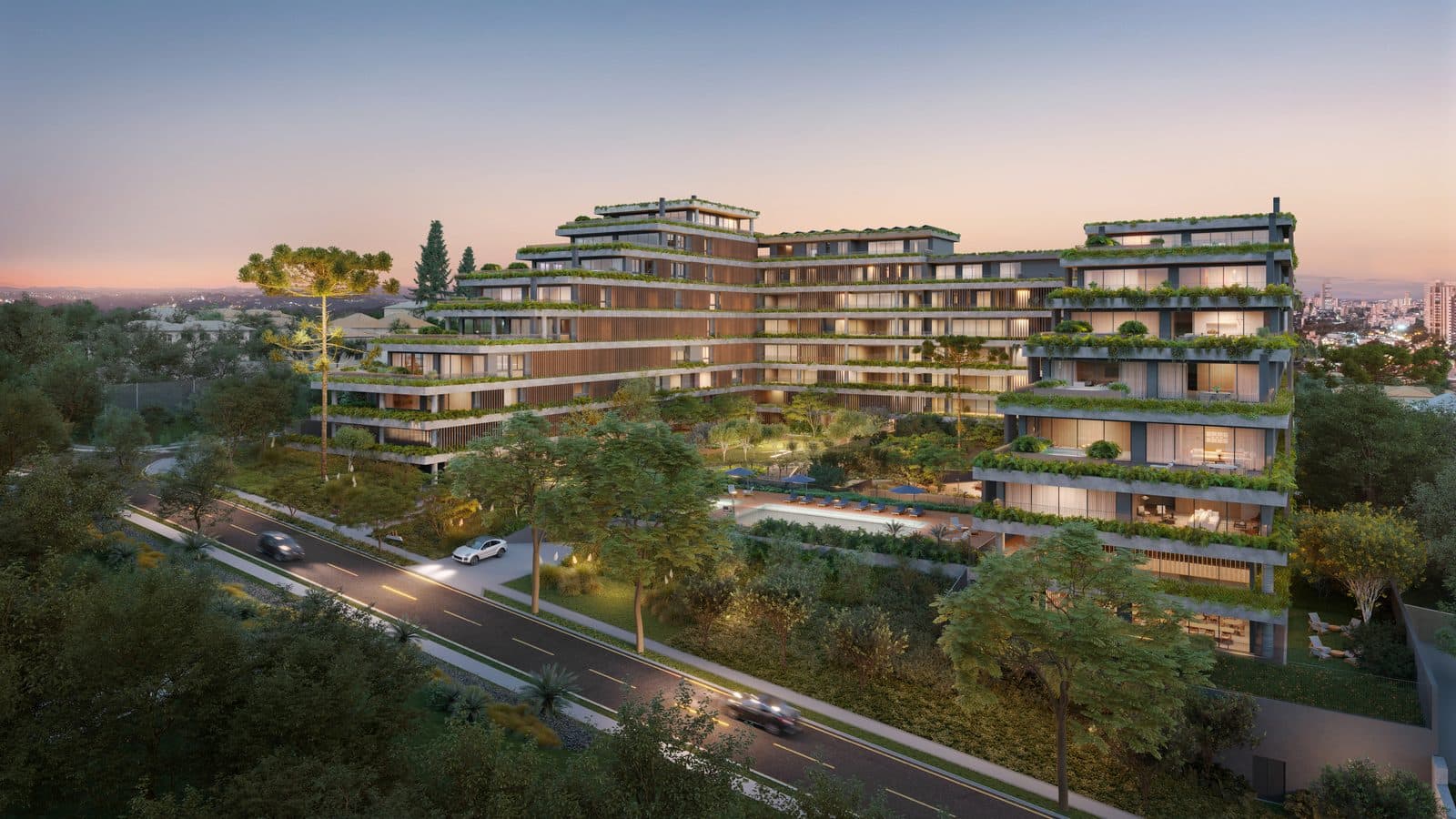
Three high-end developers in Curitiba came out of two immigrant families who arrived in the city more than a hundred years ago. Piemonte belongs to the Demeterco family, of Ukrainian origin, the family that created the Mercadorama supermarket chain. Monarca belongs to the Raad family, of Lebanese origin, the family behind La Violetera. Laguna brings the two together: it was founded in 1996 by Faissal Assad Raad and Maria Bernardete Demeterco Raad.
This article traces the path of the two families, from the general store and the fruit sold on the street to the developers, and who runs each company today. The sources are listed at the end.
Who is behind each developer
| Developer | Family | Since | Who runs it today |
|---|---|---|---|
| Laguna | Raad and Demeterco | 1996 | Gabriel Raad, chairman of the board of Grupo Laguna, and André Marin, managing director |
| Monarca | Raad, the Seme Raad branch | 1997 | Seme Raad Filho, director, and Seme Raad, administrator |
| Piemonte | Demeterco | 1999 | Filipe Biscaia Demeterco, president and CEO |
The Demetercos: from the general store on Praça Tiradentes to Mercadorama
The Demeterco family came from Ukraine at the end of the 19th century. The family's group gives the year as 1894. Its business history begins in early 1914, when the young immigrant Pedro Demeterco agreed to become a partner in the Fortunato & Paiva general store, in Curitiba, with 30% of the business. In 1924, he took over the store and created Demeterco & Cia.
The supermarket chain came with the next generation. Pedro's son, José Luiz Demeterco, known as Zeca, is credited as the founder of Mercadorama, and the name was his idea, according to the book about the family. Gazeta do Povo gives 1951 as the year the chain was founded. In 1959, on the site of the general store, on Praça Tiradentes, a self-service store opened, where customers took their own groceries off the shelf. According to the book, it was the first of its kind in Paraná and the second in Brazil.
In the 1990s, Mercadorama was the largest supermarket chain in the state. In 1997, it led sales in Paraná and ranked 12th by revenue in the national ranking of Abras, the Brazilian supermarket association, according to an opinion issued by the Ministry of Finance. In 1998, the family sold the chain's operations to the Portuguese group Sonae, but kept the real estate, according to the book.
The brand lasted more than two decades after the sale. Walmart bought Sonae's operations in Brazil in 2005. In 2021, the eight remaining Mercadorama stores in Curitiba switched to the Nacional banner, and the brand ceased to exist.
From supermarkets to real estate: Plenaventura, Piemonte and DCL
The family entered the real estate market the same year as the sale. According to DCL, the family company that preserves the Mercadorama legacy, it was in 1998 that the family began investing in real estate. On September 30 of that year, Plenaventura, the Demeterco family's investment holding company, was opened. On February 19, 1999, came Piemonte Construções e Incorporações, according to the records of the Receita Federal, Brazil's federal tax authority.
The name evokes Italy, but the family behind Piemonte is of Ukrainian origin. Today the company is headed by Filipe Biscaia Demeterco, who, according to his profile at the GRI Institute, also chairs the board of Plenaventura. In the Receita Federal records, other members of the Demeterco family appear on the holding company's executive board and board of directors.
One of Piemonte's projects links the family's two phases. According to Piemonte, the site of the Moradias Rio Bonito subdivision, in Campo de Santana, was a former produce farm that supplied Mercadorama until 1998. The subdivision has 6.2 thousand lots and began to be occupied by families in 2005. It was with this project that the company began its history in the region.
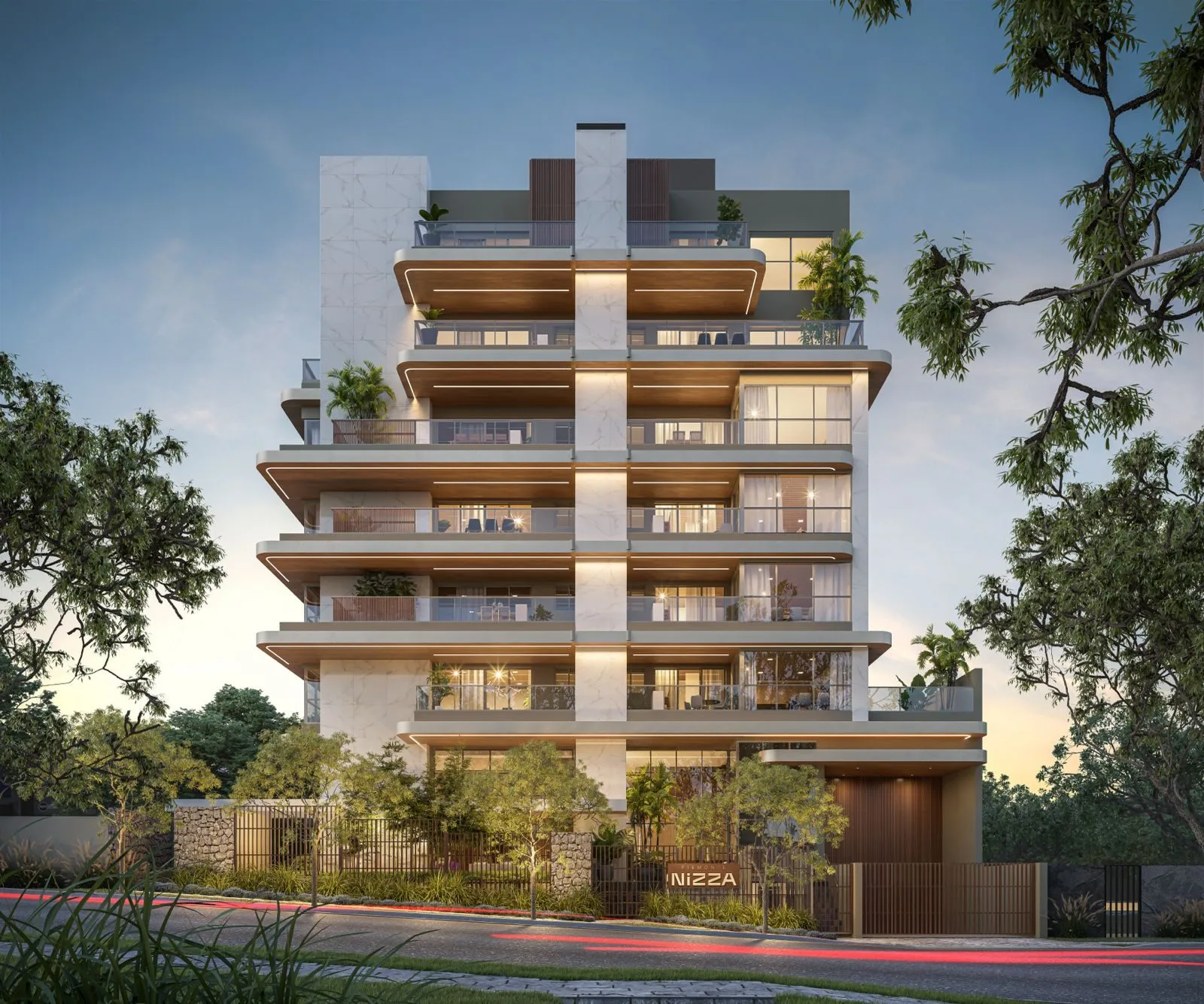
Illustrated rendering of Nizza, by Piemonte, in Batel. Image: promotional material.
According to Piemonte, it has delivered more than 10 thousand properties, in Paraná and Santa Catarina. The company's timeline begins with residential buildings such as Saint Paul de Vence, Saint Louis and Ville Bretagne. In the high-end segment, its most recent projects include Nizza and Qoya, in Batel, Poty, in Água Verde, Alberi, in Cabral, Lior, in Ahú, and Croma, in Bigorrilho. Qoya carries the Curio Collection brand, from the Hilton chain.
The Demetercos' other real estate arm is DCL Real Estate, which leases warehouses and stores and manages Shopping Cidade Maringá. Its headquarters is at Praça Tiradentes, 320, in the same building as the old general store, according to the book about the family.
The Raads: from fruit sold on the street to La Violetera
Hassan Mohamed Raad arrived from Lebanon in 1914, through the port of Santos. In Curitiba, he started out selling bananas and hearts of palm on the streets, brought in from Antonina, on the Paraná coast.
The business grew and became a fruit importer. According to the company itself, it was renamed Importadora de Frutas Filomena in the 1960s and, in the 1970s, La Violetera, a name inspired by the 1958 film starring Sara Montiel. La Violetera counts 1928 as the year Hassan opened his first shop, Imperatriz das Frutas. The obituaries published by Gazeta do Povo and Bem Paraná date the founding to 1914, the year he arrived.
Laguna: the company that brought the two families together
Faissal Assad Raad, Hassan's son, began his career alongside his father, at La Violetera. In 1996, he and Maria Bernardete Demeterco Raad founded Construtora e Incorporadora Laguna. In Laguna's words, Faissal and Maria Bernardete "brought the two stories together."
The first residential project was Residencial Laguna, in Batel, in 2001. Projects in Bigorrilho, Água Verde, Batel and Cabral followed. Environmental certifications became a company hallmark:
- Iguaçu 2820 (2013): a business complex in Água Verde with LEED Gold certification, home to Laguna's headquarters.
- LLUM Batel (2019): presented by Laguna as the first residential building in Brazil with LEED Gold pre-certification.
- Galeria Laguna (2022): on Avenida do Batel, with 103 points in the LEED Platinum certification.
- PINAH (2024): according to the company, the first residential WELL certification in Latin America. WELL is a seal focused on the health and well-being of the people who occupy the building.
In 2021, Laguna received the Developer of the Year award from Ademi-PR, the association of real estate companies in Paraná. Today, according to the company, it has 18 projects delivered and 4 under construction.
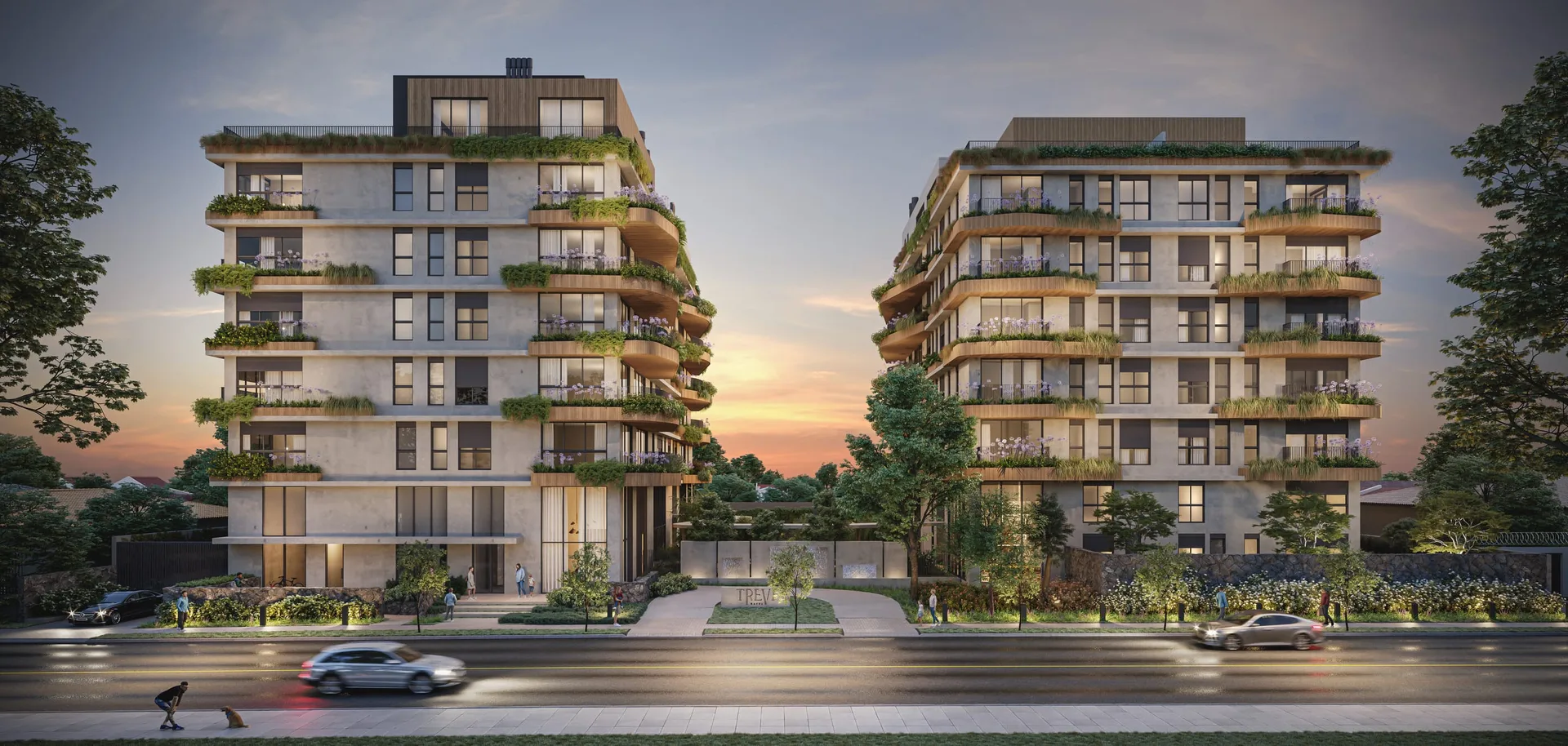
Illustrated rendering of TREVI, by Laguna, in Batel. Image: promotional material.
Faissal Assad Raad died on May 13, 2026, at the age of 80. He chaired the board of La Violetera. In 2023, he had been named Construction Industry Personality by TOPVIEW magazine. Faissal's son, Gabriel Raad, has chaired the board of Grupo Laguna since April 2025. The managing director is André Marin, an executive who has worked at the company since 2015.
Among Laguna's buildings in Antológica's portfolio are ZAHI and TREVI, in Batel, KAÁ, in Bigorrilho, JOÁ, in Cabral, and VAZ Batel. The company also has the BIOOS line, aimed at people aged 60 and over, with BIOOS Alto da Glória and BIOOS Barigui.
Monarca: the other branch of the Raads
Monarca Empreendimentos Imobiliários was opened on July 10, 1997, a year after Laguna. It belongs to another branch of the Raad family, that of Seme Raad. The director is Seme Raad Filho, who has been a partner in the company since it opened, according to the Receita Federal.
Monarca has no partners from the Demeterco family. In the Receita records consulted in November 2026, every individual in the ownership structure bears the Raad surname, alongside a holding company owned by the family itself.
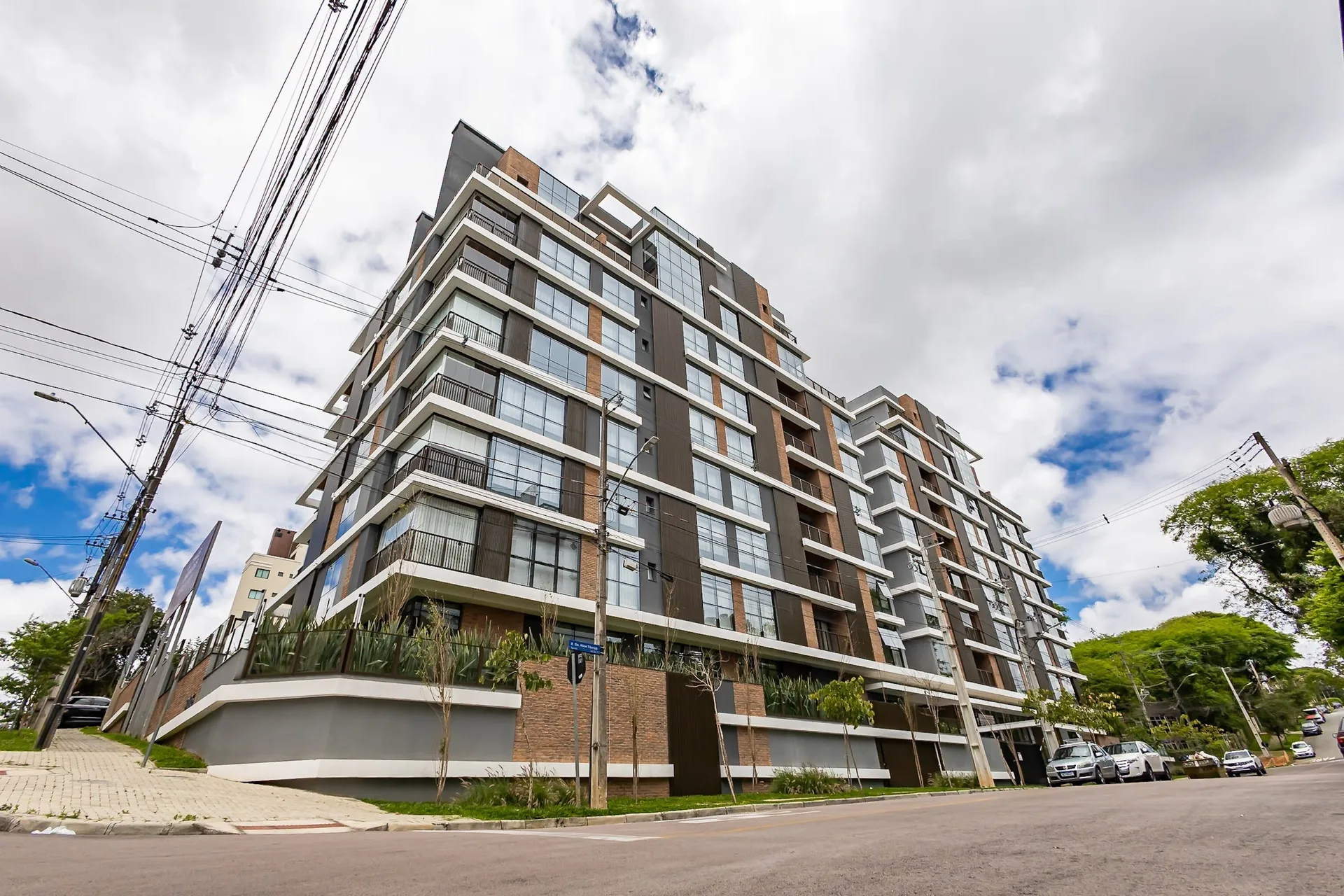
Álamo, by Monarca, in Bigorrilho. Image: promotional material.
Monarca's timeline begins with Edifício Green Palace, in 2001, and includes buildings such as Queen Elizabeth, Vogue, Hayat, City Centro Cívico and Trend Home Soho. In 2009, the company partnered with the São Paulo builder Stuhlberger, which resulted in Silva Jardins, next to Shopping Estação. The most recent projects are Álamo, in Bigorrilho, which appears in 2023 on the company's timeline and is ready to move in, and UMA Batel, in Batel, under construction.
Common questions about the Demeterco and Raad families
Who owns Laguna?
Laguna was founded in 1996 by Faissal Assad Raad, who died in May 2026, and Maria Bernardete Demeterco Raad. Today Faissal's son, Gabriel Raad, chairs the board of Grupo Laguna, and André Marin is the managing director.
Does Piemonte belong to the Demeterco family?
Yes. Piemonte, opened in 1999, is part of the Plenaventura group, the Demeterco family holding company created in 1998, the year the family sold Mercadorama. The president and CEO is Filipe Biscaia Demeterco.
Does Monarca belong to the Demeterco family?
No. Monarca belongs to the Seme Raad branch of the Raad family. There is no one from the Demeterco family among Monarca's partners.
Do Monarca and Laguna belong to the same family?
They belong to the same Raad family, but to different branches, and they are separate companies. Laguna belongs to Faissal Assad Raad and Maria Bernardete Demeterco Raad. Monarca belongs to the Seme Raad branch.
Who founded Mercadorama?
The chain came from the Demeterco family. José Luiz Demeterco, known as Zeca, son of the Ukrainian immigrant Pedro Demeterco, is credited as the founder and was the one who gave the chain its name. In 1959, Mercadorama opened a self-service store on Praça Tiradentes, on the site of the family's general store.
Does Mercadorama still exist?
No. The family sold the chain to the Portuguese group Sonae in 1998, and Walmart took over the stores in 2005. In 2021, the last Mercadorama stores in Curitiba switched to the Nacional banner.
What is La Violetera?
It is the Raad family's fruit and food importer. It grew out of the business that the Lebanese immigrant Hassan Mohamed Raad started in 1914, selling fruit on the streets of Curitiba.
Who was Faissal Assad Raad?
A businessman, son of the Lebanese immigrant Hassan Mohamed Raad. He chaired the board of La Violetera and founded Laguna in 1996 with Maria Bernardete Demeterco Raad. He died on May 13, 2026, at the age of 80.
How this article was made
This profile brings together facts published by the companies themselves, by the press and by the Receita Federal's public company registry. What only the company states is marked "according to the company." The article does not cover wealth or private life. If you are part of the families or the companies and found something to correct, get in touch with us.
Sources consulted
- Receita Federal CNPJ registry (open data), consulted on November 6, 2026: Monarca Empreendimentos Imobiliários, Plenaventura Participações and Piemonte Construções e Incorporações.
- Construtora Laguna: About, Delivered and Press.
- Piemonte: Our history, Group companies and Reserva Rio Bonito.
- Monarca: About us, with the company's timeline.
- DCL Real Estate: Our history.
- La Violetera: About.
- Bom Gourmet, 07/21/2024: book pays tribute to the family that created Mercadorama.
- Wikipedia: Mercadorama.
- Gazeta do Povo, 03/29/2021: Mercadorama to change its name.
- Gazeta do Povo, 10/24/2017: after the end of Mercadorama, Curitiba brands that disappeared.
- Ministry of Finance, Seae: opinion of 05/24/2001 on Sonae's purchase of Mercadorama.
- Gazeta do Povo, 05/14/2026: Faissal Assad Raad dies.
- Bem Paraná, 05/14/2026: Faissal Assad Raad.
- TOPVIEW, 05/13/2026: founder of La Violetera and Grupo Laguna.
- Amanhã, 04/01/2026: La Violetera, every flavor has its story.
- Gazeta do Povo, sponsored content from La Violetera, 10/15/2026: La Violetera turns 98.
- Bem Paraná, 04/14/2025: Piemonte begins construction of Parque Ar.
- GRI Institute: profile of Filipe Demeterco.
- CBIC, 11/23/2021: Ademi-PR honors the standouts of 2021.
- Gazeta do Povo, 09/15/2011: Reinaldo Bessa column.
- Bem Paraná, 04/27/2012: Monarca and Stuhlberger partnership.
