Selling and managing luxury assets
Home staging: how to prepare a property for sale
Home staging: what it is and how to prepare a high-end property to sell faster and for more. A room-by-room checklist, cost vs. return and mistakes to avoid.
By Pedro Carvalho
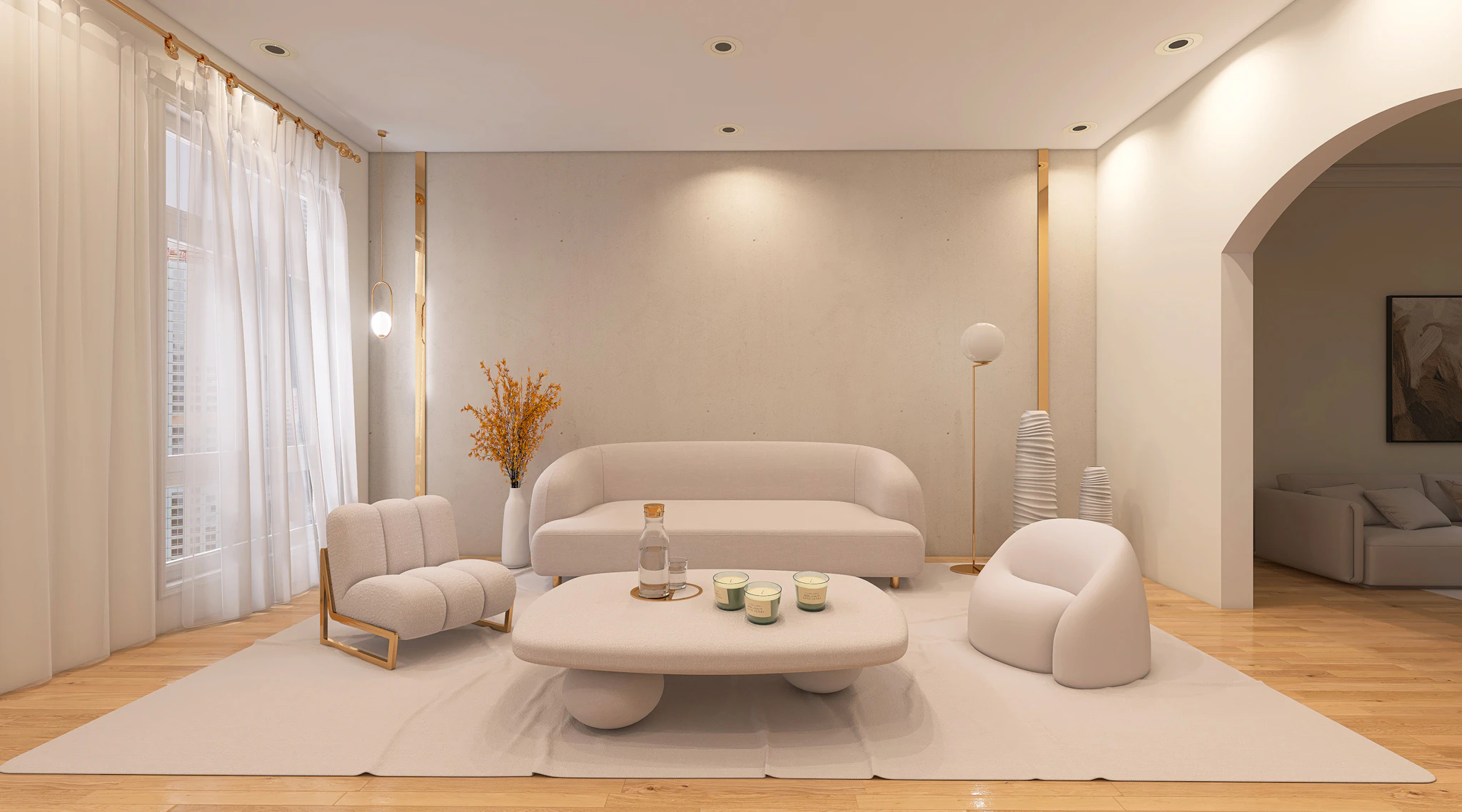
Quick answer: home staging is the strategic preparation of a property for sale — depersonalizing, organizing, making small repairs, neutralizing colors and taking care of lighting and cleaning — so that it wins buyers over at first sight. The goal is to make the buyer picture themselves living there. In the high-end segment, good staging speeds up the sale and tends to raise the final price; the investment usually pays for itself comfortably.
The first impression decides the sale. Before any photo or visit, the property needs to be at its best — and that is what home staging delivers. More than "decorating," it is a technique of preparing to sell. This guide shows what to do, room by room, and how to measure the return.
What home staging is (and what it is not)
Home staging is preparing the property so that it presents itself as impersonal, spacious and desirable to the largest possible number of buyers. It is not an expensive renovation or magazine-style decor to the owner's taste — it is the opposite: it is getting your taste out of the way so the buyer can project theirs. The technique was born in the United States and is now standard in the luxury market worldwide.
The logic is simple: the high-end buyer buys emotion and lifestyle, not just square meters — see how this translates into luxury real estate marketing. Staging sets the stage for that emotion.
Why it works
- Depersonalization: without family photos, collections and very personal objects, buyers can picture themselves living there.
- Sense of space: fewer pieces of furniture and objects make rooms look larger and airier.
- Neutralization: walls and elements in neutral tones appeal to more people — see neutral and earthy color palettes.
- Perception of care: an impeccable property signals that it has been well maintained, which reduces the buyer's apprehension (and price renegotiations).
Room-by-room checklist
| Room | What to do |
|---|---|
| Entrance/foyer | An impeccable first impression: clean, well lit, pleasantly scented, uncluttered |
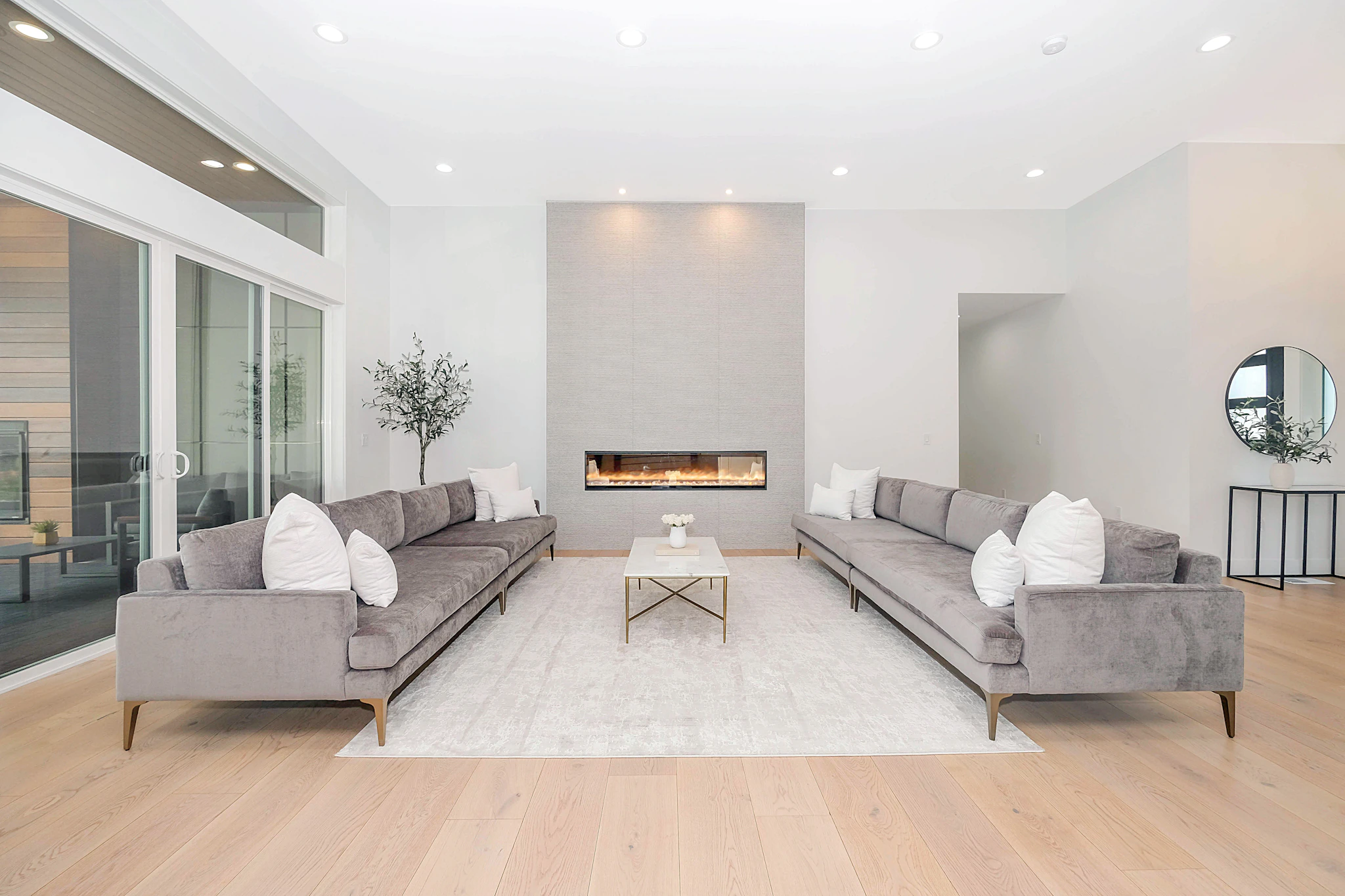
| Living room | Depersonalize, free up circulation, highlight the open layout and the view |
| Kitchen | Clear countertops, clean appliances, no magnets or papers |
| Bedrooms | Neutral bedding, organized closets (they show storage capacity) |
| Bathrooms | White towels, spotless fixtures, streak-free mirrors |
| Balcony/terrace | Set up the "leisure scene" — table, plants, show the potential |
| Outdoor areas | Trimmed garden, clean façade, working lighting |
The practical pillars of staging
- Depersonalize and pare down: put away personal objects and excess furniture. Less is more.
- Quick repairs: dripping faucets, burned-out bulbs, stained grout, creaking doors — small defects give an impression of neglect.
- Neutral paint: repainting colorful walls in light tones is one of the most cost-effective items.
- Lighting: open the curtains, replace yellowish bulbs, use warm light in the social areas. A well-lit property sells better.
- Deep cleaning: windows, grout, air conditioning, smell. The high-end market does not tolerate carelessness.
- Highlight the standout features: create the "focal point" of each room — the view, the fireplace, the ceiling height, the finishes. See high-end finishes and the interior design trends for 2026 to strike the right tone.
Physical vs. virtual home staging
There are two approaches, often combined:
- Physical staging: actual preparation of the property (furniture, decor, repairs). Ideal for a property that will be visited.
- Virtual staging: furniture and decor inserted digitally into the photos of an empty property. Useful for showing the potential of an unfurnished property at a lower cost — as long as it is transparent (the listing should state that the images are illustrative, so as not to disappoint at the visit).
In the high-end segment, physical staging of the key rooms is usually worth the investment, because the in-person visit is decisive.
Cost vs. return
Home staging is one of the few pre-sale investments with a consistent return. The logic: a relatively low cost (organizing, painting, repairs, possibly renting furniture) compared with the value of a multimillion property can shorten the time to sell and protect the price — avoiding the discounts that a property "sitting on the market" ends up suffering. Well-presented properties also produce better photos, extending the listing's reach. The gain is not just in the final price, but in speed and negotiating strength.
Do it yourself or hire a professional?
Depersonalizing, organizing and cleaning yourself already delivers a large part of the result. For higher-ticket properties, a home staging professional (or an architect/designer) brings a technical eye, supporting furniture and the ability to create the "scene" that enhances each room. The decision depends on the property's value and on how far the current presentation is from the ideal.
Common mistakes
The slip-ups that sabotage staging: excessive personalization (decorating to your own taste), overdoing the decor to the point of "hiding" the property, leaving obvious repairs undone, too much furniture blocking circulation, and ignoring smell and lighting — two factors the buyer senses within seconds. Staging should enhance the property, not compete with it. See how it all fits into the strategy for how to sell a high-end property.
Questions people also ask
Where should I start home staging an apartment?
Start by depersonalizing and paring down: put away family photos, very personal objects and excess furniture to free up circulation. Next, make the quick repairs (bulbs, faucets, grout) and do a deep cleaning. These low-cost steps already deliver a good part of the result, before you think about painting or supporting furniture.
Does home staging work in an empty property?
It does, in two ways. In physical staging, furniture is rented to create the "scene" in the key rooms and avoid the coldness of an empty property; in virtual staging, furniture is inserted digitally into the photos, at a lower cost — as long as the listing makes it clear that the images are illustrative. For high-end properties, furnishing at least the living room and the primary suite is usually worth the investment.
Which rooms most influence the decision to buy?
The living room, kitchen, primary suite and bathrooms carry the most weight. The entrance is also decisive, because it forms the first impression within a few seconds. Concentrating the staging effort on these spots usually yields the best return on the time and money invested.
Is it worth painting the walls before selling?
Yes, it is one of the most cost-effective items. Repainting colorful or marked walls in light, neutral tones appeals to more buyers and conveys a sense of a well-kept, up-to-date property. The effect on the first impression — and on the quality of the photos — usually more than makes up for the cost of painting.
Frequently asked questions
What is home staging?
It is the strategic preparation of a property for sale: depersonalizing, organizing, making small repairs, neutralizing colors and taking care of lighting and cleaning, so that the property wins buyers over at first sight and the buyer can picture living in it.
Does home staging really increase the sale price?
It tends to. By improving the first impression, staging speeds up the sale and strengthens the negotiation, helping to protect the price and avoid the discounts that properties "sitting on the market" usually suffer. The investment usually pays for itself.
How much does home staging cost?
It varies with the condition of the property and the approach. A good part of the result comes from low-cost actions — depersonalizing, cleaning, painting and repairing. The cost goes up if furniture is rented or a professional is hired, which makes sense for higher-ticket properties.
What is the difference between physical and virtual home staging?
Physical staging actually prepares the property (furniture, decor, repairs), ideal for visits. Virtual staging inserts furniture digitally into the photos of an empty property, at a lower cost — as long as the listing makes it clear that the images are illustrative.
Want to prepare your high-end property for sale? At Antológica we get to know the property before talking about price, and we tell you what is worth adjusting before the sale, and what is not. Talk to Antológica or see how we sell your property.
Download for free the Buyer's Guide to High-End Property in Curitiba: neighborhoods, costs, paperwork and a checklist of what to evaluate before you buy.
Content produced by Pedro Carvalho, partner at Antológica and a specialist in Curitiba's high-end real estate market.