Porto Camargo started in 2000 with a single project: a set of two-story houses. According to Gazeta do Povo, which told the story of the company's origins in 2013, engineer Diogo Camargo landed the contract and shared the project with cousins from the Porto family. Porto Camargo Engenharia was incorporated in June 2000. Roberto and Rodrigo Linhares Porto joined the partnership in February 2001, and Tomaz Linhares de Camargo in 2009. The name combines the two surnames.
The first ten years were devoted to houses. Between 2001 and 2010, the company built 115 high-end homes, according to Rodrigo Porto, in gated communities such as Alphaville Graciosa and in neighborhoods such as Campo Comprido, Santa Felicidade, Bairro Alto and Tanguá. It grew through client referrals: in 2013, the same Gazeta column described it as a low-profile builder that invested little in marketing.
In 2008, the company began developing and building apartment buildings, and that same year it set up the group's development arm, PCCI. For a while, houses and buildings went hand in hand, until the partners stopped taking on houses, because each one required its own custom design and attention. In 2013, Rodrigo counted ten buildings delivered and seven under way, and Proa Arquitetura was already signing the designs. The partnership continues on most of today's projects.
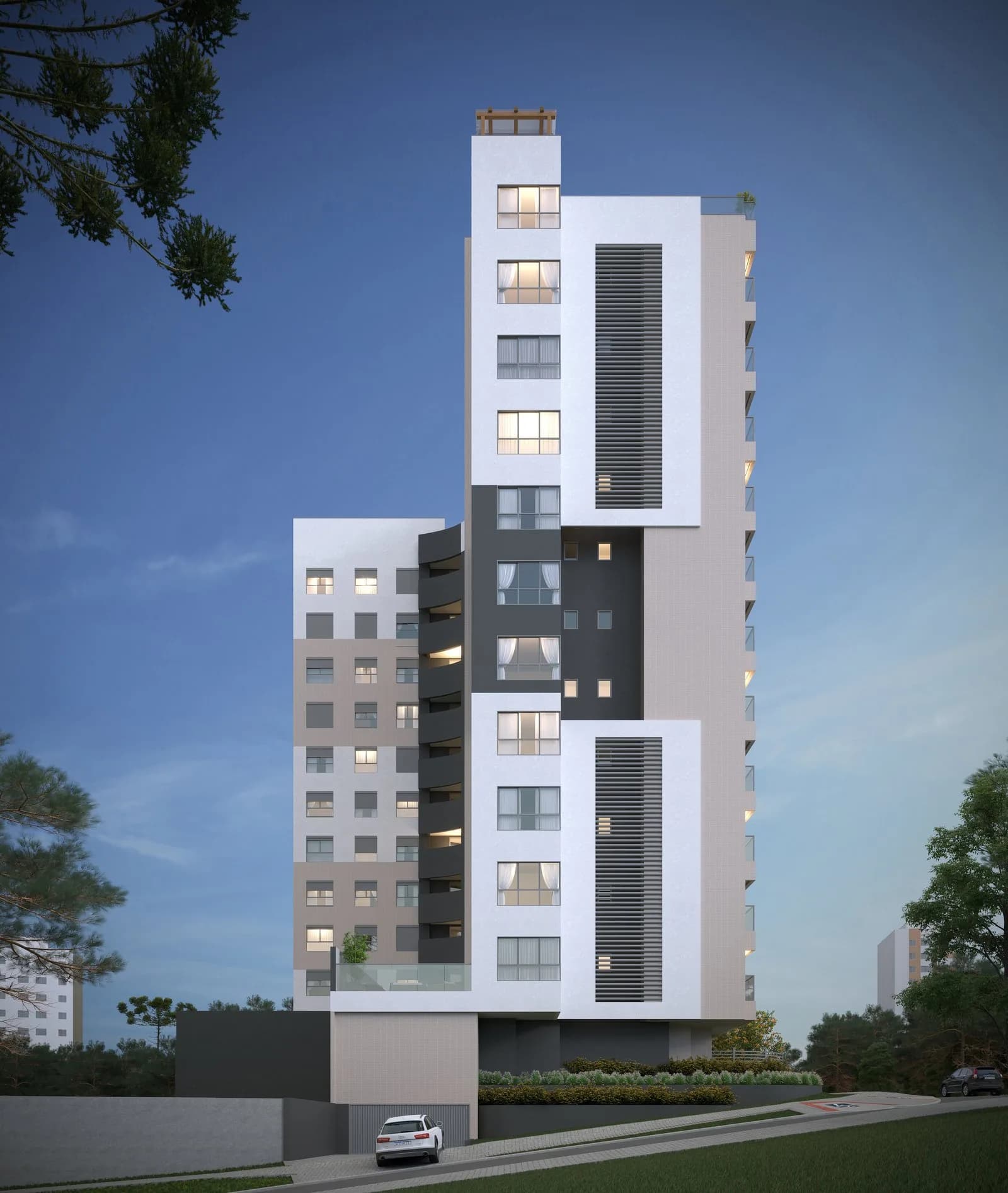
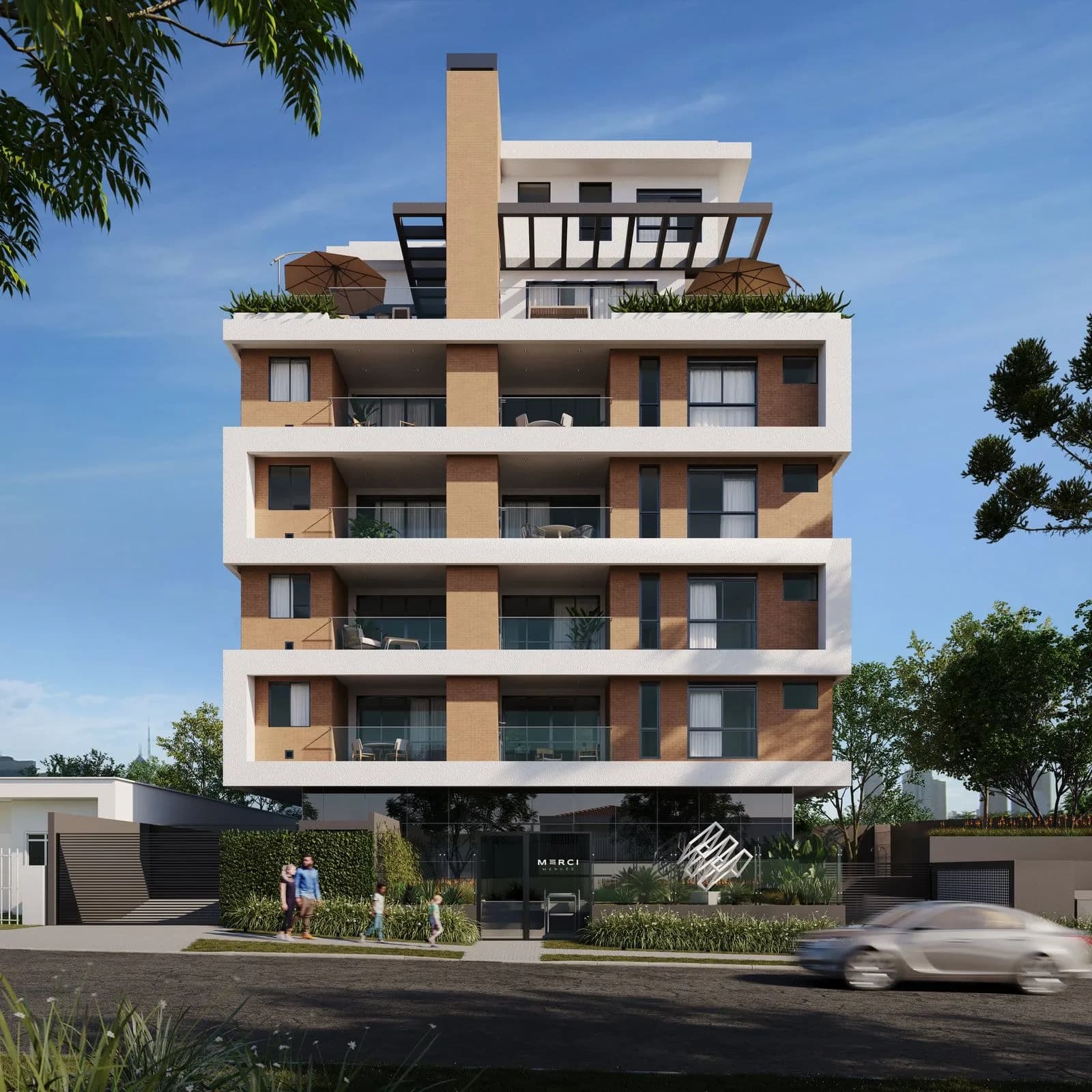
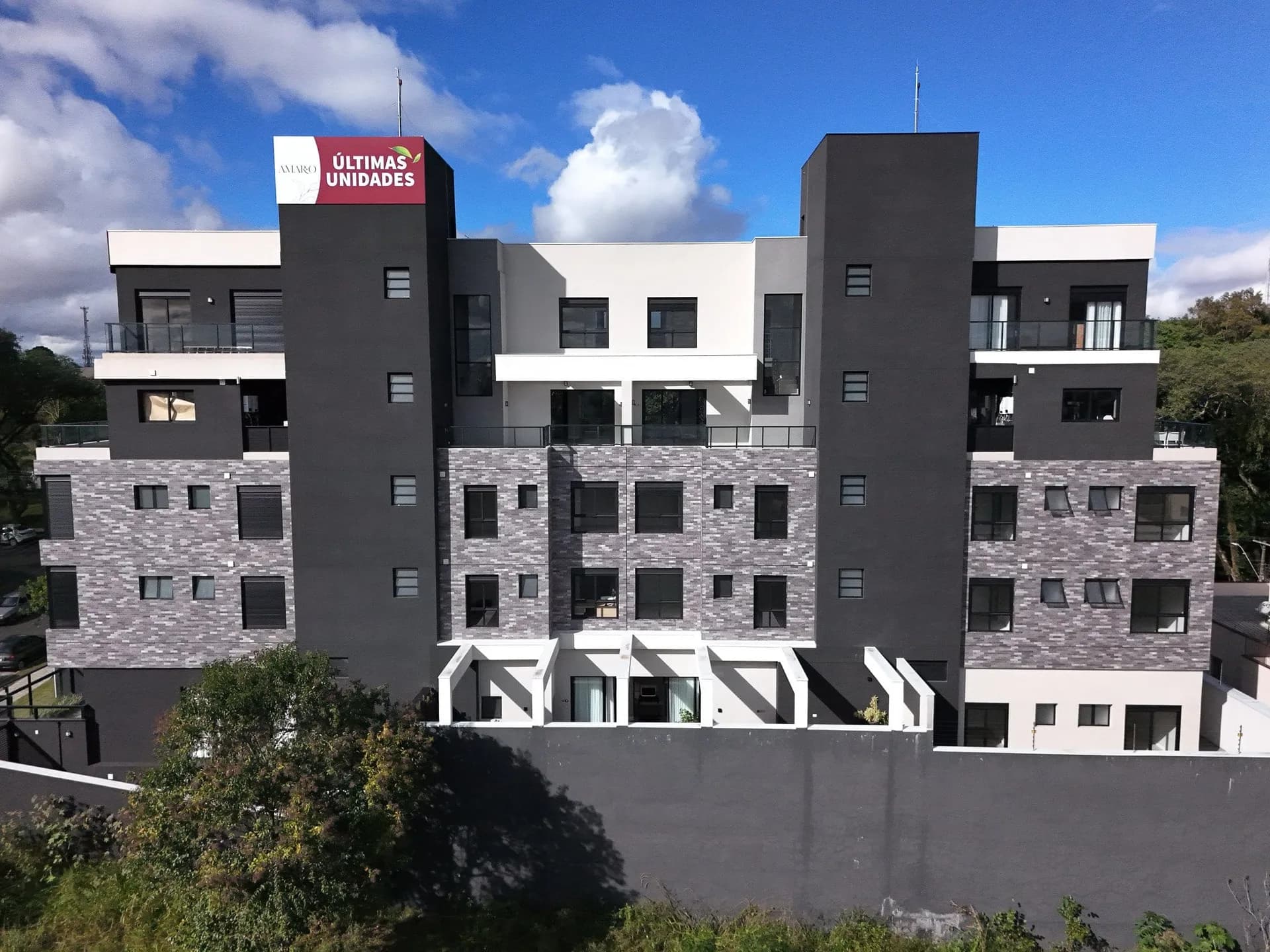
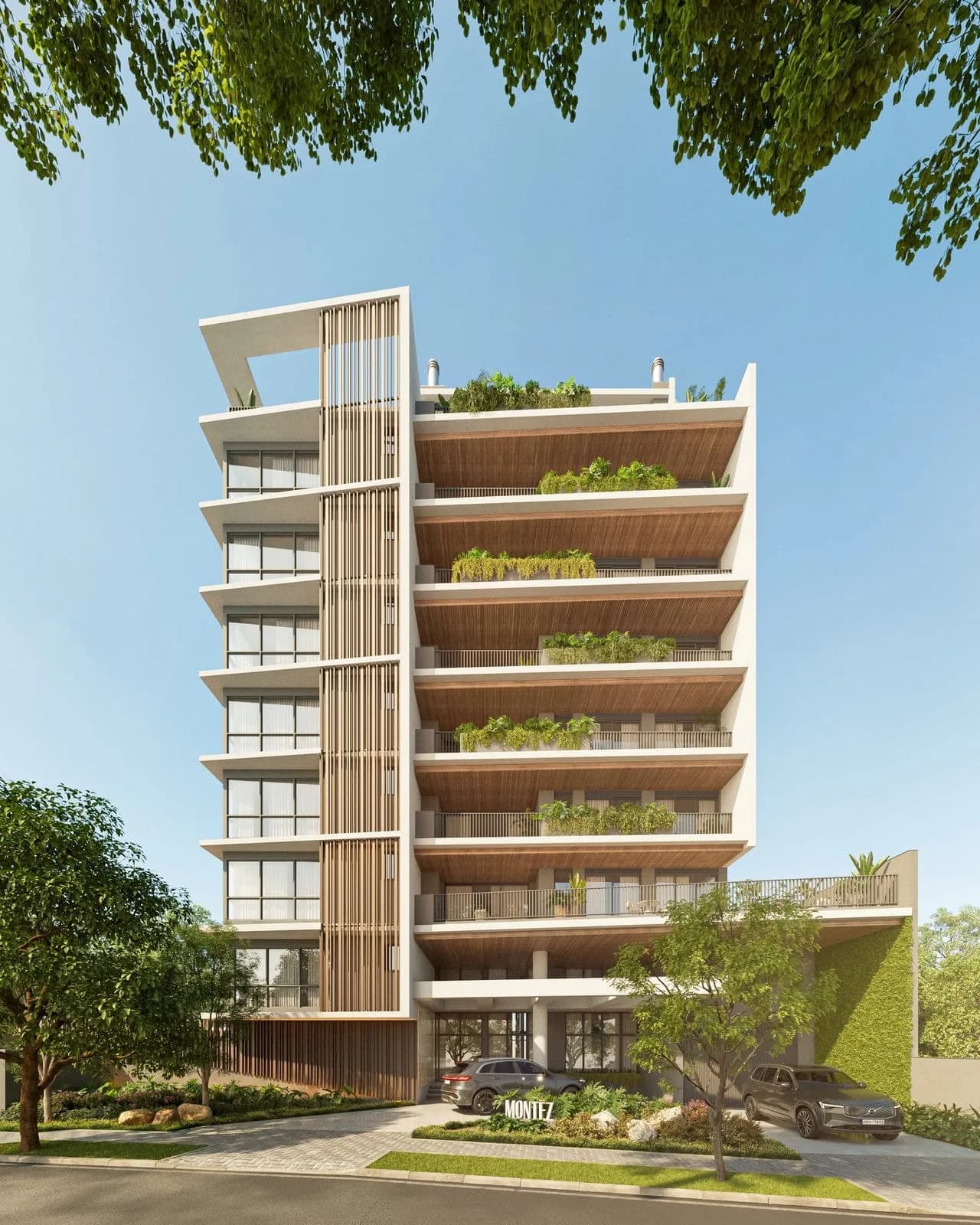
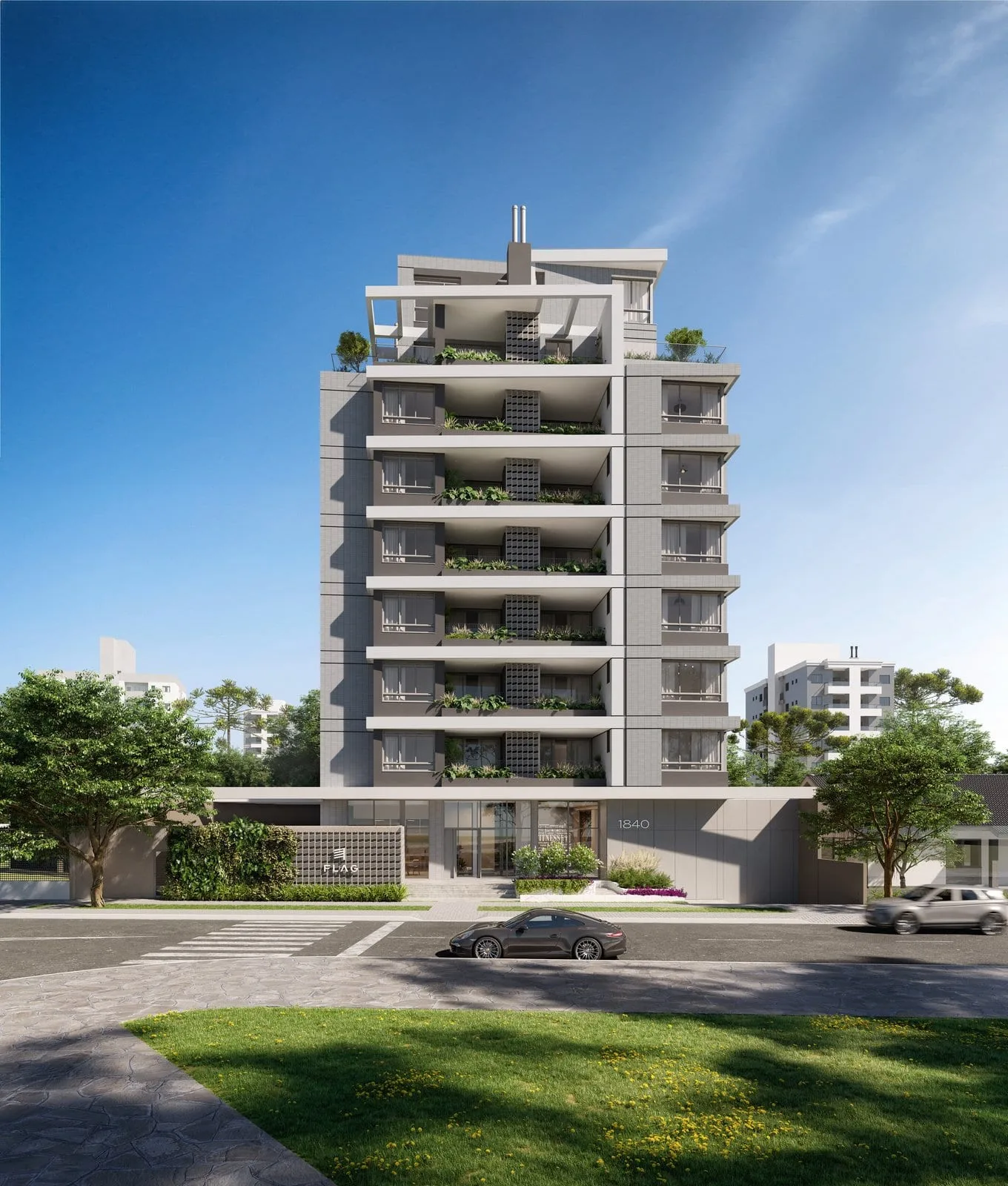
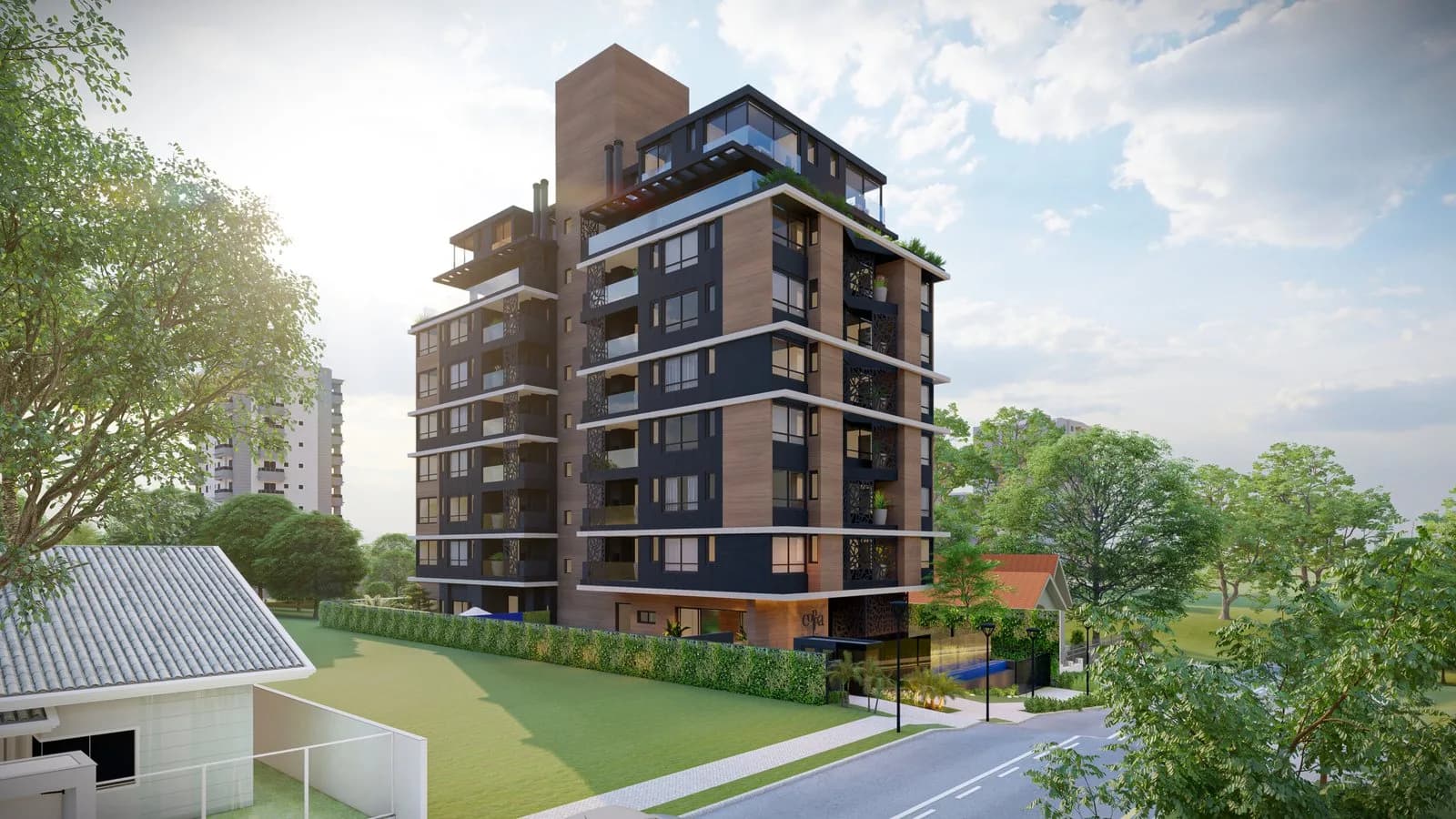
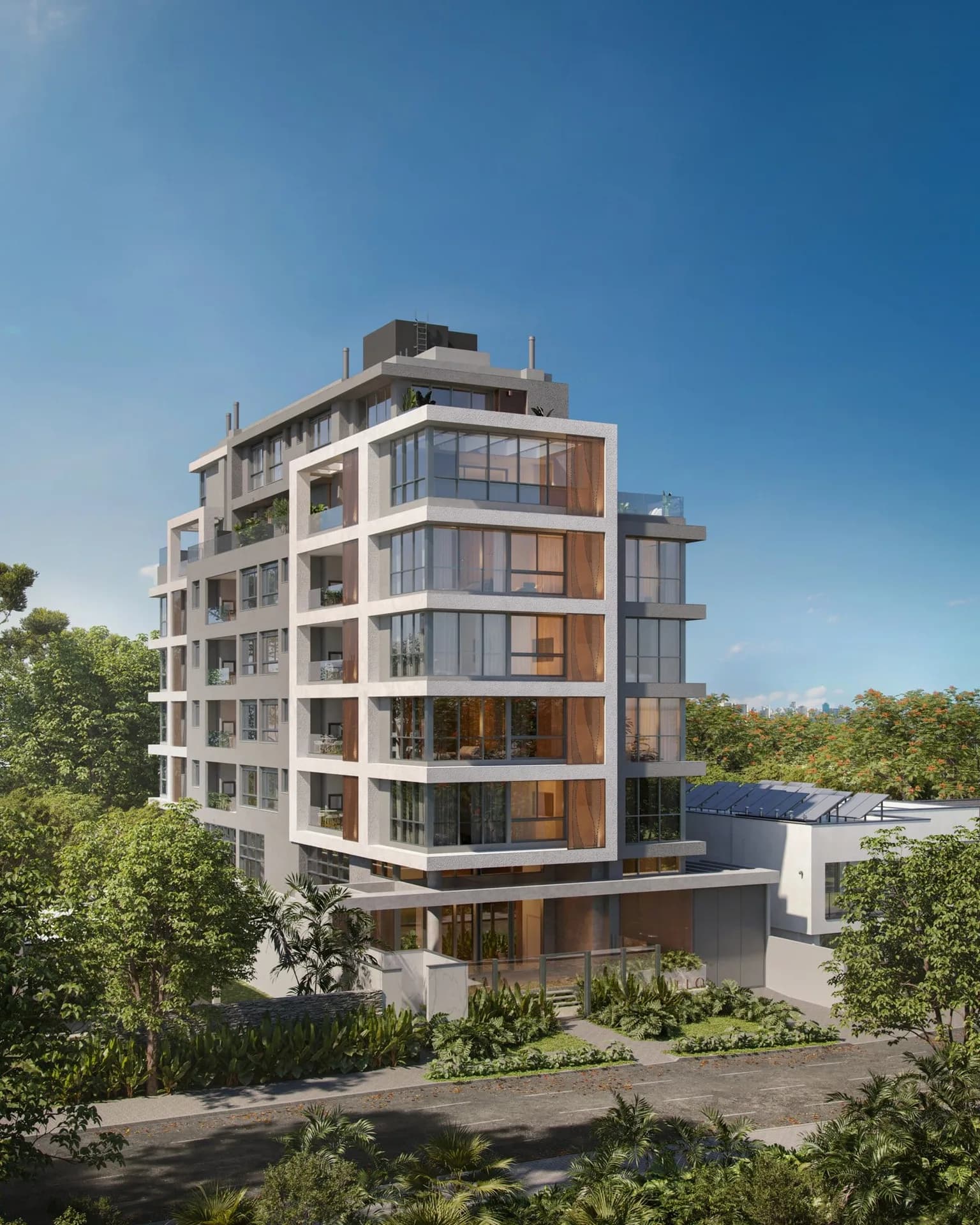
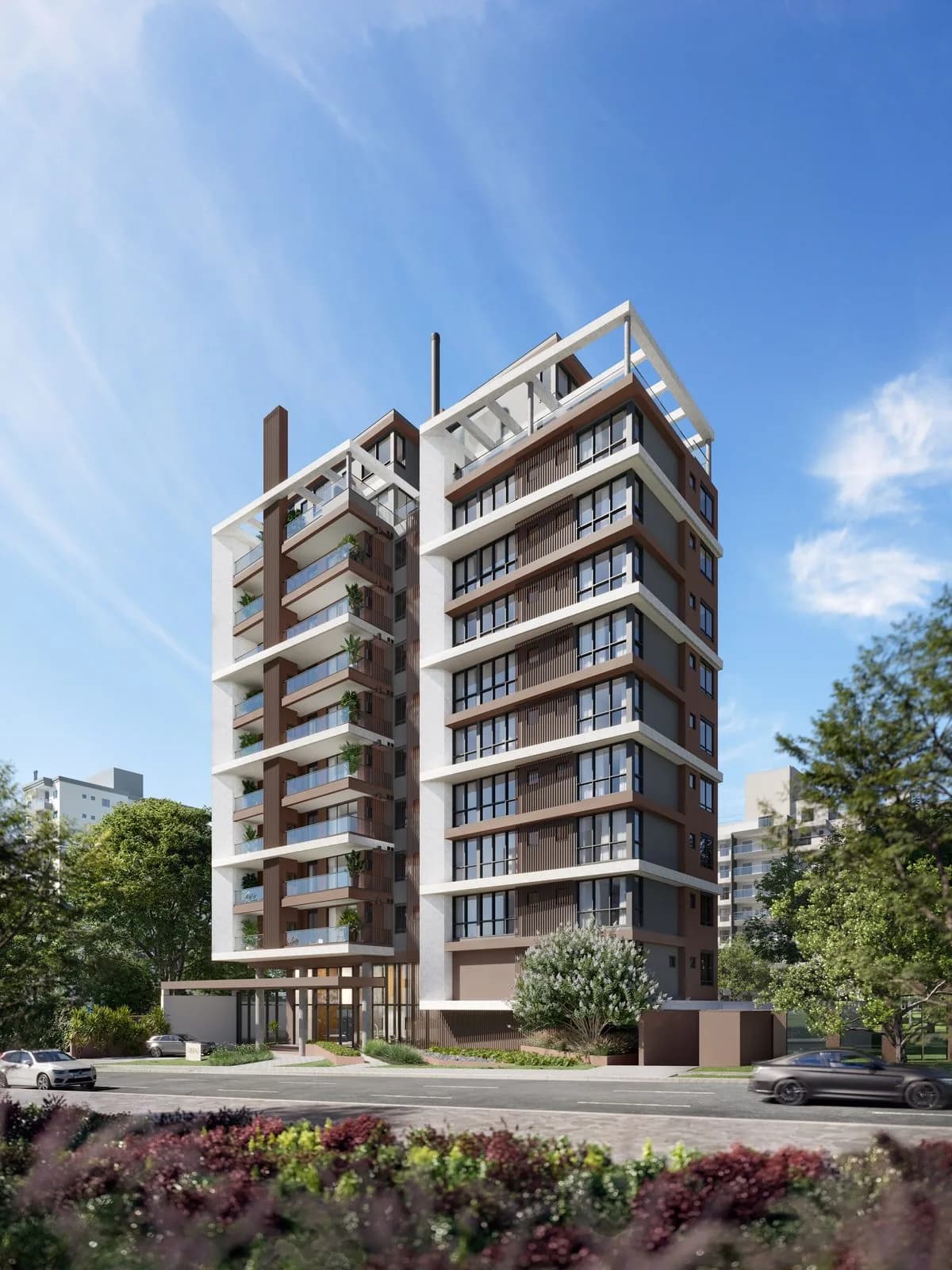
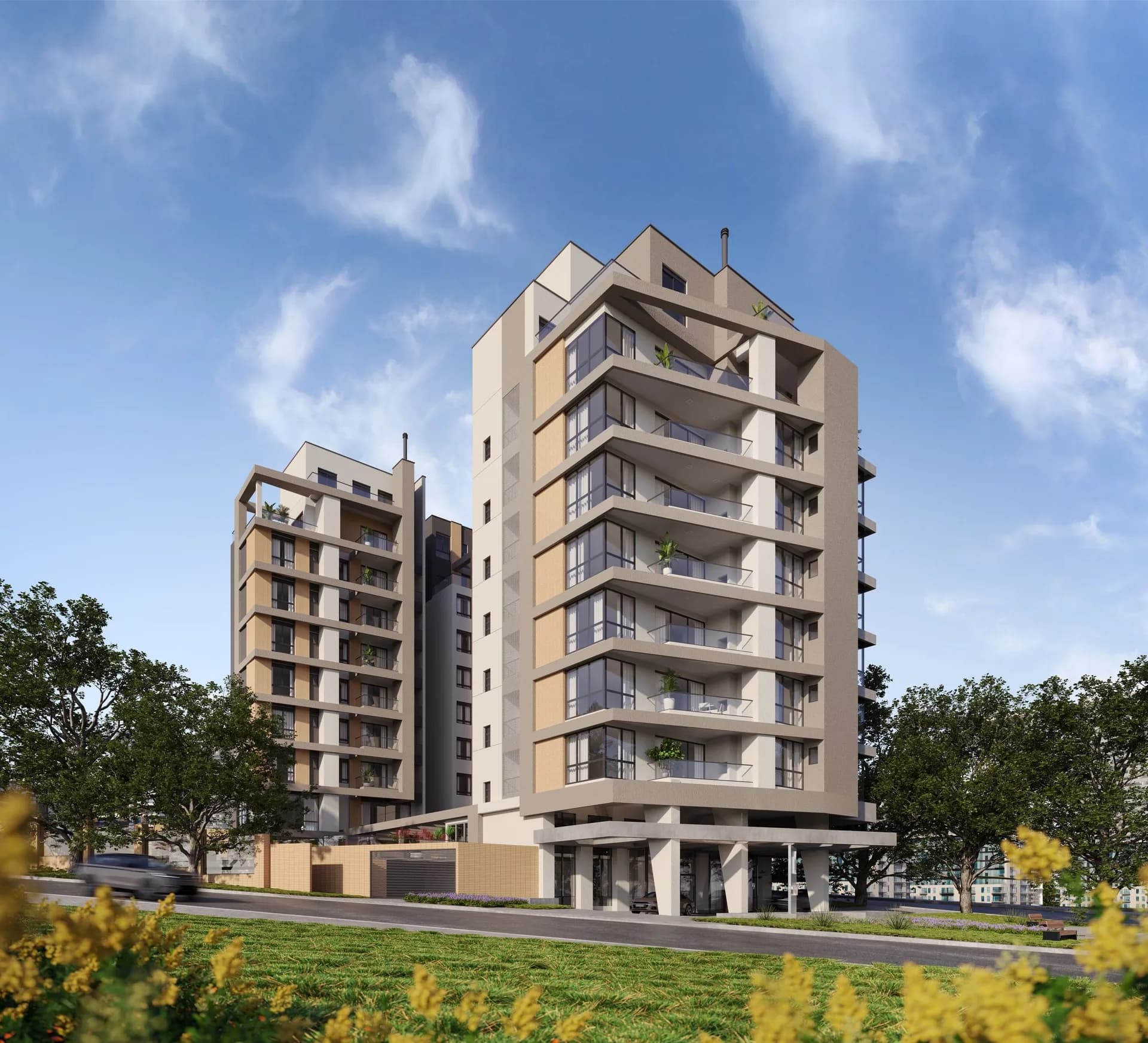
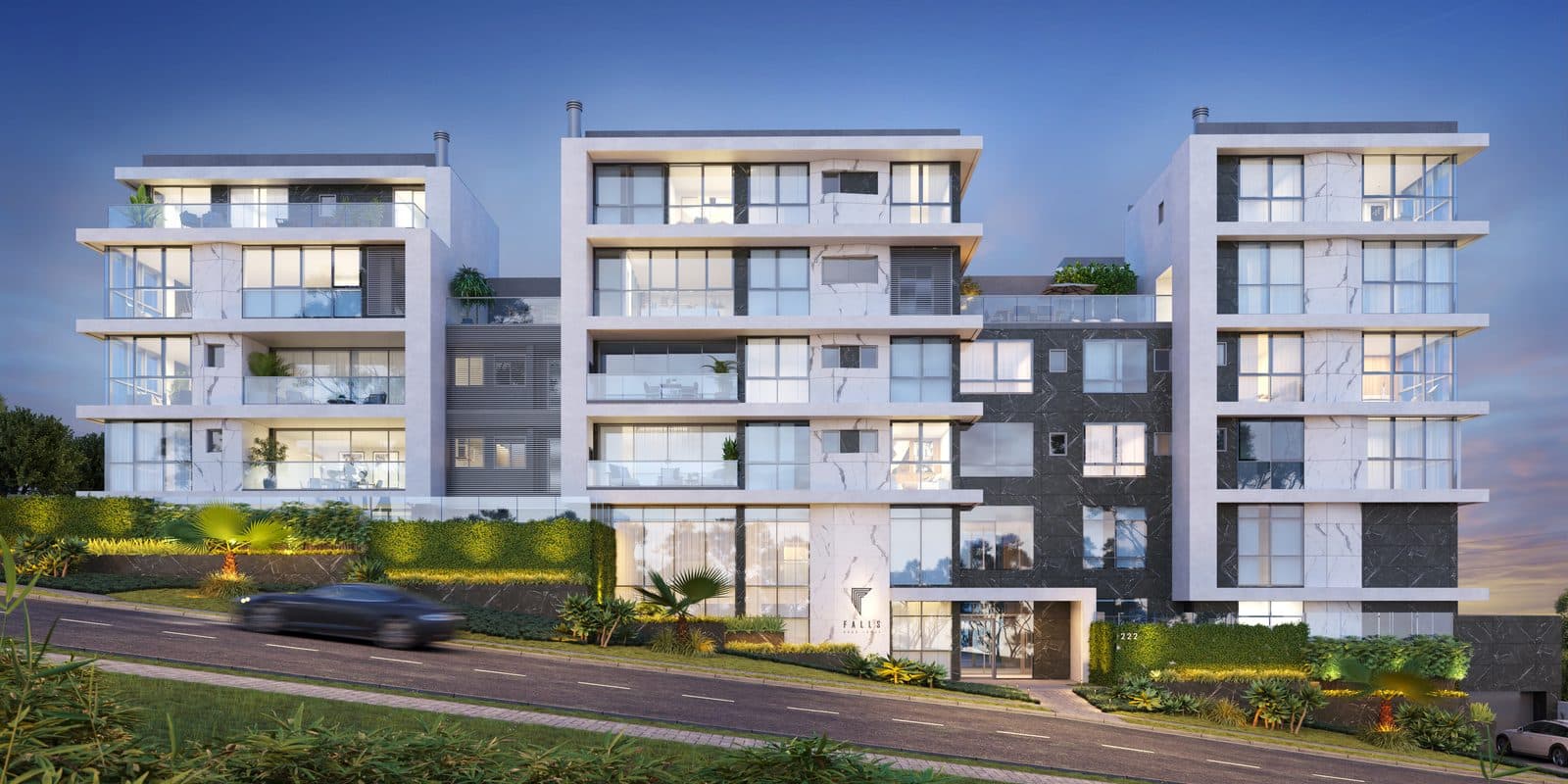
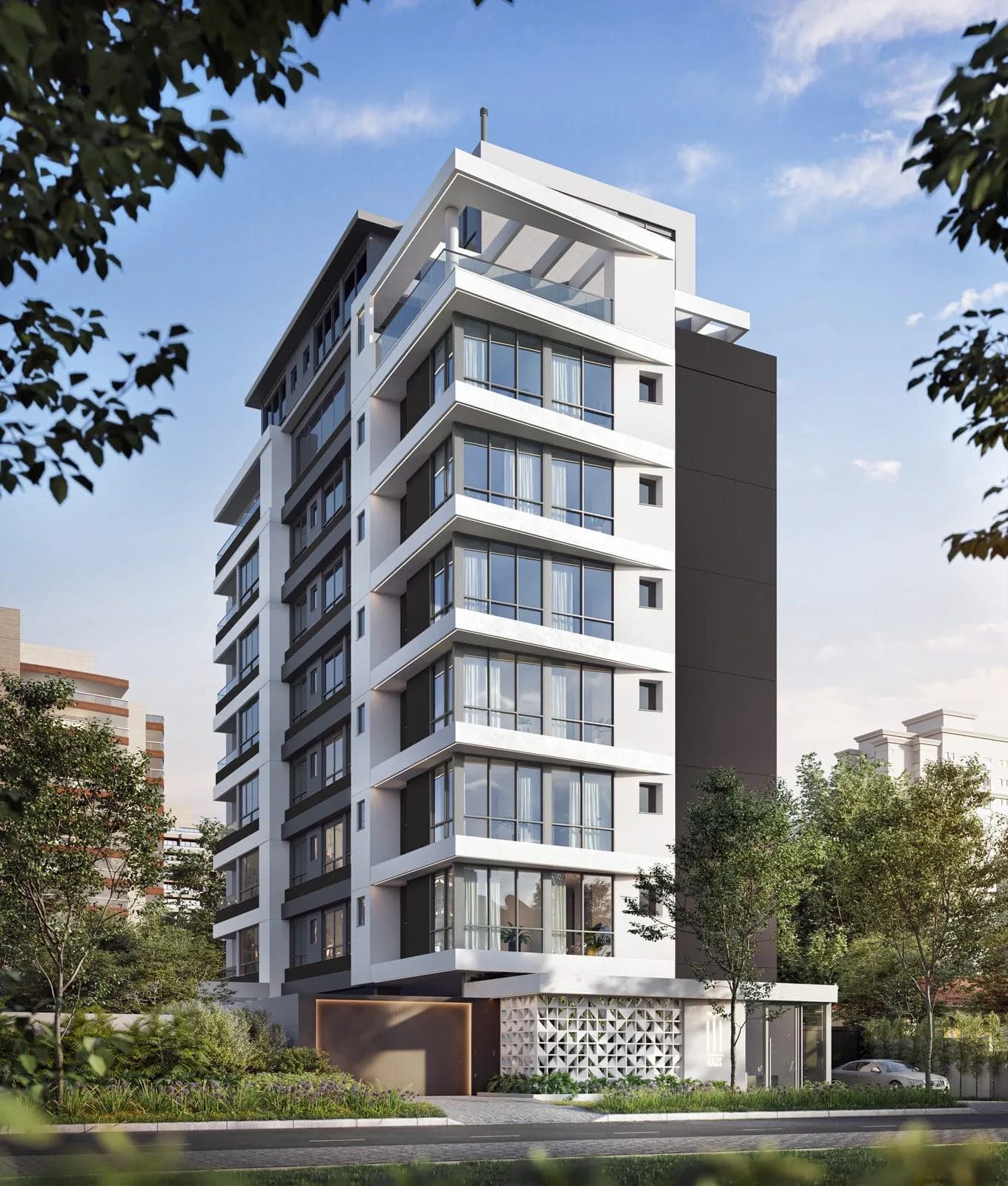
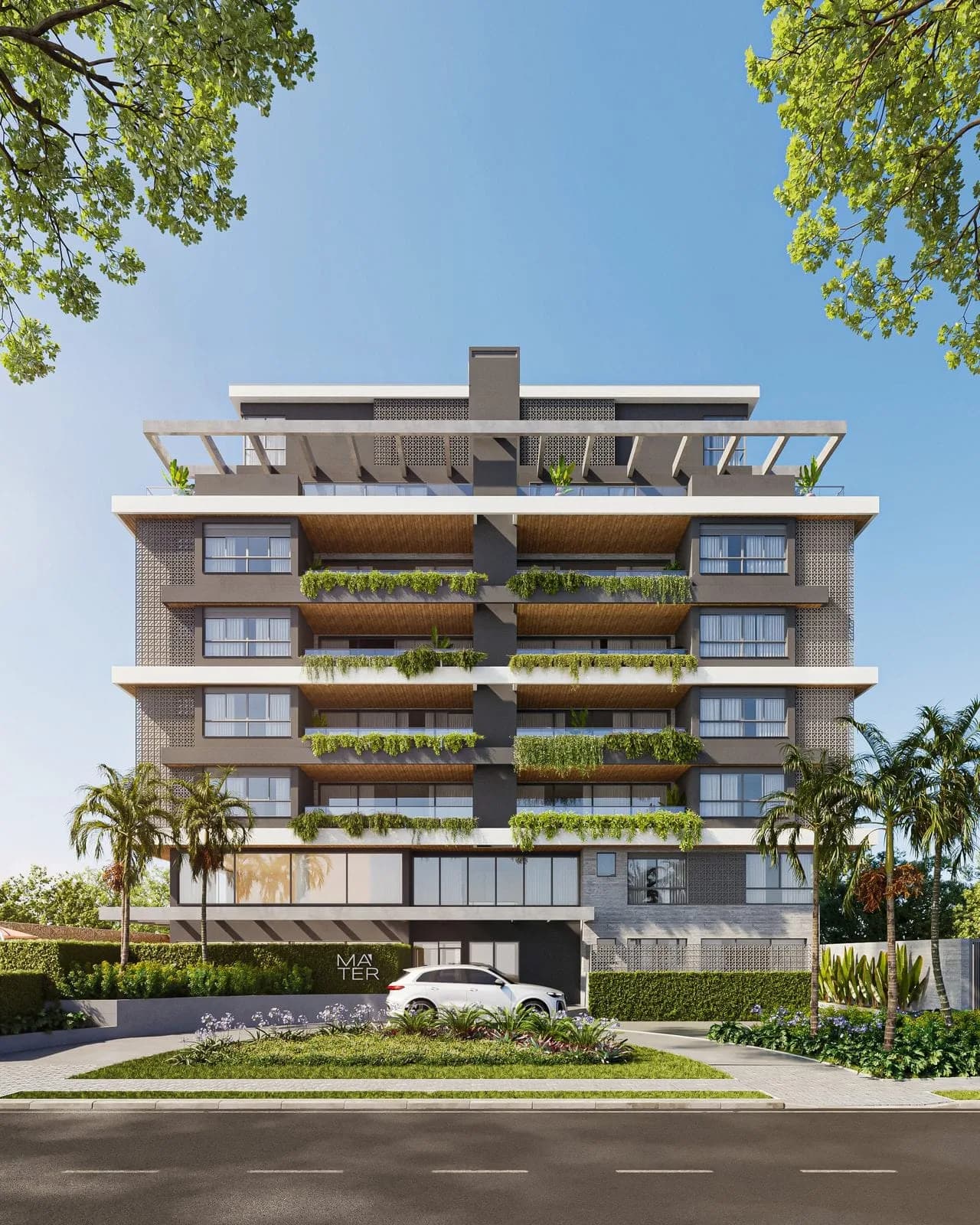
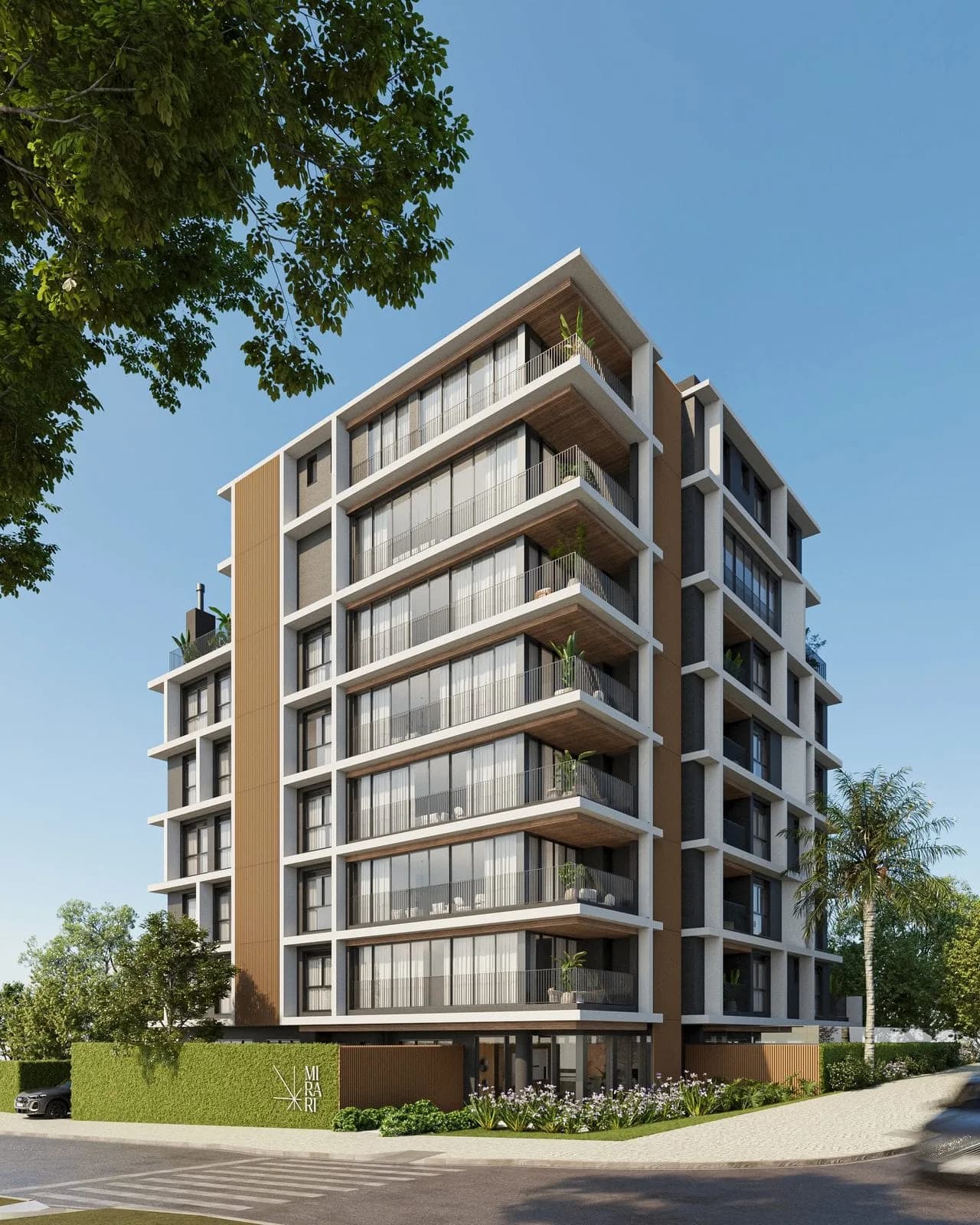
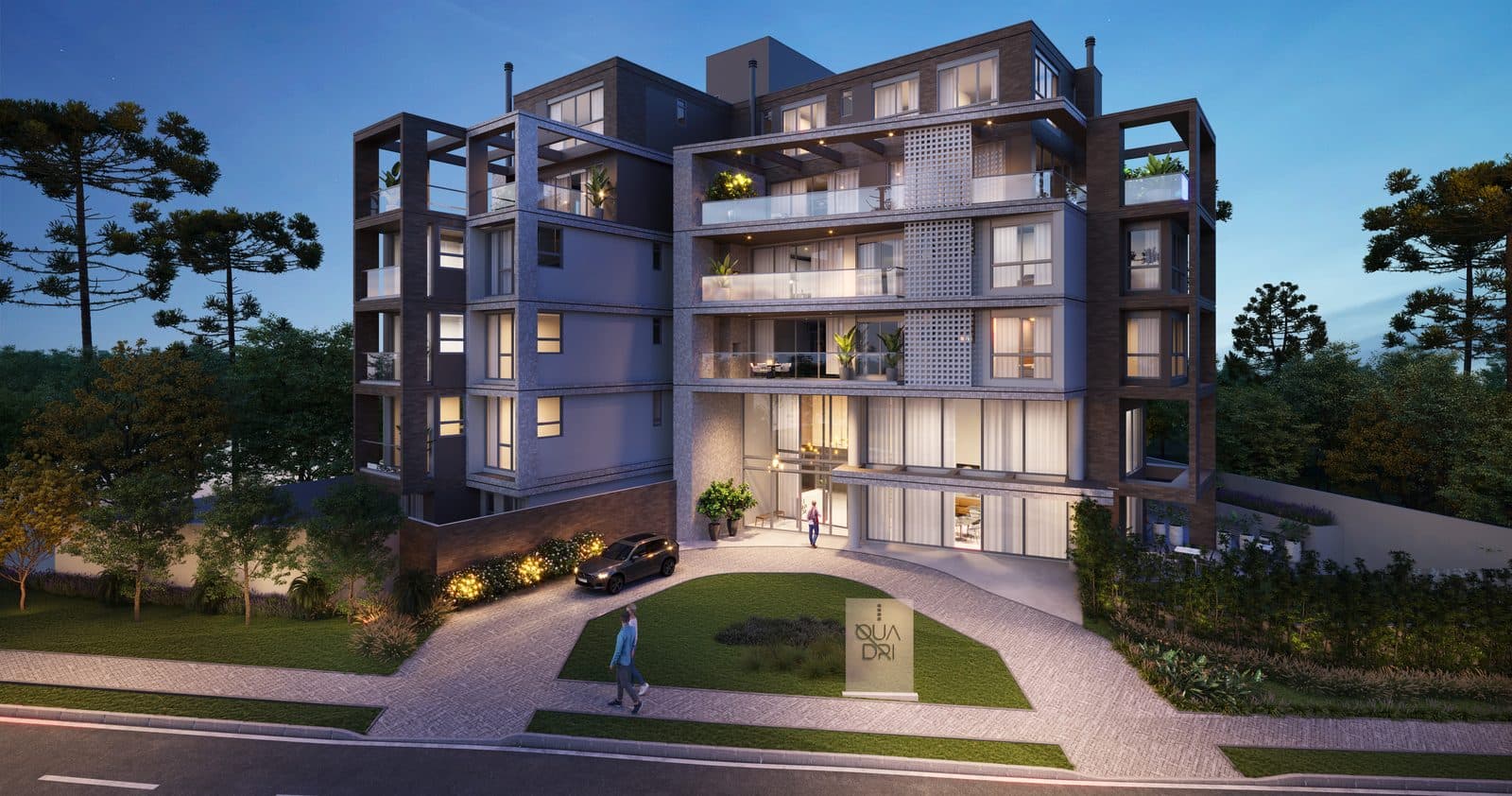
The buildings also went beyond the capital. In São José dos Pinhais, the company built Tarsila Residencial, in Centro, the Van Gogh Home and Van Gogh Office towers, in Cidade Jardim, and Hotel Rio Bourbon, in Águas Belas. On the coast, it built Sunset, in Caiobá. In Curitiba, most of the portfolio consists of buildings with 11 to 55 apartments in residential neighborhoods, from Hugo Lange to Mercês, with two commercial projects: Union Tower, in Água Verde, and Link-e, in Cabral.
In 2022, a house the company bought on Rua Olavo Bilac, in Batel, revealed in its basement a previously unknown mural by Poty Lazzarotto, from 1972. The builder preserved the wall and donated it to the Universidade Federal do Paraná in 2024.
The company describes three rules for starting a project: the necessary capital must be 100% raised and secured, the development is registered under a segregated-asset structure (patrimônio de afetação), and all designs are finished and integrated before construction. Since 2007, according to Gazeta do Povo, it has supported the dance company of the Instituto Guerreiro de Arte-Reabilitação, which works with children and teenagers with neurological disorders.
In 2025, the Curitiba City Council honored the company for its 25 years and recorded the four partners as its founders. They still lead Porto Camargo, which in 2026 reported more than 100 houses and 45 buildings in Curitiba, the metropolitan region and on the coast.