Finishes, architecture and design
Spa at home: sauna, ofuro tub and private gym
Spa and wellness at home in high-end properties: dry vs. wet sauna, ofuro tub, private gym and relaxation room. How to design it with proper ventilation.
By Fernando Moreno
Quick answer: a spa at home brings together, in a space designed for well-being, features such as a sauna (dry/Finnish or wet/steam), an ofuro or soaking tub, a private gym, a relaxation area and, sometimes, a heated pool. The project requires technical care with ventilation, waterproofing, electrical and plumbing and moisture-resistant materials. It is one of the strongest trends in the high-end market — "wellness real estate" — and it adds value to the property by bringing home what used to exist only in clubs and hotels.
Health and well-being have become the new luxury. In high-end homes, this translates into bringing the experience of a spa indoors — a space dedicated to relaxing, caring for the body and slowing down. It is the domestic expression of the wellness movement, which connects the home to quality of life and to biophilic design. Here is how to design each element.
What a residential spa (wellness at home) is
There is no single formula: a residential spa is put together according to the space and the lifestyle. It can range from a compact spa bathroom with a sauna and a tub to a complete wellness wing, with a gym, a massage room and a heated pool. The common thread is the same: a space designed for relaxation and self-care, with high-end aesthetics and comfort. It is an amenity that many families have come to value more than extra square meters.
Dry sauna vs. wet sauna
The sauna is the most classic feature — and the first decision is between the two types:
| Type | How it works | Sensation |
|---|---|---|
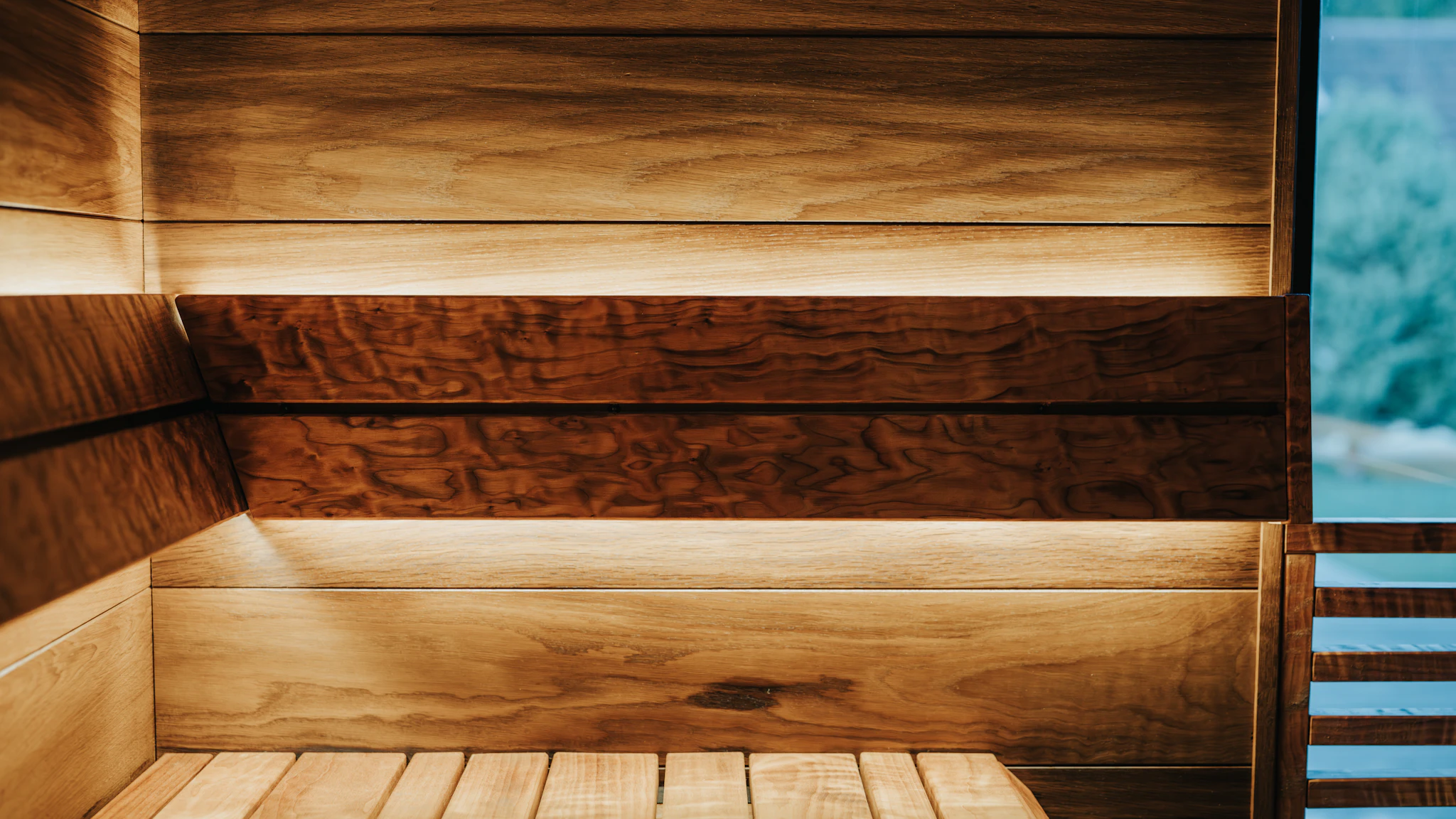
| Dry (Finnish) | An electric heater warms the air; low humidity, high temperature | Dry, intense heat |
| Wet (steam) | A steam generator saturates the air with moisture; milder temperature | Enveloping steam, good for the airways |
Some people prefer the dry sauna, others love the wet one — and large projects can fit both. Both require heat- and moisture-resistant finishes (specific wood in the dry sauna; porcelain tile/stone in the wet one), good sealing and suitable electrical/plumbing work.
Ofuro and soaking tub
Immersion in hot water is the heart of relaxation. The options:
- Ofuro: a soaking tub (traditionally made of wood, now also in other materials) for a deep, relaxing soak. It can be indoors or integrated into a terrace.
- Soaking tub / whirlpool: versions with jets, heating and chromotherapy add to the spa experience.
Placing the ofuro next to a view, greenery or the gourmet terrace heightens the sense of retreat. Waterproofing and a well-designed drain are essential.
Private gym (home gym)
Working out at home has become a priority. A well-built private gym needs:
- Appropriate flooring (rubber/vinyl) that absorbs impact and protects the structure.
- Ventilation and climate control — an enclosed room used for exercise needs good air exchange.
- Mirrors and lighting, both generous.
- Electrical outlets and structure for the equipment.
- Ideally, natural light and a view of greenery, connecting it to well-being.
Even a compact space, if well designed, replaces trips to the gym and adds value to the property.
Relaxation room, massage and heated pool
More complete projects add:
- Relaxation/massage room — a quiet space, soft lighting, aromatherapy.
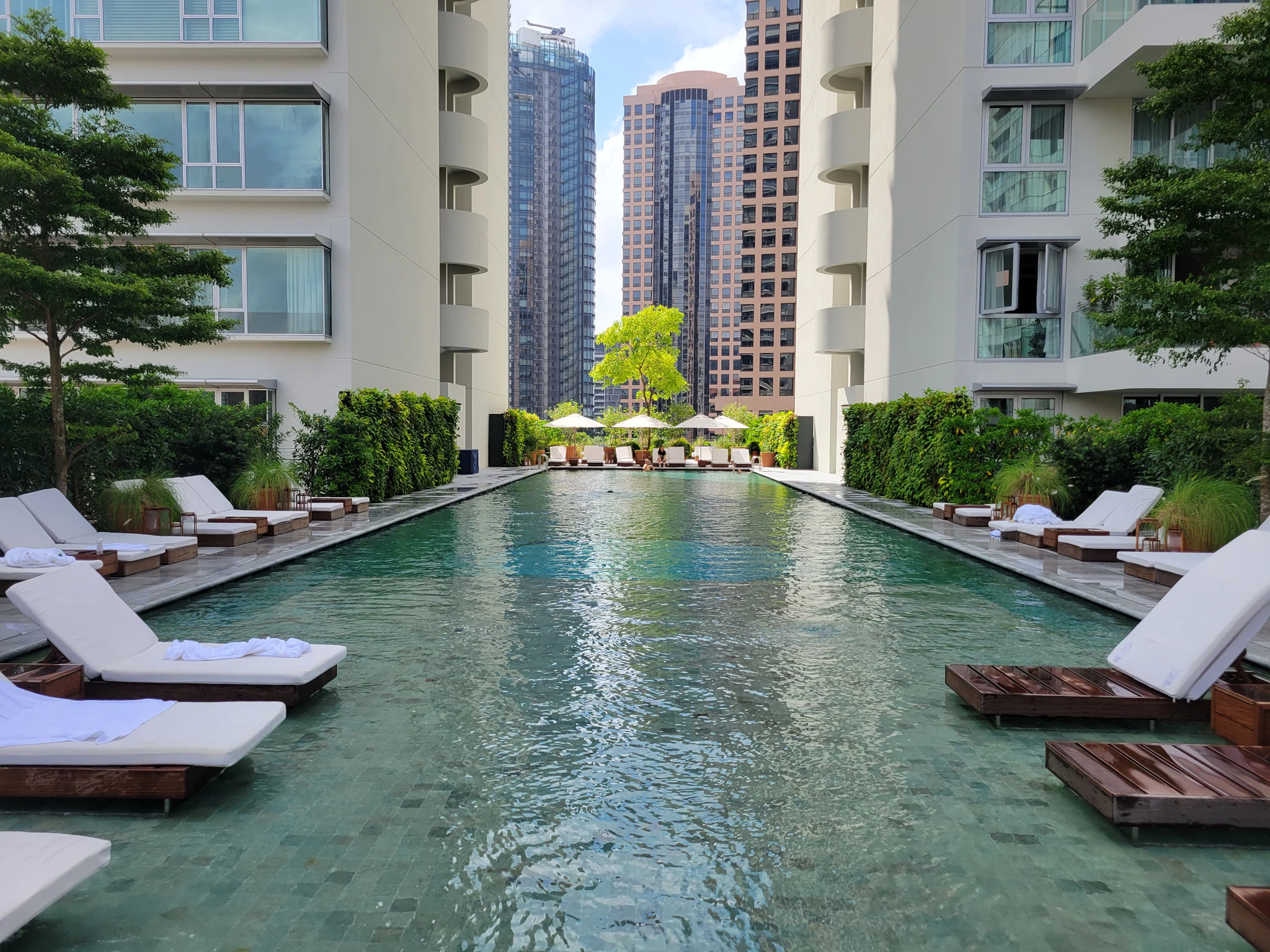
- Heated pool or lap lane — for those who want to swim year-round, especially in Curitiba's cold climate.
- Scotch hose / water experiences — hot and cold contrast.
- Zen / meditation space, often integrated with the garden.
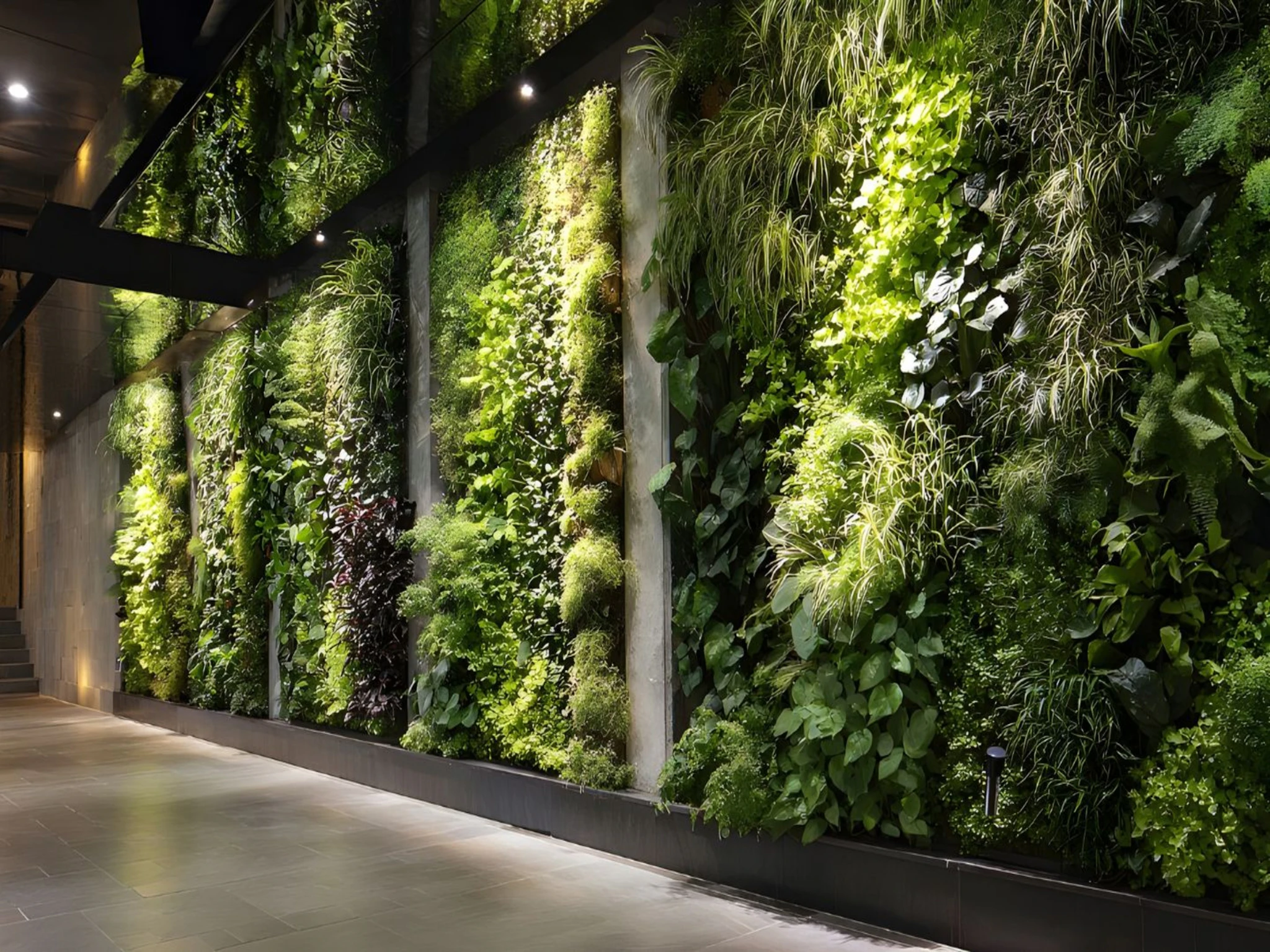
Integration with nature — light, plants, natural materials — is what transforms these spaces, a central principle of biophilic design.
The technical design: what cannot be missing
The spa is one of the most technically demanding spaces. Pay attention to:
- Ventilation and exhaust — they control humidity and prevent mold (critical in wet saunas and wet areas).
- Waterproofing of floors and walls, done rigorously.
- Electrical and plumbing properly sized (saunas and heating require a specific load; everything with grounding and safety).
- Materials resistant to moisture and temperature changes.
- Thermal insulation for energy efficiency.
Mistakes here lead to leaks, mold and high bills. It is a project for specialized professionals.
Is it worth it? Well-being and appreciation
A residential spa delivers two returns: quality of life day to day and appreciation of the property. The wellness movement is one of the most consistent trends in the high-end market, and well-executed wellness spaces are a strong selling point. As always, the value comes from the quality of the design: a well-resolved spa delights; an improvised one, with moisture problems, lowers the property's value. See the context in high-end finishes.
Common mistakes when setting up a spa at home
- Underestimating ventilation and waterproofing — the No. 1 cause of mold and leaks.
- Undersizing the electrical/plumbing for the sauna and heating.
- Using materials unsuited to moisture and heat.
- Forgetting climate control in the private gym.
- Ignoring integration with natural light and greenery, which is what creates the sense of well-being.
- Treating it as a simple building job — a spa requires specialized design.
Questions people also ask
How much space do you need to set up a spa at home?
Even a compact, well-designed space can hold a residential spa — a sauna, an ofuro or a relaxation area fits into just a few square meters. More complete projects, with a heated pool, a gym and a massage room, naturally require more area. What defines the result is the quality of the technical design, not just the size.
Is a heated pool worth having in a house in Curitiba?
Yes, in Curitiba's cold climate a heated pool is especially valued, because it allows year-round use, not just in summer. Solar heating combined with a good cover or an enclosure reduces operating costs. It is a feature that adds comfort and helps the property appreciate.
What maintenance does a residential sauna need?
A sauna requires properly sized ventilation and exhaust to control humidity and prevent mold, along with regular cleaning and care for the electrical system. Wet (steam) saunas call for extra attention to the waterproofing of wet areas. Heat- and moisture-resistant materials and preventive maintenance avoid the most common problems.
What is a Scotch hose?
A Scotch hose is a hydrotherapy experience that alternates jets of hot and cold water over the body, stimulating circulation and muscle relaxation. It is common in more complete residential spa projects, integrated with the sauna and the relaxation area. It requires plumbing suited to the temperature contrast.
Frequently asked questions
What is the difference between a dry and a wet sauna?
A dry (Finnish) sauna heats the air with low humidity and a higher temperature, producing dry heat. A wet (steam) sauna saturates the air with moisture at a milder temperature, with enveloping steam that is pleasant for the airways. They are different experiences — large projects can fit both.
What do you need to have a spa at home?
It depends on the space, but it generally involves a sauna, an ofuro or soaking tub, a private gym and a relaxation area. Technically, it requires ventilation and exhaust, waterproofing, properly sized electrical and plumbing, and materials resistant to moisture and heat.
Does a residential spa add value to a property?
Yes. Well-being is one of the strongest trends in the high-end market, and well-executed spa spaces are a strong selling point. The value depends on the quality of the design — a well-resolved spa adds value; one with moisture problems does the opposite.
Does a home gym need special care?
Yes. Ideally it has rubber flooring that absorbs impact, good ventilation or climate control (an enclosed room used for exercise needs air exchange), lighting and mirrors, plus electrical outlets and a structure compatible with the equipment.
Dreaming of a property with room for your own wellness space? At Antológica you will find high-end developments in Curitiba designed for quality of life. Talk to Antológica or see how we work.
Free download: the Curitiba High-End Property Buyer's Guide, with neighborhoods, costs, paperwork and the checklist of what to assess before you buy.
Content produced by Fernando Moreno, partner at Antológica and specialist in Curitiba's high-end real estate market.