Finishes, architecture and design
Climate-controlled wine cellar at home: how to design it
Home climate-controlled wine cellar: ideal temperature and humidity, insulation, lighting and materials to design a luxury cellar that preserves and adds value.
By Fernando Moreno
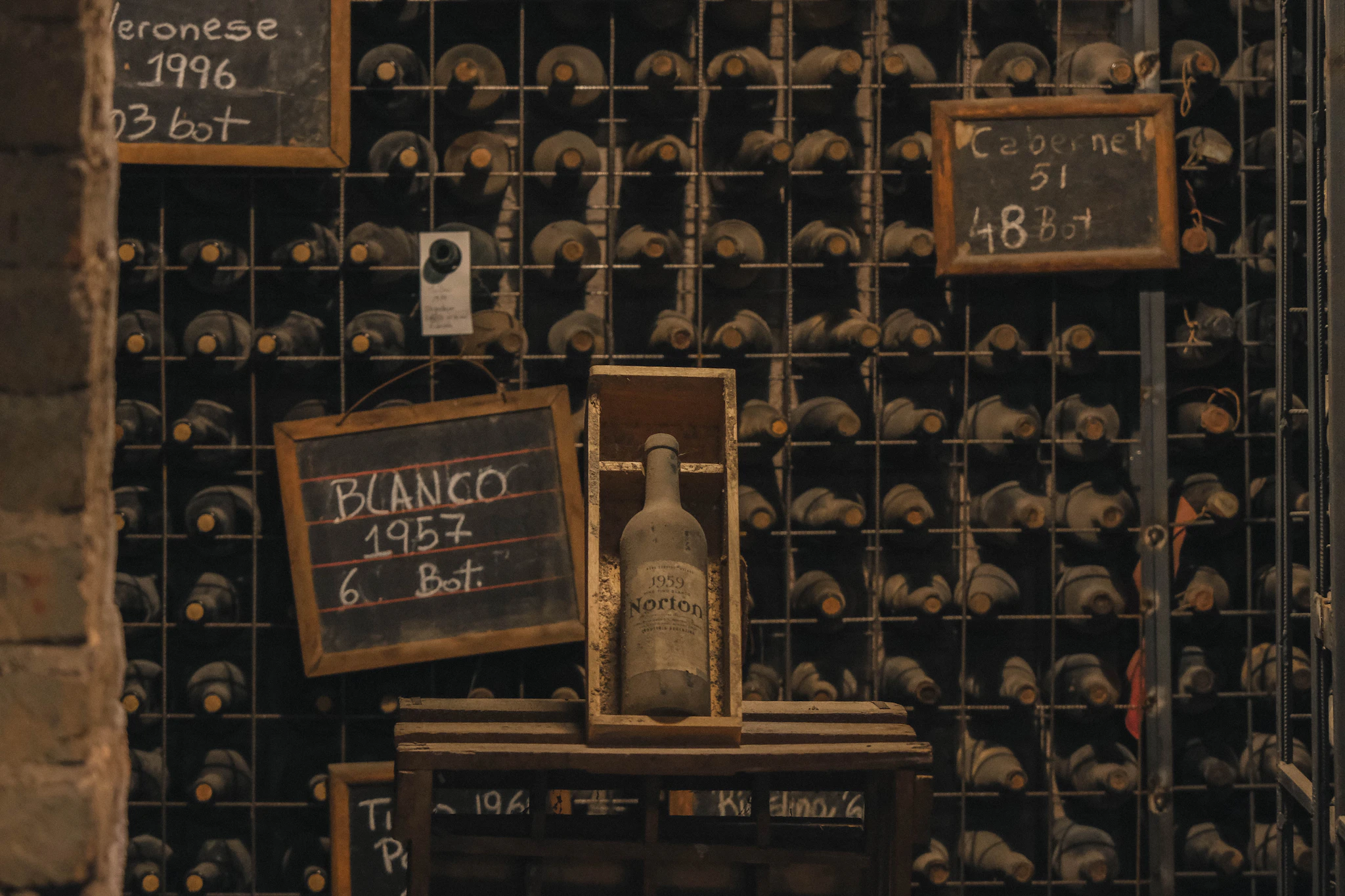
Quick answer: a home climate-controlled wine cellar keeps wine in ideal conditions: a stable temperature between ~12 and 14 °C, humidity of 60% to 70%, protection from light (especially UV) and minimal vibration, with bottles stored on their side. To design one, choose the location (away from heat and vibration), ensure thermal insulation, install a dedicated wine cellar cooling unit, choose suitable materials (wood, glass, stone), use low-intensity cool lighting and size the capacity. Done well, it is an amenity and a value driver in a high-end home.
The climate-controlled wine cellar has become one of the most coveted features of high-end homes — a symbol of a lifestyle that values fine food and entertaining. But beyond aesthetics, it has a technical function: preserving good wines requires specific conditions. Here is how to design a cellar that truly works. For context on rooms and finishes, see high-end finishes.
The ideal conditions for storing wine
Four factors define good storage:
| Factor | Ideal condition | Why |
|---|---|---|
| Temperature | ~12–14 °C, stable | Sudden swings age or spoil the wine |
| Humidity | 60% to 70% | Keeps the cork moist and sealed; prevents mold |
| Light | Low, no UV | Light (especially UV) degrades wine |
| Vibration | Minimal | Vibration disturbs the wine's rest and evolution |
Stability matters more than the exact number: constant fluctuations do more harm than a temperature slightly above the ideal, as long as it is stable. That is why dedicated climate control matters.
Why a regular air conditioner is not enough
A home air conditioner cools, but it dries out the air (bringing humidity down) and does not keep the temperature as stable and low as wine requires. The solution is a dedicated wine cellar cooling unit (cellar conditioner), which controls temperature and humidity within the right range. For smaller cellars, there are also ready-made wine fridges/countertop wine coolers; for larger rooms (walk-in), a dedicated cooling unit is the way to go.
Step by step to design the cellar
1. Choose the right location
Choose a spot that is indoors, cool and out of the sun, away from heat sources (stove, motors) and vibration (machine rooms, laundry area). Spaces under stairs, corners of the living room or a dedicated room work well.
2. Ensure thermal insulation
This is the most important technical step and the most often forgotten. The cellar must be thermally insulated (walls, ceiling, floor and door) so the cooling unit works efficiently and maintains stability. Glass, when used, should be double-paned/insulating. Without good insulation, the energy bill goes up and the temperature fluctuates.
3. Install the right cooling unit
Size the unit according to the cellar's volume and bottle capacity. An undersized unit cannot keep up; a good design takes into account the room's thermal load.
4. Plan the lighting
Use cool LED light, low-intensity and UV-free, ideally switched on only when in use. Lighting enhances the display of the bottles, but it must not heat or degrade the wine. See the principles in luxury lighting design.
5. Choose the materials
- Wood: a classic for racks and niches (it holds up well to controlled humidity and looks good).
- Glass: insulating glass walls turn the cellar into a design piece integrated into the room.
- Stone and metal: they complete a sophisticated, durable look.
The cabinetry for the niches is usually custom-made, to make the most of the space and display the bottles elegantly. See custom cabinetry.
6. Store the bottles on their side
Bottles with natural corks should be stored on their side, so the wine keeps the cork moist and sealed. Plan the racks to hold them this way and make access easy.
Built-in wine cooler vs. walk-in wine cellar
- Built-in / countertop wine cooler: ready-made equipment, installed in the cabinetry or the living room. Ideal for those with a smaller collection who want convenience.
- Walk-in wine cellar: a climate-controlled room (or part of one), with glass walls and niches. It is the coveted item of high-end homes — it becomes the centerpiece of the gourmet and entertaining area.
The choice depends on the size of the collection, the space and the budget.
The wine cellar and an entertaining lifestyle
The cellar is almost never on its own: it is part of the home's gourmet and entertaining area, along with the kitchen, the dining room and the gourmet terrace. It is part of a lifestyle that values entertaining well — and a differentiator that weighs on the choice (and the resale) of a high-end property. Well designed and integrated, it adds real value to the property.
Common mistakes when building a wine cellar at home
- Using a regular air conditioner instead of a wine cellar cooling unit — it dries the air and does not stabilize.
- Ignoring thermal insulation — it causes fluctuation and wasted energy.
- Exposing it to strong light or sunlight — it degrades the wine.
- Placing it near vibration or heat — it harms storage.
- Lighting that heats up — using warm or high-intensity light.
- Undersizing the cooling unit for the cellar's volume.
Questions people also ask
How many bottles should a home wine cellar hold?
There is no fixed number: home cellars range from countertop models for a few dozen bottles to walk-in rooms that hold hundreds. Ideally, size it for your current collection with room to grow, avoiding filling the cellar to capacity — which hinders air circulation. It is also worth separating everyday wines from those meant for aging, which stay in storage longer.
Where to install a wine cellar in an apartment?
In apartments, built-in or countertop wine coolers are the most practical, integrated into the cabinetry of the kitchen, living room or gourmet area. The spot should be away from heat sources (oven, stove) and vibration, with a power outlet and ventilation suited to the equipment. For larger collections, you can dedicate a room with insulating glass walls, as long as it is properly climate-controlled.
Does a climate-controlled wine cellar use a lot of energy?
Consumption depends on the size, the thermal insulation and the quality of the cooling unit. A well-insulated, properly sized cellar uses relatively little, since the equipment works less to keep the temperature stable. The biggest culprit is lack of insulation: without it, the cooling unit runs all the time and the bill goes up — which is why insulation is the most important step in the design.
Can red and white wines be kept in the same cellar?
Yes. In practice, most home cellars keep all labels at around 12 to 14 °C, a range suitable for long-term storage of reds and whites. Those who want to serve each type at its ideal temperature can choose dual-zone cellars, with two compartments at different temperatures. For storage, however, a single stable temperature does the job well.
Frequently asked questions
What is the ideal temperature for a wine cellar?
Around 12 to 14 °C, kept stable — avoiding sudden swings matters more than the exact number. Ideal humidity is between 60% and 70%, to keep the cork sealed. That is why a dedicated wine cellar cooling unit is used, not a regular air conditioner.
Can I use an air conditioner in the wine cellar?
It is not ideal. A regular air conditioner cools, but it dries the air (brings humidity down) and does not keep the temperature as stable and low as wine requires. The recommendation is a dedicated wine cellar cooling unit, which controls temperature and humidity.
How do you design a home wine cellar?
Choose a cool, indoor spot with no sun or vibration; ensure thermal insulation; install a cooling unit suited to the volume; use low-intensity, UV-free cool lighting; choose materials such as wood and insulating glass; and store the bottles on their side.
Does a climate-controlled wine cellar add value to a property?
It tends to, as it is a highly desired amenity and lifestyle feature in high-end homes, especially when well integrated into the gourmet and entertaining area. Like any feature, it adds more value when well designed and executed.
Dreaming of a property that can hold the wine cellar of your dreams? At Antológica, you will find high-end developments in Curitiba with floor plans and spaces to match. Talk to Antológica or see how we work.
Download for free the High-End Property Buyer's Guide to Curitiba: neighborhoods, costs, paperwork and a checklist of what to evaluate before buying.
Content produced by Fernando Moreno, partner at Antológica and a specialist in Curitiba's high-end real estate market.