Finishes, architecture and design
Luxury lighting: the lighting design that adds value to a home
Luxury lighting design: the three layers of light, color temperature, CRI, dimming and indirect lighting that add value to a high-end home.
By Pedro Carvalho and Fernando Moreno
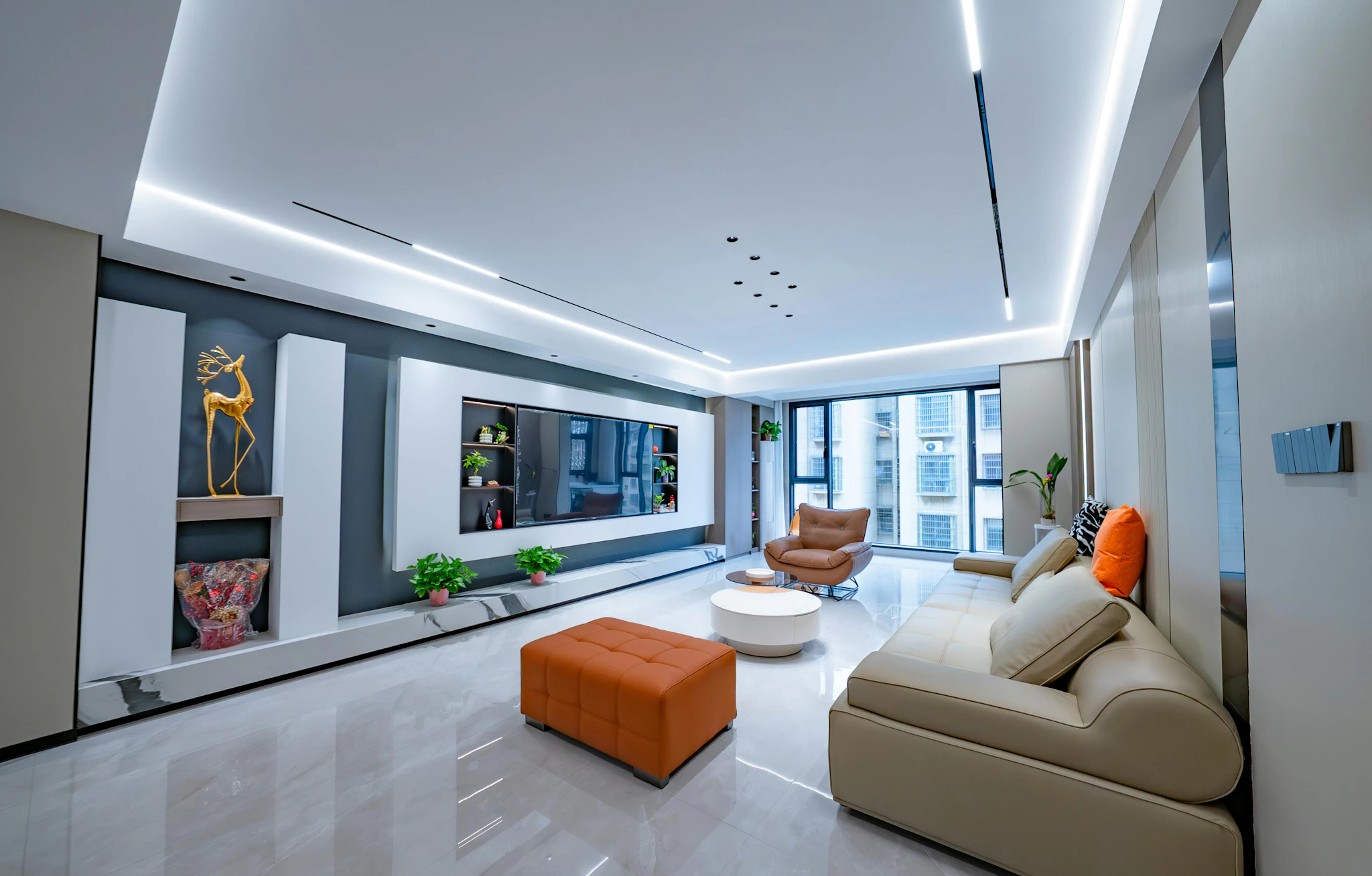
Quick answer: a good high-end lighting design works with three layers of light — general (ambient), functional (task) and accent (scenic) — combined and dimmable. The technical pillars are: the right color temperature (warm light, ~2,700–3,000 K, in living and private areas), high CRI (color rendering index above 90, for true-to-life colors), indirect lighting (coves, LED strips) and dimming with scenes. Well-designed light enhances finishes, creates atmosphere and is one of the details that most transform — and most add value to — a home.
Lighting is perhaps the most underrated and most transformative detail of a high-end home. The same fine finishes look ordinary under poorly thought-out light — and come to life under a good lighting design. Here is what makes the difference. For an overview of finishes, see high-end finishes.
The three layers of light
A professional design never relies on a single light source. It combines three layers:
1. General lighting (ambient)
The base light, which illuminates the room evenly. It comes from ceiling fixtures, coves with indirect light or distributed spotlights. It is the "fill," but on its own it is insufficient and cold.
2. Functional lighting (task)
Light directed at specific activities: the kitchen countertop, the bathroom mirror, reading in an armchair, a desk. It needs to be efficient and at the right temperature for the task.
3. Accent lighting (scenic)
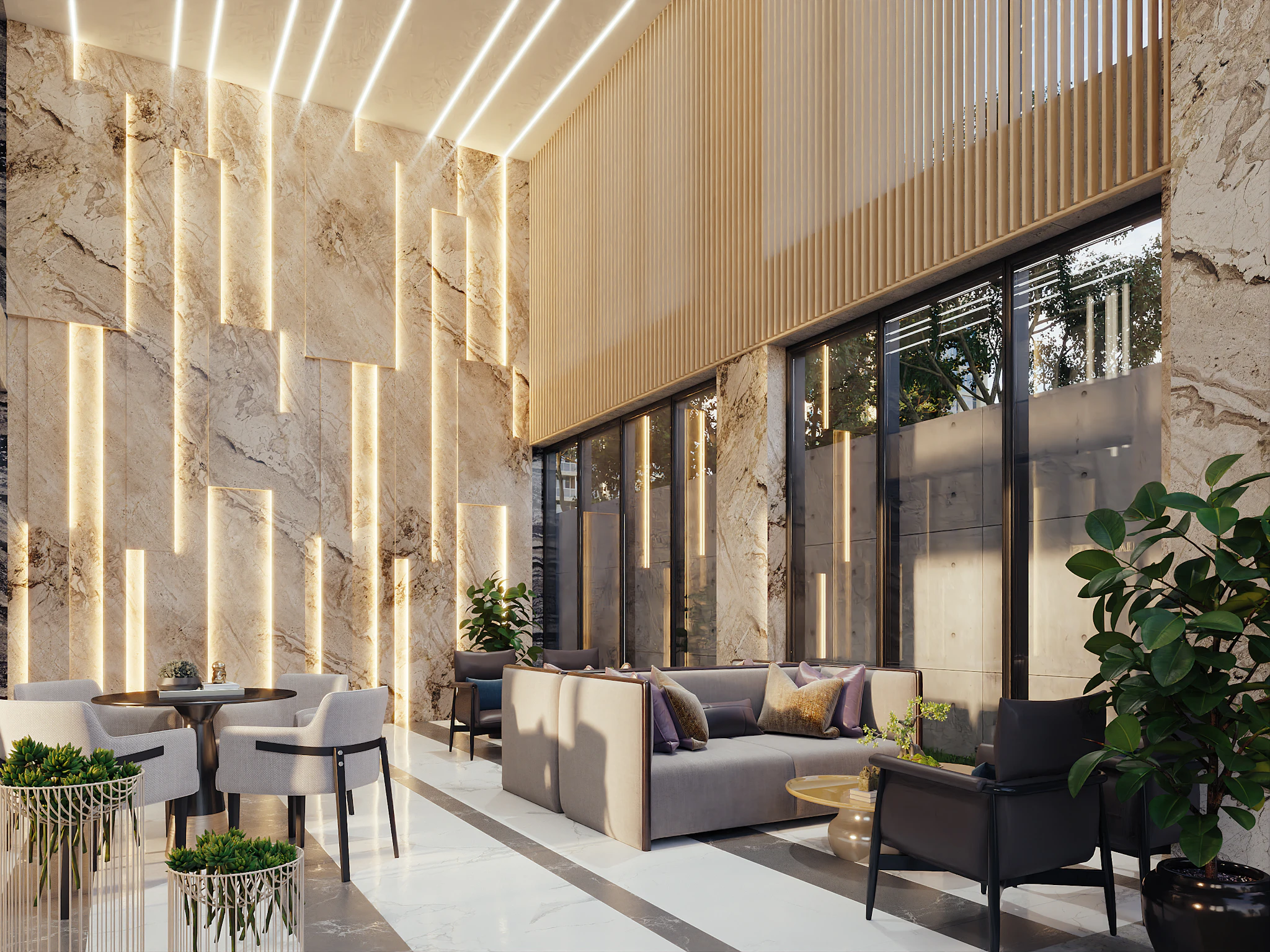
The light that creates atmosphere and highlights elements: a painting, a stone panel, a plant, a niche. It is what gives rooms their sophisticated, theatrical touch — and what "enchants" the most.
The magic lies in combining and controlling all three, adjusting them to the time of day and the occasion.
Color temperature: the soul of the atmosphere
Color temperature, measured in Kelvin (K), defines whether light is warm or cool:
| Temperature | Appearance | Where to use it |
|---|---|---|
| 2,700–3,000 K | Warm, yellowish, welcoming | Living rooms, bedrooms, social and private areas |
| 3,500–4,000 K | Neutral | Kitchens, work areas, walk-in closets |
| Above 5,000 K | Cool, bluish | Rarely in high-end homes |
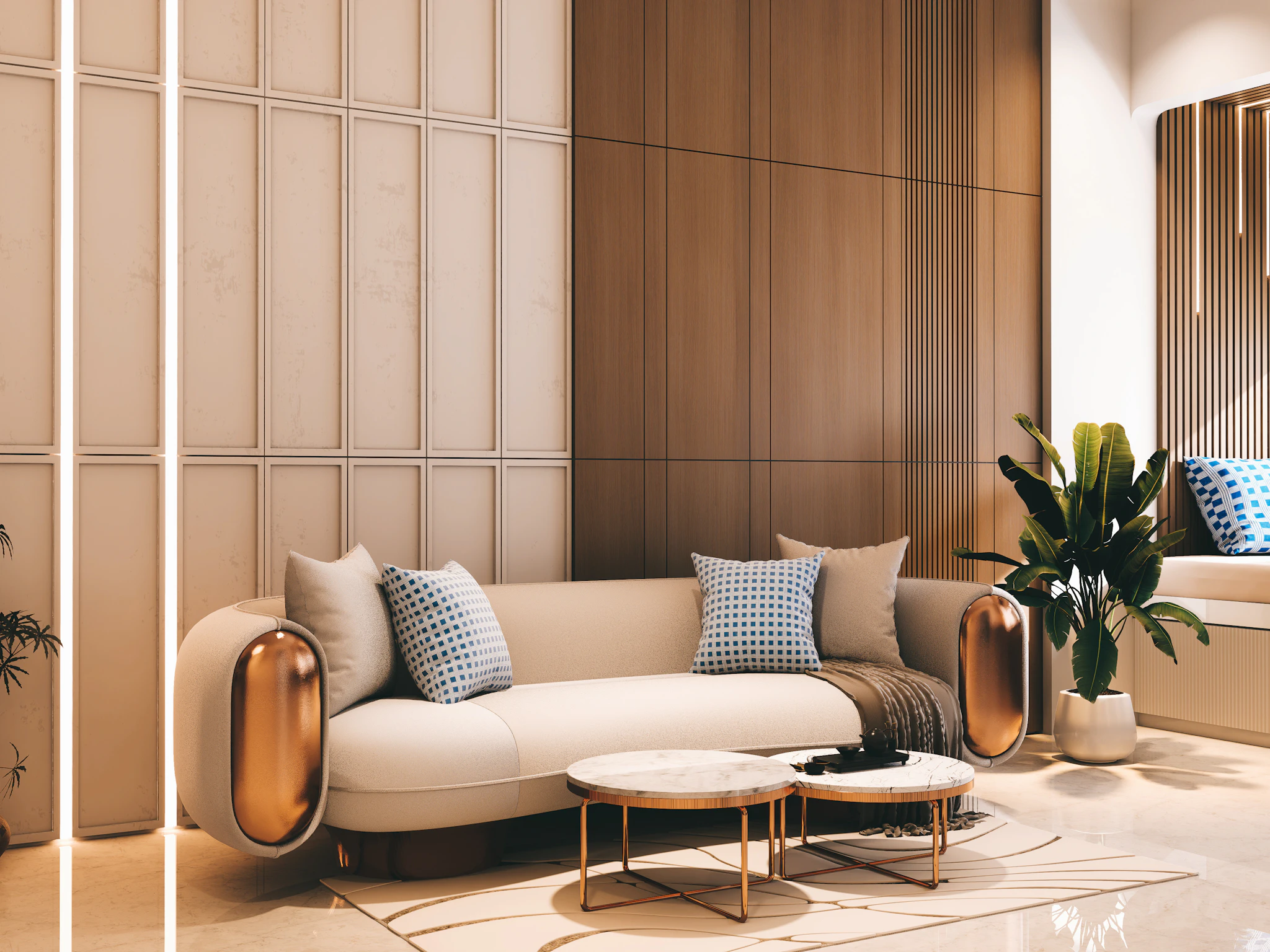
In high-end homes, warm light (2,700–3,000 K) prevails in living and resting spaces — it is cozy and enhances wood and earthy tones. Neutral light is reserved for functional areas. Avoid cool light, which gives a hospital or office look.
CRI: so colors look as they really are
The CRI (Color Rendering Index), or IRC in Portuguese, measures how faithfully light reveals the true colors of objects, on a scale up to 100. In high-end homes, look for bulbs with a CRI above 90. With a low CRI, wood looks dull, stone loses its veining and the food at dinner looks strange. It is a technical detail that makes an enormous difference in how finishes are perceived.
Indirect lighting: the luxury trick
Indirect lighting — light that does not come directly from a visible bulb but is bounced off ceilings and walls — is the signature of high-end design. It comes from:
- Plaster coves with LED strips.
- Illuminated curtain pelmets.
- Niches and shelves with built-in lighting.
- Baseboards and steps with guide lighting.
It creates depth, softens the room and eliminates the "flat" feel of a single central light. It is sophisticated precisely because it is discreet: you see the effect, not the source.
Dimming and scenes: light that adapts
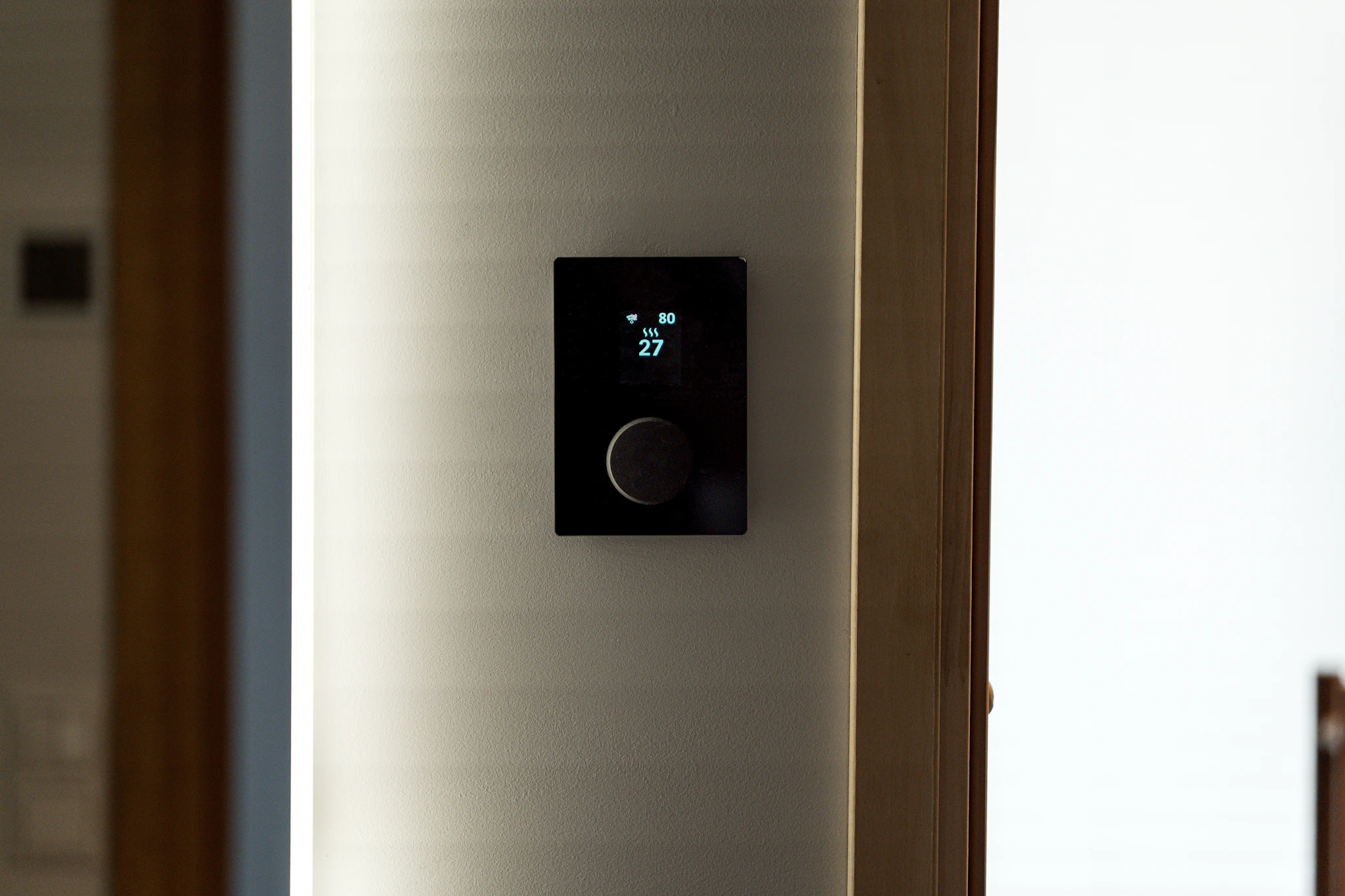
Being able to dim (control the intensity) changes everything: the same living room gets full light for entertaining and low, warm light for relaxing. Integrated with home automation, lighting gains programmed scenes ("dinner," "movie," "reading," "sleep") triggered by app, voice or wall panel. It is one of the automation features with the greatest impact and the best cost-benefit.
Natural light: the starting point
Before artificial light, a good design makes the most of natural light — the protagonist of comfort and well-being, and free. Large openings, light colors that reflect light and curtains that control (without blocking) the sunlight. At night, artificial light takes over; by day, it complements. This relationship with natural light connects to biophilic design and to the light color palette.
Light fixtures as design pieces
Pendants, sconces and floor lamps are, beyond light sources, decorative objects. A sculptural pendant over the island or the table, sconces framing the bed, a contemporary chandelier in a double-height space — these are focal points. The finishes echo the trend of matte metals: graphite, matte gold, matte black.
Common lighting mistakes
- A single central light per room — flat and soulless.
- Cool light in living areas — uncomfortable and dated.
- Low CRI — fine finishes look cheap.
- Forgetting dimming — all flexibility of atmosphere is lost.
- Leaving the infrastructure for later — lighting points and circuits are expensive to add after construction.
- Too many spotlights pointed at the floor, with no layers or accents.
Questions people also ask
What is dimming and why does it matter?
Dimming means being able to control the intensity of light, from full brightness to a cozy half-light. It matters because the same room serves different purposes throughout the day — strong light for entertaining, low and warm light for relaxing — without changing fixtures. Integrated with automation, dimming allows programmed scenes and is one of the lighting features with the greatest impact and the best cost-benefit.
LED strip or spotlight: when to use each?
The LED strip is the basis of indirect lighting — it goes in coves, niches, curtain pelmets and baseboards, creating diffuse light and atmosphere. The spotlight is a more directed light, used for distributed general lighting or to highlight a painting, a panel or a countertop. A good design combines both: the strip for the soft, enveloping effect, the spotlight for function and pinpoint accent.
What is a lighting cove?
A cove is a dropped section or plaster molding in the ceiling that houses an LED strip, casting indirect light against the ceiling or the wall. It is one of the most used tricks in high-end homes because it softens the room, creates depth and hides the light source — you see the effect, not the bulb. It can be open (light pointing up) or closed (light pointing down), depending on the desired effect.
How much does a lighting design cost?
The cost of a lighting design varies with the size of the property and its complexity, and it is usually charged per room or as part of the interior design project. Add to that the cost of fixtures, strips, drivers and installation, which weighs more than the design itself. Despite the investment, it is one of the items that most transform and add value to a home — and that prevent costly mistakes that would have to be redone later.
Frequently asked questions
What makes lighting look luxurious?
The combination of three layers of light (general, functional and accent), warm light in living areas, high CRI, indirect lighting (coves and LED strips) and dimming with scenes. The secret is to see the effect, not the sources — discreet, well-distributed light.
What is the ideal color temperature for a home?
In living and private areas (living rooms, bedrooms), warm light of 2,700 to 3,000 K, which is welcoming. In functional areas (kitchen, walk-in closet, home office), neutral light of 3,500 to 4,000 K. Cool light above 5,000 K rarely suits a high-end home.
What is CRI in lighting?
CRI (Color Rendering Index) measures how faithfully light reveals true colors, on a scale up to 100. In high-end homes, look for above 90 — with a low CRI, wood, stone and fabrics lose their real beauty.
Is a professional lighting design worth it?
Yes. Lighting is one of the details that most transform and add value to a home, and a professional design correctly defines layers, points, temperatures and infrastructure — avoiding the mistakes that date or cheapen expensive spaces. The investment pays off in comfort and appreciation.
Looking for a home worthy of a good lighting design? At Antológica you can discover high-end developments in Curitiba with quality infrastructure and finishes. Talk to Antológica or see how we work.
Download for free the High-End Home Buyer's Guide to Curitiba: neighborhoods, costs, paperwork and the checklist of what to assess before buying.
Content produced by Pedro Carvalho and Fernando Moreno, partners at Antológica and specialists in Curitiba's high-end real estate market.