Finishes, architecture and design
Residential home theater: the complete project guide
High-end residential home theater: acoustics, projector vs. TV, Dolby Atmos, automation and layout. How to design a cinema room at home.
By Pedro Carvalho
Quick answer: a true residential home theater is built on three pillars — acoustics (treatment and soundproofing of the room), image (a 4K/laser projector with a dedicated screen or a large-screen TV) and immersive sound (a multichannel system, ideally Dolby Atmos with ceiling speakers). Add to that controllable scenic lighting, one-touch automation and well-sized seating and layout. Well designed, it becomes the heart of leisure in the home — and a real value-adding feature in the high-end segment.
The cinema room is no longer a big TV on the living room wall. In the high-end segment, the residential home theater is a room designed to deliver a cinema experience — image, sound and comfort — at home. But the result depends far more on engineering than on expensive equipment. Here is how to design a room that truly works, within the world of high-end finishes.
Home theater vs. dedicated cinema room
There are two paths, and understanding the difference avoids frustration:
- Integrated home theater: the sound and image system is in a room that also serves as a living room or multipurpose space. More versatile, it coexists with daylight and with social life.
- Dedicated cinema room: an enclosed, exclusive room with acoustic treatment, full light control and seats facing the screen. It is the experience closest to a movie theater — and the coveted item of the high-end segment.
The choice depends on the space available and on how the family uses the room. With generous square footage, a dedicated room pays off.
Acoustics: the heart of the project
Most of the result comes from the acoustics, not the equipment. A room with echo and sound leakage ruins even the best system. The acoustic design has two fronts:
- Interior acoustic treatment: controlling reflections and reverberation with absorbing panels, diffusers and the right materials on the ceiling, walls and floor (carpet, heavy curtains, upholstery). The goal is clean, well-defined sound.
- Soundproofing: preventing sound from getting out (disturbing the rest of the house or the neighbors) and outside noise from getting in. This requires insulated walls and doors, sealing and, sometimes, double walls.
In an apartment, soundproofing is even more important because of living alongside the neighbors in the building. It is worth hiring an acoustics specialist for the project.
Image: projector or TV?
Both work; the choice depends on the size of the room and on light control:
| Solution | When it makes sense |
|---|---|
| 4K projector + screen | Dedicated, darkened rooms; delivers the largest image and the feeling of a movie theater |
| Large-screen TV (OLED/laser) | Integrated rooms with daylight; more brightness and convenience |
For a dedicated room, a projector with a good-quality screen is the cinema standard. Consider 4K resolution (or higher), brightness suited to the room and a screen sized for the distance from the seats. A dark room, with walls in neutral and dark tones, improves contrast.
Sound: the multichannel system
Audio is half the experience. Formats have evolved from stereo to immersive sound:
- 5.1 / 7.1: front, center and surround speakers plus a subwoofer — the basics done well.
- Dolby Atmos / DTS:X: adds speakers in the ceiling, creating three-dimensional sound (the airplane passes "overhead"). It is today's standard in the high-end segment.
The setup includes a compatible receiver/power processor, speakers calibrated to the room and a subwoofer for the bass. Professional calibration adjusts the sound to the room's actual acoustics — a step that makes an enormous difference.
Lighting and automation
Scenic lighting transforms the room: indirect light, dimmable LED strips, floor-level marker lights and the ability to go completely dark. No strong, direct light. The principles are in luxury lighting design.
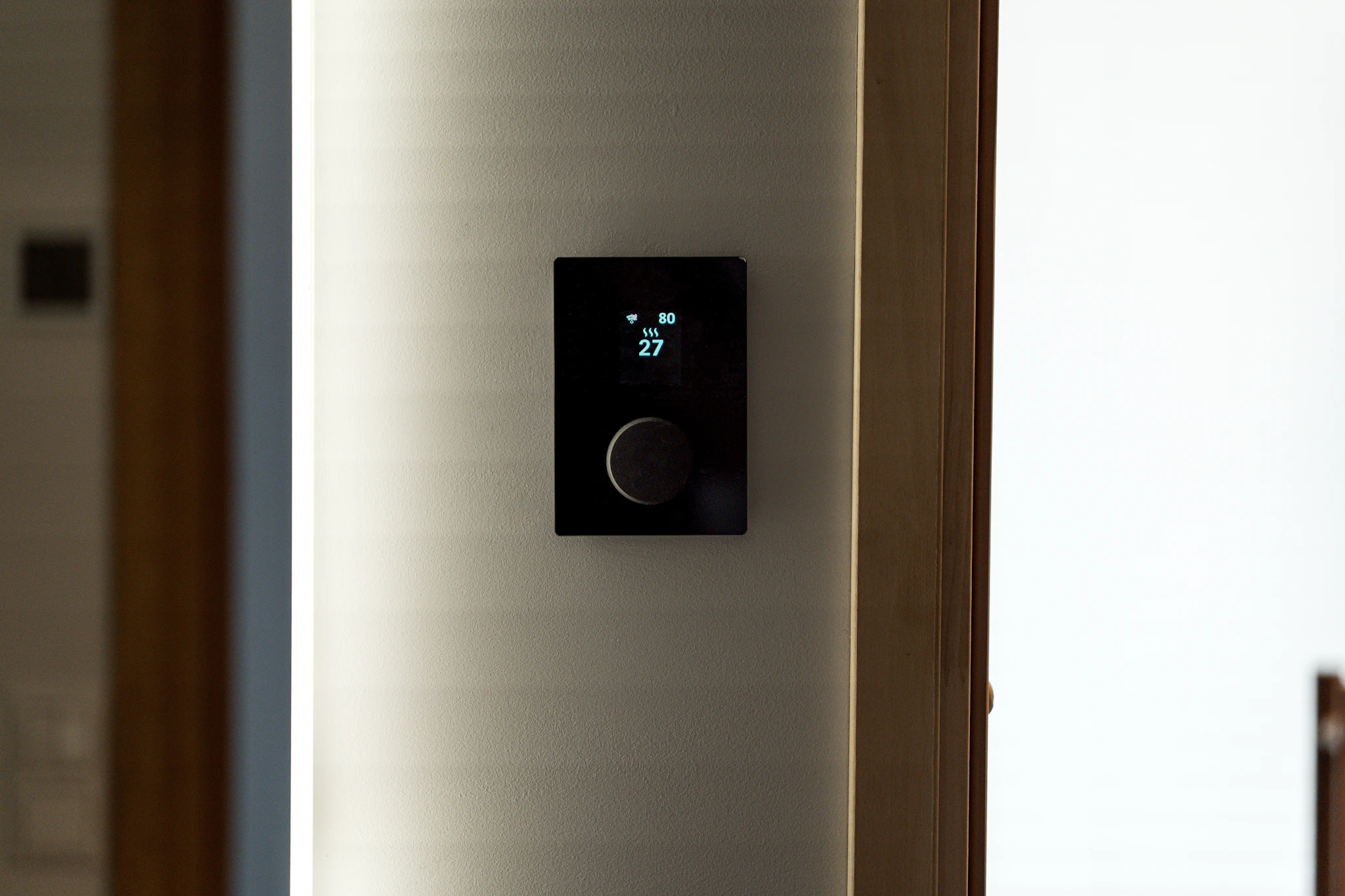
Automation ties everything together: a single touch ("cinema scene") turns off the lights, closes the curtains/blackout shades, turns on the projector and the sound and lowers the screen. Integrating the home theater into the house's system is part of home automation and elevates the experience of using it.
Seating, layout and sizing
Comfort completes the experience. Consider:
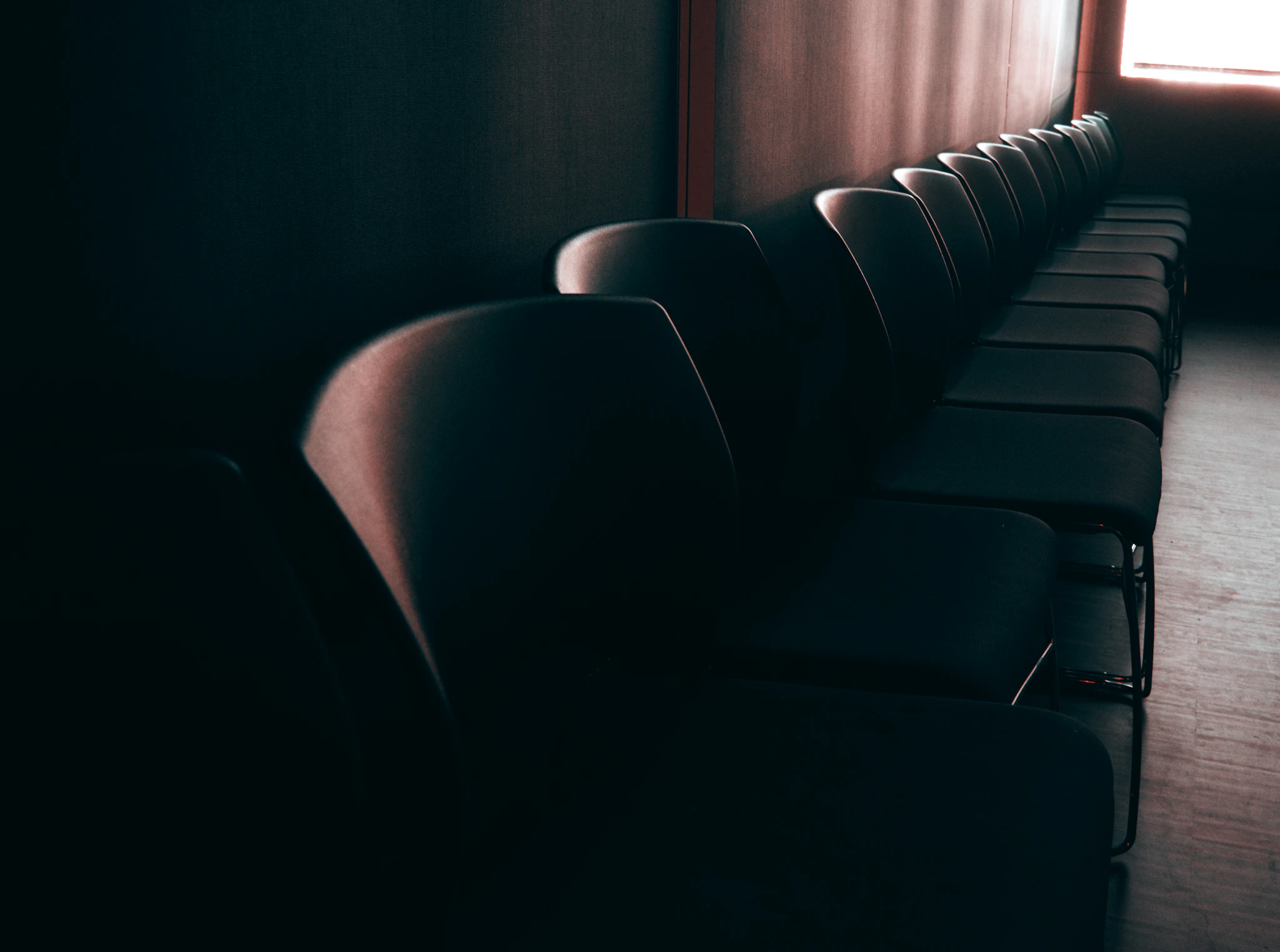
- Reclining cinema seats, often on stepped levels (risers) so everyone has a good view.
- The right distance between the seats and the screen (neither too close nor too far).
- Speaker placement according to the chosen sound format.
- Furniture acoustics — upholstery and fabrics help absorb sound.
A well-sized space comfortably accommodates the family and guests, without compromising image and sound quality.
Is it worth it? Cost and added value
The investment varies widely depending on equipment and treatment, but the logic is clear: a well-designed, integrated home theater adds real value to a high-end property, because it delivers an experience that is hard to replicate and highly desired. It is also a leisure space that brings the family together at home. As with any standout feature, the return depends on the quality of the project — a poorly soundproofed, poorly calibrated room adds no value; a well-executed one does.
Common mistakes in residential home theaters
- Spending on equipment and forgetting the acoustics — good sound depends on the room, not just the speakers.
- Ignoring soundproofing — disturbing the rest of the house (or the neighbors) makes the room unusable.
- Not controlling the light — stray light destroys image contrast.
- Getting the screen size and the distance from the seats wrong.
- Skipping professional calibration of sound and image.
- Not integrating with automation — losing the convenience of one-touch use.
Questions people also ask
What is the ideal room size for a home theater?
There is no single measurement, but a comfortable dedicated room usually starts at around 12 to 15 m², enough space for the screen, the correct placement of the speakers and seats at a good distance. More than the square footage, what counts is the room's proportions and acoustic treatment. Very narrow rooms or rooms with low ceilings make sound and image harder.
What is Dolby Atmos and why has it become standard in the high-end segment?
Dolby Atmos is the three-dimensional sound technology that adds ceiling speakers, making the audio move around and above the viewer. It has become standard in high-end home theaters because it delivers far greater immersion than traditional 5.1 or 7.1. It requires a compatible receiver and extra speakers that are well placed and calibrated.
How much does it cost to set up a residential home theater?
The investment varies considerably depending on the equipment and the acoustic treatment, ranging from an entry-level setup to sophisticated projects with high price tags. The most common mistake is spending on the devices and skimping on acoustics and calibration, which are what define the result. A good project protects the amount invested and adds to resale value.
Dedicated cinema room or integrated with the living room: which to choose?
A dedicated, darkened room delivers the best image and the best sound, ideal for those who take the experience seriously. The version integrated with the living room is more versatile day to day, at the cost of image quality because of ambient light. The choice depends on the square footage available and on how the family uses the room.
Frequently asked questions
What do you need to set up a residential home theater?
Basically: acoustic treatment and soundproofing of the room, an image system (a 4K projector with a screen or a large-screen TV), multichannel sound (ideally Dolby Atmos), controllable scenic lighting, automation and well-positioned seating. Acoustics is the item that most influences the result.
Projector or TV: which is better for a cinema room at home?
For a dedicated, darkened room, a 4K projector with a screen delivers the largest image and the feeling of a movie theater. For integrated rooms with natural light, a large-screen TV (OLED or laser) offers more brightness and convenience.
Does a home theater add value to the property?
Yes, when it is well designed and integrated. It is a highly desired leisure feature in the high-end segment. The return depends on the quality of the project — a well-soundproofed, calibrated and automated room adds value; an improvised one, very little.
Do I need acoustic treatment even in an apartment?
Yes, and soundproofing is even more important in an apartment, because you share the building with neighbors. Interior treatment improves the sound; soundproofing keeps it from disturbing others (or being disturbed) and is essential for using the room at any hour.
Want a property with room for the cinema room of your dreams? At Antológica you will find high-end developments in Curitiba with floor plans to match. Talk to Antológica or see how we work.
Download for free the Buyer's Guide to High-End Property in Curitiba: neighborhoods, costs, paperwork and a checklist of what to evaluate before you buy.
Content produced by Pedro Carvalho, partner at Antológica and a specialist in Curitiba's high-end real estate market.