Finishes, architecture and design
Sustainable luxury property: certifications and efficiency
Sustainability in the high-end segment: LEED and AQUA certifications, solar power, water reuse and efficiency. Why sustainable luxury property appreciates more.
By Pedro Carvalho and Fernando Moreno
Quick answer: a sustainable luxury property combines energy efficiency (solar power, insulation, quality window frames), water management (reuse, rainwater harvesting, solar water heating), healthy, low-impact materials and automation technology at the service of savings. The main certifications in Brazil are LEED, AQUA-HQE, EDGE and the Casa Azul Caixa seal. More than a trend, sustainability has become a criterion of value: it lowers recurring costs, improves comfort and tends to better sustain the resale price.
Sustainability is no longer just talk; it has become a luxury attribute. In the high-end segment, the sophisticated buyer values properties that combine comfort, savings and environmental responsibility — and that cost less to maintain. Understanding what makes a property truly sustainable helps separate substance from "greenwashing". Here are the pillars, within the world of high-end finishes and trends.
Why sustainability became luxury
Three forces explain the movement:
- Recurring savings: energy and water are heavy costs in large properties. Efficiency lowers the bill permanently.
- Comfort and health: good insulation, natural ventilation and healthy materials improve everyday life.
- Value and liquidity: the high-end buyer, increasingly conscious, prioritizes sustainable properties — which protects resale value. It is part of the math for anyone thinking about investing in luxury real estate.
Today, sustainability is synonymous with a smarter, more valuable property — not with giving up comfort.
The main sustainability certifications
Certifications are the independent attestation that a property meets real criteria. The most relevant in Brazil:
| Certification | Origin / focus |
|---|---|
| LEED | American (USGBC); a global benchmark in sustainable construction |
| AQUA-HQE | Brazilian adaptation of the French HQE; widespread in the country |
| EDGE | Created by the IFC (World Bank); focuses on energy, water and materials efficiency |
| Casa Azul Caixa | Brazilian seal from Caixa for sustainable developments |
| Procel Edifica | Energy efficiency label for buildings |
A certified development has undergone a technical assessment — a concrete differentiator compared with vague marketing promises.
Energy efficiency
The biggest gain usually lies in energy:
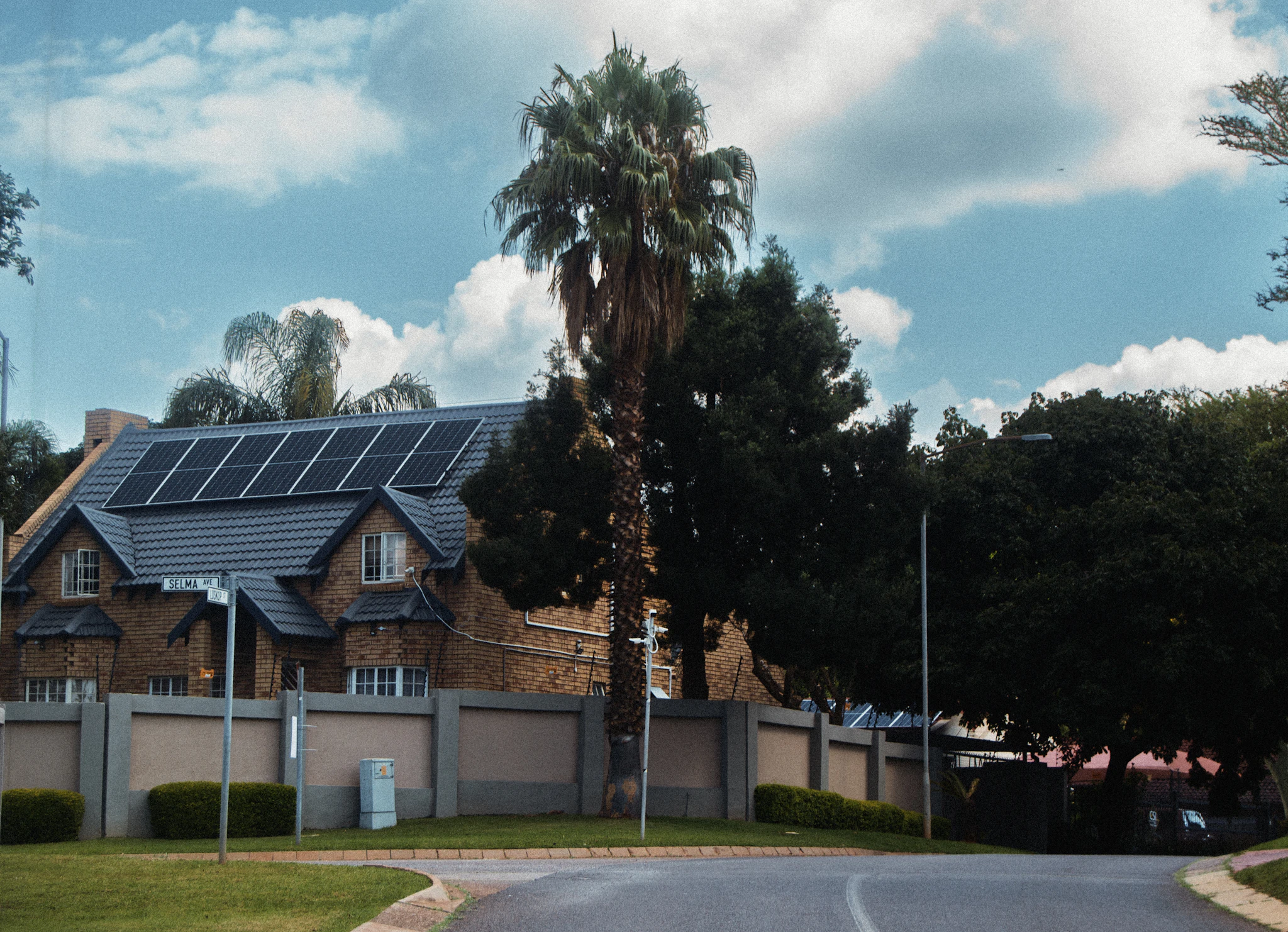
- Solar photovoltaic power: panels that generate electricity and reduce (or eliminate) the electricity bill. One of the items with the highest return.
- Thermal insulation: walls, roof and window frames that hold the temperature, reducing air conditioning and heating — relevant in Curitiba's cold climate.
- Quality window frames and glass: double/insulated glass and good sealing cut heat loss and noise.
- LED lighting and efficient appliances (A label).
- Passive design: making use of natural light and ventilation reduces the need for energy from the floor plan onward.
Water management
The second major pillar:
- Rainwater harvesting and reuse for the garden, cleaning and toilet flushing.
- Graywater reuse (from showers and sinks) after treatment.
- Solar water heating — a classic saving with a good return.
- Water-saving fixtures and fittings (aerators, dual flush).
- Efficient landscaping, with species adapted to the climate that need less irrigation.
Healthy, low-impact materials
Sustainability is also about what you breathe inside your home:
- Low-emission materials (low VOC) — paints, varnishes and adhesives that release fewer compounds into the air.
- Certified-origin wood (responsible forest management).
- Local, durable materials, which reduce transport and replacement.
- Good ventilation and natural light, which improve indoor air quality and well-being — connecting to biophilic design.
Automation at the service of efficiency
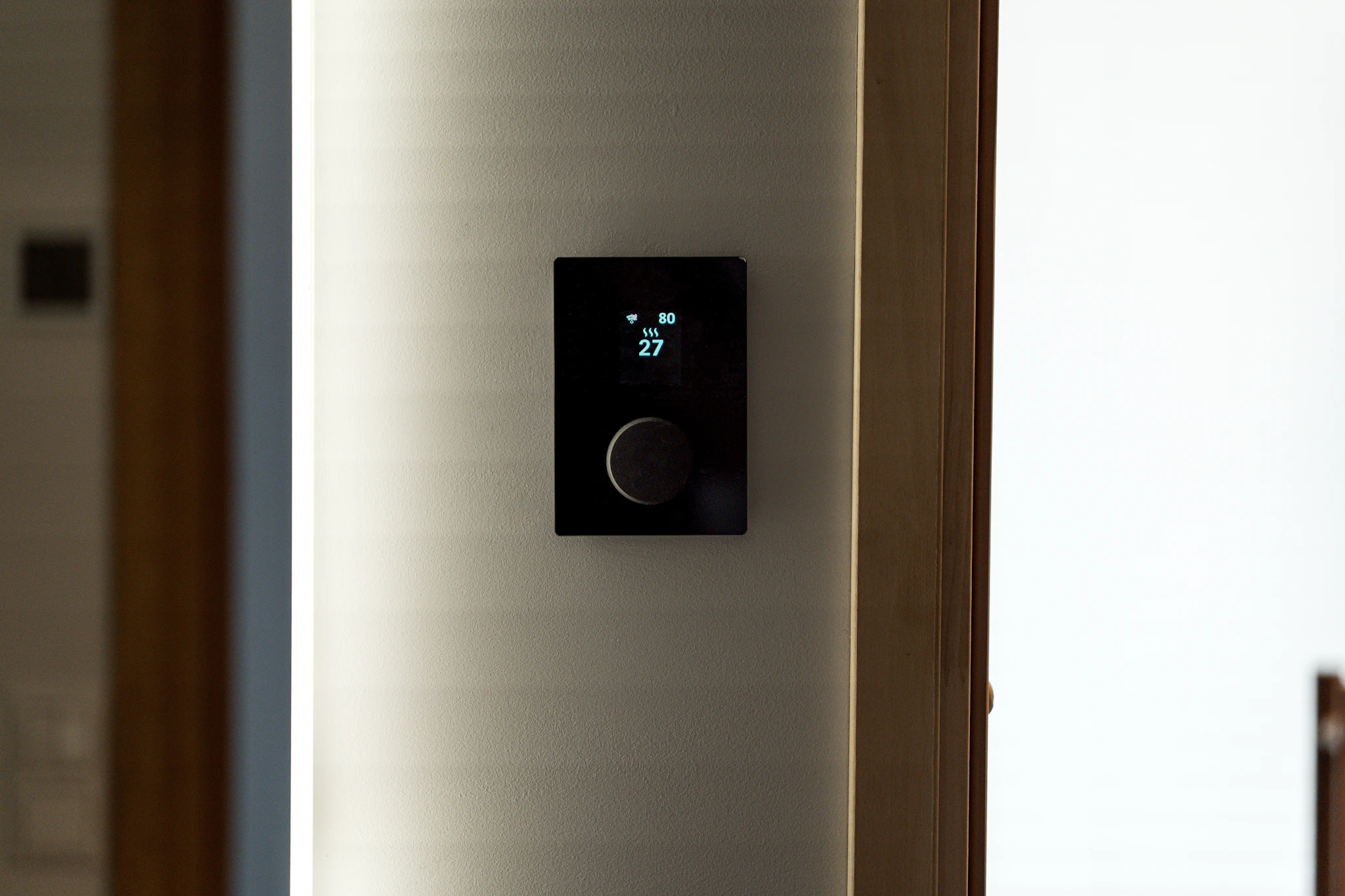
Technology amplifies sustainability. Home automation makes it possible to monitor and optimize consumption: switching off idle loads, scheduling climate control and lighting by occupancy, tracking solar generation and water use in real time. Efficiency no longer depends on the resident's discipline and becomes automatic.
Sustainability and appreciation
A sustainable luxury property pays for itself in two ways: monthly savings (energy and water) and asset value. As the topic becomes established, inefficient properties tend to fall behind, while sustainable ones better sustain their price and liquidity. It is an investment that pays back in use and on resale — a topic that ties in with investing in luxury real estate in Curitiba.
Beware of greenwashing
Not every property labeled "green" in the brochure is, in fact, sustainable. To avoid falling for empty promises:
- Ask for the certifications (LEED, AQUA, EDGE, Casa Azul) — an independent attestation is worth more than adjectives.
- Check the actual systems — is there solar generation? Water reuse? What insulation?
- Evaluate proven efficiency (labels, utility bills).
- Be wary of "sustainable" without data — tree shade on the facade is not sustainability.
Questions people also ask
What is greenwashing in the real estate market?
Greenwashing is when a development presents itself as "sustainable" only in its marketing, without real systems that prove its efficiency. To avoid falling for it, ask for the certifications (LEED, AQUA, EDGE, Casa Azul) and check whether there really is solar generation, water reuse and good insulation. Adjectives in the brochure are worth less than consumption data and independent attestations.
How does water reuse work in a high-end house?
The system collects rainwater and, in more complete projects, treats graywater from showers and sinks so it can be reused for the garden, cleaning and toilet flushing. This reduces the consumption of drinking water and the monthly bill, with a good return in large properties. It requires a specific plumbing design, with reservoirs and, in the case of graywater, proper treatment.
What are low-emission (low VOC) materials?
They are paints, varnishes and adhesives that release fewer volatile organic compounds into the air, improving indoor air quality and residents' well-being. They are part of the concept of a healthy home, alongside good ventilation and natural light. They are increasingly valued in the high-end segment because they combine sophistication and health.
Is building a sustainable property more expensive?
The upfront cost may be slightly higher because of systems such as solar power, water reuse and quality insulation, but they pay for themselves over time through energy and water savings. Beyond the monthly return, a sustainable property tends to better preserve its value and liquidity on resale. When planned from the design stage, this extra cost is diluted and more efficient than later retrofits.
Frequently asked questions
What makes a property sustainable?
Energy efficiency (solar power, insulation, quality window frames), water management (reuse, rainwater harvesting, solar water heating), healthy, low-impact materials and automation that optimizes consumption. Certifications such as LEED, AQUA-HQE and EDGE independently attest to these criteria.
What are the main sustainable construction certifications in Brazil?
The most relevant are LEED (American), AQUA-HQE (the Brazilian adaptation of the French HQE), EDGE (from the IFC/World Bank), the Casa Azul Caixa seal and the Procel Edifica energy efficiency label.
Does a sustainable property appreciate more?
It tends to appreciate and to have better liquidity. Besides the recurring savings on energy and water, high-end buyers increasingly value sustainability, which protects the resale price compared with inefficient properties.
Is solar power worth it in a high-end property?
It usually is, as it is one of the items with the highest return: it reduces or eliminates the electricity bill, which is high in large properties, and adds value to the property. The return depends on consumption and on the sizing of the system. (2025 conditions; may vary.)
Looking for an efficient, sustainable property in Curitiba? At Antológica you will find high-end developments aligned with the new demands for comfort and savings. Talk to Antológica or see how we work.
Download the free Curitiba High-End Property Buyer's Guide: neighborhoods, costs, paperwork and the checklist of what to evaluate before buying.
Content produced by Pedro Carvalho and Fernando Moreno, partners at Antológica and specialists in Curitiba's high-end real estate market.